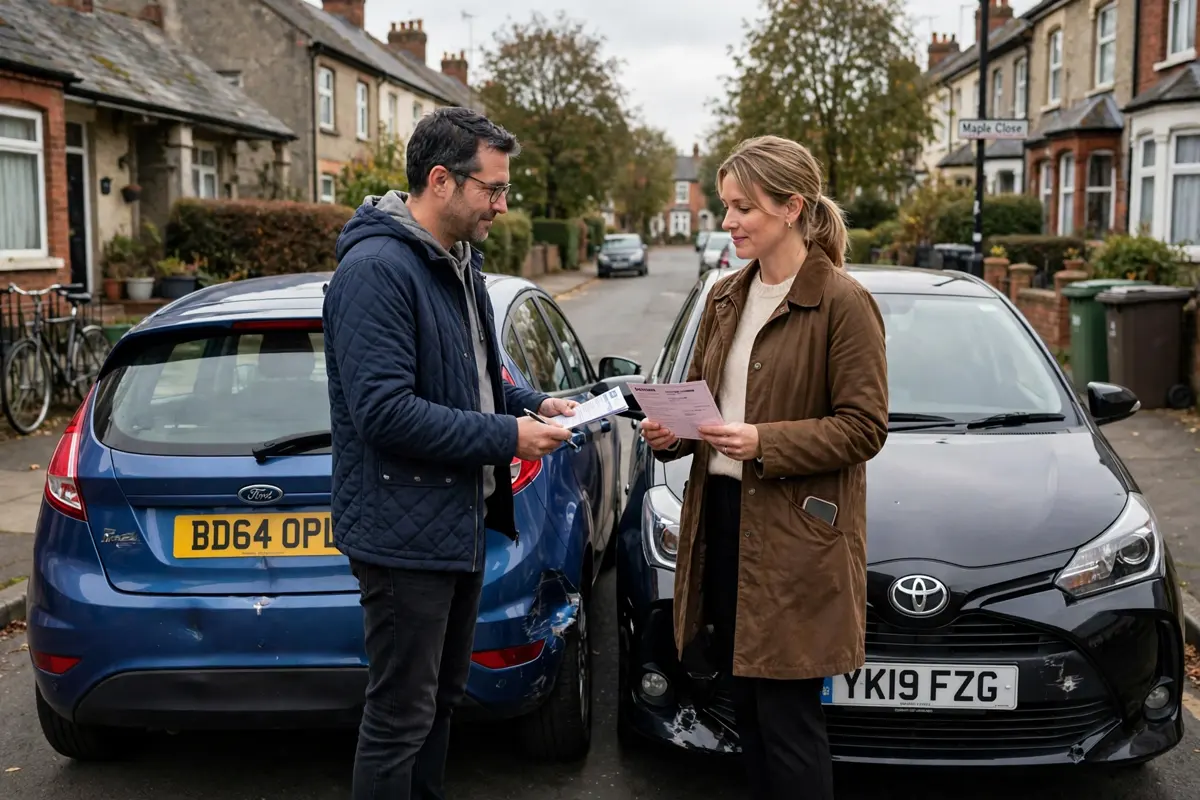


Even a small bump can leave you shaken and unsure what happens next. Knowing what to do after a car accident — in the right order — protects you legally, keeps your insurance claim straightforward and prevents a minor incident from becoming an expensive argument. UK law sets out clear duties for drivers involved in a collision, and insurers expect specific information. This step-by-step guide explains exactly what to do after a car accident in the UK, from the first minute at the roadside to getting your car repaired.
Step One: Stop, Secure the Scene and Check for Injuries
By law, you must stop if anyone is injured, another vehicle or property is damaged, or an animal is hurt. Switch off your engine, turn on your hazard lights and, if it is safe, place a warning triangle at least 45 metres behind your car on slower roads (never on a motorway). Check yourself, your passengers and anyone else involved. If anyone is injured, call 999 for an ambulance and the police. Even when nobody appears hurt, stay calm and polite — raised voices help no one, and everything you say may be noted by witnesses. Road safety experts agree that the first minutes matter most; our overview of road safety in the UK explains how most minor collisions happen in the first place.
Step Two: Exchange the Right Details
You are legally required to exchange details with everyone involved. Collect:
- Full names and addresses of all drivers (and the vehicle owners, if different)
- Vehicle registration numbers, makes and models
- Insurance company names and policy numbers
- Phone numbers and email addresses
- Names and contact details of any independent witnesses
Never admit liability at the scene, even if you think the accident was your fault — fault is for insurers and, if necessary, the police to determine once all the evidence is in. If the other driver refuses to share details or leaves the scene, note their registration and report it to the police within 24 hours.
Step Three: Record the Evidence
Your phone is your best tool. Photograph the position of the vehicles before they are moved (if safe), the damage to all cars from several angles, number plates, road markings, traffic signs, weather conditions and any skid marks or debris. Note the exact time, location and direction of travel, and write down your account of what happened while it is fresh — memory fades quickly, and a clear timeline strengthens any claim. Dashcam footage is gold: save the file before it is overwritten. This evidence also helps the garage later; a proper auto inspection can uncover hidden damage, but photos of the original impact show where it came from.
Step Four: Report It — Police and Insurer
You must report the accident to the police within 24 hours if anyone is injured, if the other driver leaves without exchanging details, or if you suspect an offence such as drink-driving. Most collisions with only vehicle damage do not need a police report, but you must tell your insurer as soon as reasonably possible — most policies require notification even if you do not intend to claim, and late reporting can invalidate cover. Your insurer will ask for the details and evidence you collected, open a claim if you want one, and advise whether to use their approved repairer or your own garage.
Step Five: Decide Whether to Claim or Pay Yourself
For very minor damage, compare the repair cost against your excess and the likely effect on your no-claims discount and future premiums. Sometimes paying for a small repair yourself works out cheaper over three to five years of premiums — but you must still notify your insurer of the incident. If you do claim, keep every invoice and correspondence. When choosing where to have the work done, our guide to auto repair services explains how reputable garages assess and price accident repairs. If the cost is a stretch, spreading it is increasingly common — see how repair finance is helping drivers manage unexpected bills.
Step Six: Check the Car Is Safe and Legal
After repairs, make sure the car is roadworthy: lights, tyres, steering and brakes all need checking, and structural or airbag work should only ever be done by qualified specialists. If the car was significantly damaged, your insurer may categorise it (for example Category S or N), which must be declared when you sell it. Keep the repair paperwork with your service history. A car approaching its test date will still need to pass as usual — our MOT and service guide covers what testers check, including accident-related items such as lights, bodywork sharp edges and seatbelts.
Common Mistakes to Avoid
The costliest errors happen in the first hour: driving away, failing to get a registration number, admitting fault, or agreeing a cash settlement with a stranger who later claims for injury. Another frequent mistake is delaying medical attention — whiplash and soft-tissue injuries often appear a day or two later, so see your GP or an urgent care centre if you develop pain, and keep the records. Finally, do not post about the accident on social media; insurers do read public posts, and a careless joke can complicate a genuine claim.
What to Keep in Your Car, Just in Case
A little preparation makes a stressful moment manageable. Keep a pen and paper (phones run out of battery), a high-vis vest, a warning triangle, a basic first-aid kit and your insurer’s claims number saved in your phone. Knowing what to do after a car accident turns a bad day into a process: stop, check, exchange, record, report. Follow those five steps and you will protect yourself, your passengers and your wallet — and be back on the road with the minimum of fuss.