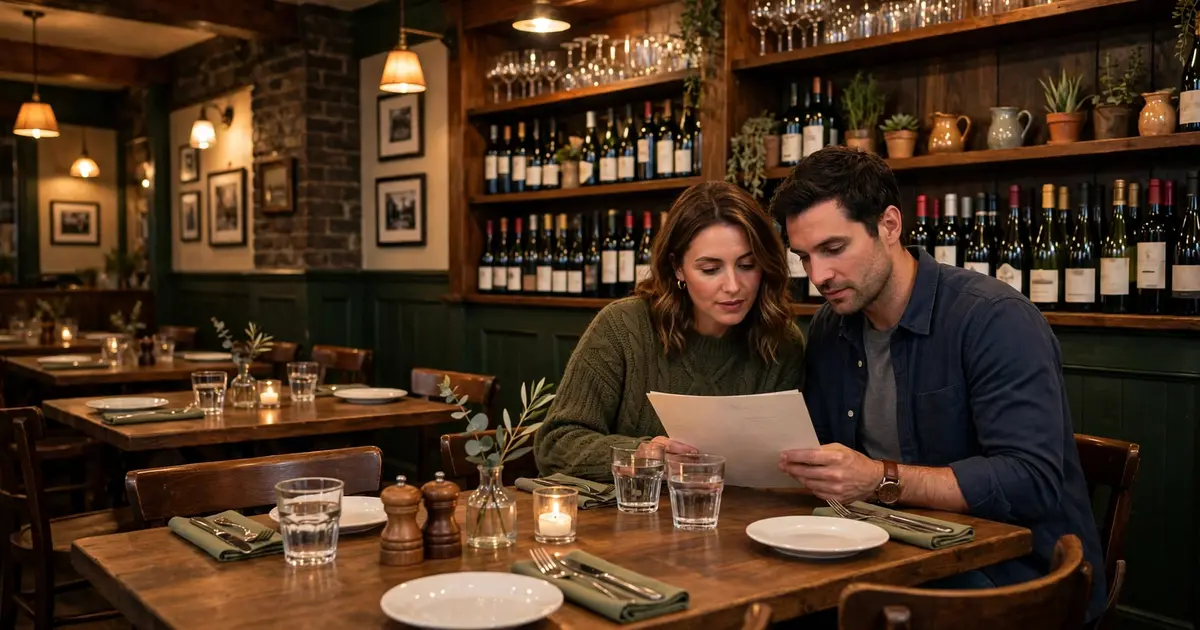


Learning how to choose a restaurant in the UK can turn an ordinary evening into a memorable one, and it starts before you ever look at a menu. The best choice is rarely the place with the flashiest photos or the longest queue. It is the place that fits the occasion, the people at the table, and the kind of food you actually want to eat that night.
With thousands of restaurants across the country, from village pubs to city bistros, a little method goes a long way. This guide walks through the practical steps that help you pick well, avoid common disappointments, and enjoy the meal you booked.
Start With the Occasion, Not the Cuisine
Every good restaurant choice starts with one question: what is this meal for? A quick lunch with a colleague needs something very different from a birthday dinner or a first date. When you know the occasion, the rest of the decision gets much easier.
A family meal with young children calls for space, a forgiving atmosphere, and a menu with simple options. A working lunch needs fast service and a quiet corner where you can talk. A celebration deserves somewhere that feels special, even if the food is simple.
Write down the basics before you search. How many people are coming? Is anyone vegetarian, vegan, or dealing with an allergy? What is a comfortable budget per person? A two-minute note like this stops you from falling for a place that looks lovely but fits none of your needs.
Read the Menu Like a Regular
A menu tells you more about a restaurant than any review can. Look for a short, focused menu rather than one that tries to cover everything. A kitchen that offers 12 dishes usually cooks them better than one offering 60.
Check whether the menu changes with the seasons. Restaurants that update their dishes through the year are usually buying fresh produce and cooking from scratch. A menu that never changes can still be good, but it is worth asking why.
Look at the prices as a whole, not just the main courses. Drinks, desserts, and service charges add up fast. A place that lists its prices clearly online is showing respect for its customers, and that is a good sign before you book.
Use Reviews Wisely
Reviews help, but only if you read them the right way. Ignore the single five-star rave and the single one-star rant. Read the middle of the range, where people describe what actually happened, and look for patterns across many reviews.
If ten people mention slow service on Friday nights, believe them. If several mention the same dish by name, that dish is probably worth ordering. If the complaints are all about one bad evening six months ago, the restaurant may have fixed the problem already.
Pay attention to how the restaurant replies to criticism. A polite, specific reply suggests a team that cares. Silence, or a defensive reply to every complaint, suggests the opposite. The tone of the replies often matches the tone of the dining room.
Check the Practical Details
A great restaurant in the wrong location can still ruin the evening. Check how you will get there and back, especially if you plan to drink. Is there parking nearby? Is the nearest station a short walk or a long one in the rain?
Opening hours matter more than people think. Some popular places close between lunch and dinner, and some only open four days a week. Confirm the hours on the restaurant’s own website rather than trusting a listing that may be out of date.
If anyone in your group has access needs, check the details in advance. Step-free access, an accessible toilet, and space for a wheelchair are not extras. A quick phone call saves an awkward arrival, and a restaurant that answers helpfully is one worth supporting.
Booking ahead is almost always wise. Even casual places fill up on Friday and Saturday nights. If you are planning a stay as well as a meal, our guide to how to choose a family hotel in the UK covers the same practical checks for the overnight part of the trip.
Match the Place to Your Budget Honestly
Price and quality do not always move together. Some of the best meals in the UK cost less than 20 pounds a head, and some expensive meals disappoint. What matters is whether the price matches what you get.
Set your budget before you look at menus, and include drinks and service in the maths. A set lunch menu is often the best value a good restaurant offers, with two or three courses for a fixed price. Midweek evenings are often cheaper and quieter than Saturdays.
Do not be shy about asking what the bill is likely to come to. A good restaurant will answer plainly. If the staff dodge the question, that tells you something too.
Think About the Room, Not Just the Food
Food is only part of a restaurant meal. Noise, lighting, and spacing shape the evening just as much. A room where you have to shout across the table is a bad choice for a catch-up with an old friend, however good the kitchen is.
Photos on the restaurant’s own site usually show the room honestly. Look at the tables: are they crammed together, or is there space to breathe? Look for natural light if you are booking lunch, and warm lighting if you are booking dinner.
Consider the time of your booking as well. The same restaurant can feel calm at 6 pm and crowded at 8 pm. If you prefer a quieter meal, book early. If you like a lively room, book at peak time.
A Real Example: The Birthday That Almost Went Wrong
Sarah from Leeds learned this the hard way. She booked a highly rated restaurant for her father’s 60th birthday, drawn in by glowing reviews and beautiful photos. She did not check the menu for her father’s dietary needs, and she did not notice that the restaurant had no step-free access.
On the night, her father had to be helped up a flight of stairs, and the only dish he could safely eat was a side salad. The food was excellent, but the evening was not. The next year she booked a smaller place with a clear allergy policy, a ground-floor dining room, and a set menu her father could enjoy. It cost less, and everyone still talks about it.
The lesson is simple. A restaurant is not just its food. It is the whole experience, from the door to the bill, and the details you check in advance are the ones that make the night work.
Try Somewhere New, But Keep a Favourite Too
Exploring new places is part of the pleasure of eating out. A new opening in your town, a cuisine you have never tried, or a chef with a fresh idea can all make for a great evening. When you travel, a local restaurant often tells you more about a place than any attraction. Our guide to one-day visit destinations in Thailand makes the same point about travel: the local spots are where the real experience lives.
At the same time, a reliable favourite is worth keeping. The place that knows your name, remembers your usual table, and cooks consistently well is a treasure. Keep a short list of favourites for busy nights, and save the experiments for evenings when you have time to enjoy the surprise.
When you do try somewhere new, go with an open mind and modest expectations. Order the dish the restaurant is known for, ask the staff what they recommend, and judge the place on its own terms rather than against a famous name.
A Good Meal Starts Before You Sit Down
Choosing a restaurant in the UK well comes down to a few honest checks: the occasion, the menu, the reviews, the practical details, and the budget. Do those five things and you will rarely be disappointed.
Start small tonight. Pick one place you have been meaning to try, check the menu and the reviews, and book a table. The best restaurant experiences often begin with a simple decision made well in advance.
For more ideas on planning a good day out, read our guide to morning routine habits that set up a relaxed day, our tips on how to declutter your home before guests arrive, our guide to how to learn a new language for your next trip abroad, and our advice on how to choose the right pet for family life.