

Choosing family hotels in the UK sounds simple until you actually try it. A room that looks spacious in the photos can feel cramped once two children, a travel cot and three suitcases arrive. A hotel that promises to be family friendly can turn out to mean little more than a high chair at breakfast. The difference between a relaxing break and a stressful one usually comes down to a few checks you make before you book, not after you arrive.
This guide walks through those checks in the order that matters. It covers location, room setup, facilities, reviews and arrival, with practical tips you can use for a weekend away or a full week on the road.
Start With Location, Not Price
Price is tempting to sort by first, but location decides how your days actually feel. A cheap hotel twenty minutes from everything means four extra car journeys a day with tired children. A slightly dearer hotel near the beach, the park or the town centre often works out cheaper once you count fuel, parking and tempers.
Look at a map before you look at the tariff. Check how far the hotel sits from the places you plan to visit, and whether you can walk there. A hotel with a safe pavement route to a playground or a shop beats one that needs the car for a pint of milk. If you are driving, check the parking situation too. Some town hotels charge a daily fee that rivals the room rate, while others include a space. A quick check of road safety advice before a long drive is also worth your time, especially if you will be arriving after dark on unfamiliar roads.
One real example shows why this matters. A family from Leeds booked a bargain hotel outside York for a weekend break, then spent most of Saturday in the car because the bus ran once an hour. They moved to a smaller hotel near the city walls the next time, paid a little more per night, and spent the whole weekend on foot. The dearer hotel cost less in the end.
Check the Room Setup Before You Book
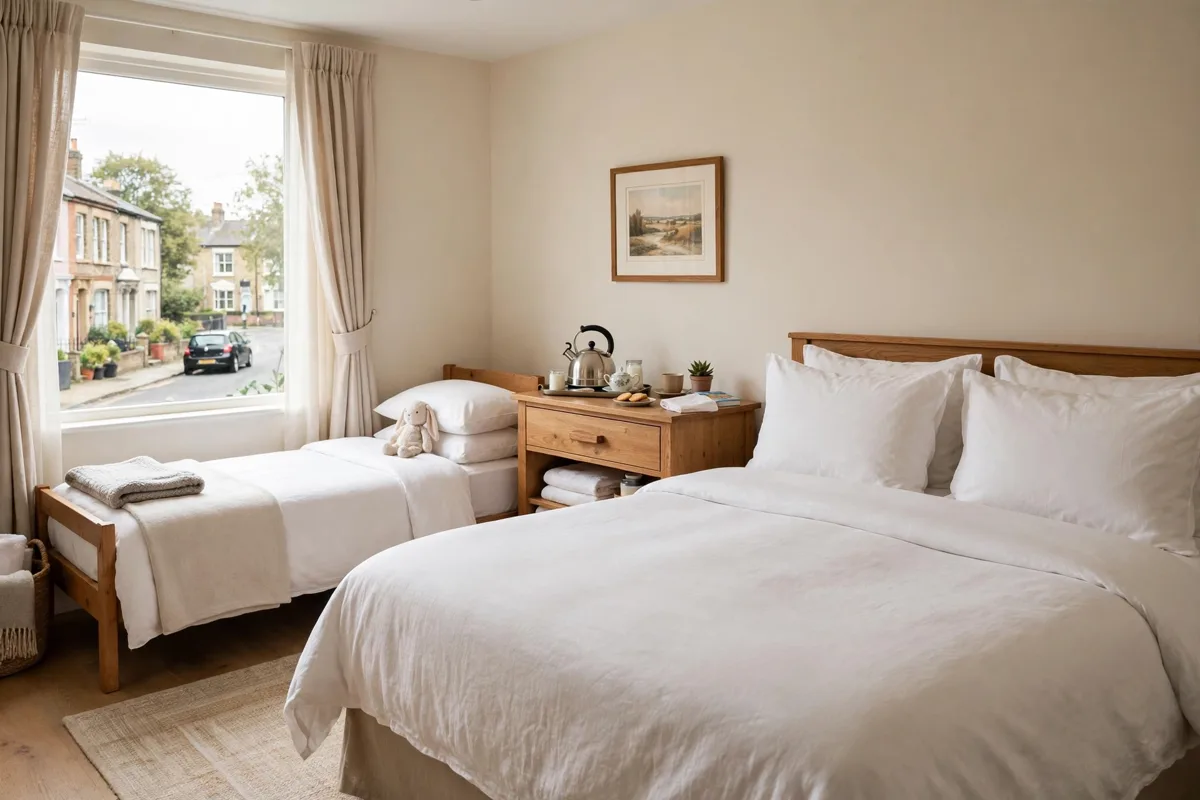
Family rooms come in many shapes. Some are genuinely large rooms with a double bed and two singles. Others are standard doubles with a fold-out bed squeezed beside the wardrobe. The photos rarely show the difference, so read the room description line by line. Look for the actual bed layout, the floor area if it is listed, and whether a cot or extra bed costs more.
Ask about connecting rooms if your children are older. Two standard rooms with an internal door often cost less than one large family suite, and everyone sleeps better. Ask about blackout curtains too. Light mornings wake small children early, and a curtain that actually blocks the light is worth more than a fancy headboard.
Think about the bathroom as well. One bathroom shared by four people means a queue every morning. A room with a separate toilet, or a family room near a second bathroom, saves a surprising amount of arguing. If anyone in the family needs step-free access, confirm it directly with the hotel rather than trusting a booking site filter.
Look for Family Facilities That Actually Help
Many hotels list a long set of facilities that sound useful but add little. A games room with a broken pool table is not a facility. What helps real families is simpler: a pool with family swim times, a restaurant that serves children’s meals early, a lounge where children are welcome in the evening, and staff who are used to families.
Ask whether the restaurant has a children’s menu and what time it serves. A hotel that serves food from five in the evening suits young children far better than one whose kitchen opens at seven. Ask about breakfast times as well. A late breakfast suits teenagers, while an early one suits toddlers, and the answer tells you who the hotel is really set up for.
If you are travelling with a pet, check the pet policy before you fall in love with the hotel. Some hotels welcome dogs in selected rooms, some charge a nightly fee, and some only allow pets in the bar area. Our guide to choosing the right pet for your lifestyle is a useful reminder that a pet changes every travel plan, and the hotel needs to fit the whole family, four-legged members included.
Read Reviews the Right Way
Reviews help, but only if you read them with a filter. Sort for recent reviews from families, and look for the same point made by three different guests. One complaint about noise might be bad luck. Three complaints about thin walls is a pattern. Pay attention to how the hotel replies. A short, polite reply that fixes the problem says more about a hotel than a hundred five-star reviews.
Ignore reviews that complain about things that do not apply to you. A business traveller annoyed by children in the dining room tells you the hotel does welcome families, which is useful information in itself. A family that loved the pool tells you more than a couple that loved the cocktail list.
Ask About Parking and Arrival
Arrival sets the tone for the whole stay. If you are driving a long way, a few checks before you set off save trouble later. Confirm the check-in time and whether an early arrival is possible. Confirm where to park, whether you need a permit, and whether the car park has height limits that would catch a roof box. A flat battery after a long journey ruins the first evening, so it is worth knowing the signs your car battery needs replacing before you load the car.
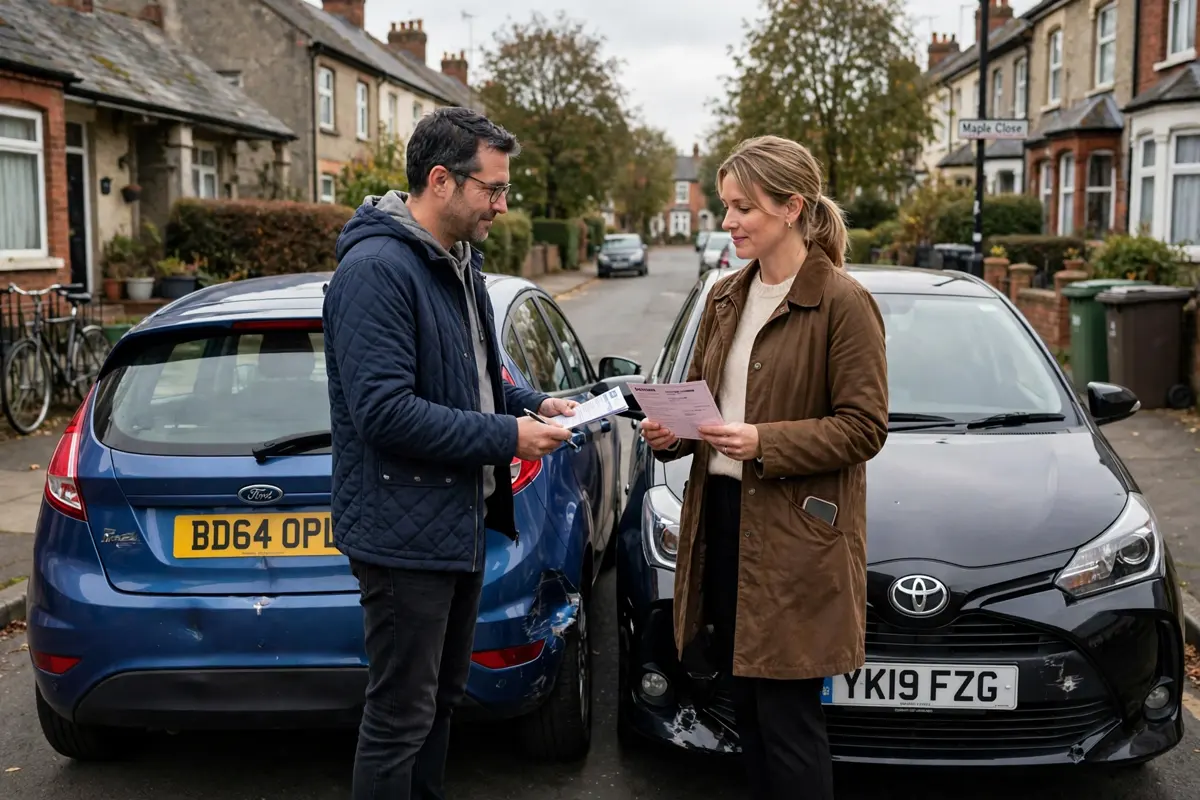
If something goes wrong on the road, it helps to know the basics in advance. Keep the hotel number in your phone, and know what to do after a minor car accident so a small bump does not turn into a ruined weekend. Most journeys pass without incident, but a calm plan beats a panicked search at the roadside.
A Simple Booking Checklist
Before you pay, run through this list. It takes five minutes and catches most problems.
- Location: can you walk to what you need, and is parking included or charged?
- Room: what is the real bed layout, and does a cot or extra bed cost more?
- Food: what time does the restaurant serve, and is there a children’s menu?
- Facilities: is there a pool with family times, and a lounge where children are welcome?
- Reviews: what do recent family reviews repeat, and how does the hotel reply?
- Cancellation: can you cancel free of charge if plans change, and until when?
- Packing: have you packed light? A quick tidy at home before you leave makes packing faster, and our guide to declutter your home room by room has a calm method that works the week before a trip.
Once you have the hotel sorted, plan one or two days out. If your break includes a longer journey, a few ideas for day trips and places to explore can help you build a simple plan that suits the whole family.
Before You Pack the Car
The best family hotel is rarely the grandest one. It is the one where the room fits everyone, the food arrives at the right time, the staff expect children, and the location lets you leave the car parked. Book that hotel, check the small details before you pay, and the break mostly takes care of itself.