

British beauty culture is shaped by a mixture of tradition, practicality, changing fashion, regional identity and international influence. From familiar high-street beauty routines to luxury skincare, professional salon treatments and emerging global trends, beauty in Britain has never followed a single formula.
What makes beauty culture in Britain particularly interesting is its ability to absorb new influences while retaining familiar habits. A British consumer might combine long-established skincare practices with Korean beauty products, use a traditional fragrance alongside modern cosmetics, or move between independent salons and major beauty retailers.
Today, British beauty is also increasingly influenced by social media, wellness, technology and more informed approaches to skincare. Understanding these influences provides a broader picture of how beauty habits are changing across the UK.
What Defines British Beauty Culture?
There is no single definition of British beauty culture. The term covers the everyday routines, products, services, social attitudes and traditions associated with appearance and personal care in Britain.
Historically, British beauty has often combined understated presentation with carefully maintained grooming. However, contemporary consumers have access to a much wider range of styles and products. Individual expression now sits alongside traditional expectations around looking polished and presentable.
Regional differences are also important. Beauty preferences in London may differ from those in smaller towns, while Scotland, Wales, Northern Ireland and different English regions each have their own cultural influences.
How British Beauty Trends Have Changed
British beauty trends have changed considerably over the decades. Makeup styles, hairstyles, skincare routines and attitudes towards cosmetic treatments have all evolved alongside wider social changes.
Traditional makeup focused heavily on established cosmetic categories such as foundation, lipstick, mascara and powder. Modern routines can be considerably more complex, with consumers combining cleansers, serums, moisturisers, sunscreen, masks, treatments and cosmetics.
Social media has accelerated this evolution. Trends that previously took months or years to move between countries can now become popular internationally within a short period.
As a result, British consumers are exposed to beauty influences from South Korea, Japan, the United States, France and many other markets while still maintaining local preferences.
Beauty Habits UK Consumers Have Adopted
Beauty habits UK consumers follow vary according to age, lifestyle, budget and personal preference. Nevertheless, several broad patterns have become increasingly visible.
Skincare has become a more important part of everyday beauty routines. Rather than treating skincare as an occasional activity, many consumers now approach it as a regular part of personal care.
There is also greater awareness of ingredients. Consumers can easily research products online and compare formulations, reviews and recommendations before making a purchase.
Another significant change is the growing acceptance of professional beauty treatments. Facials, nail services, brow treatments, lash appointments and advanced skincare procedures are increasingly integrated into personal routines rather than reserved exclusively for special occasions.
British Cosmetics Culture and the High Street
British cosmetics culture has long been connected with the high street. Large retailers have played an important role in making cosmetics accessible to consumers across the country.
High-street beauty remains significant because it combines convenience with a broad product selection. Consumers can find everyday makeup, skincare, haircare and personal-care products without needing to visit specialist luxury retailers.
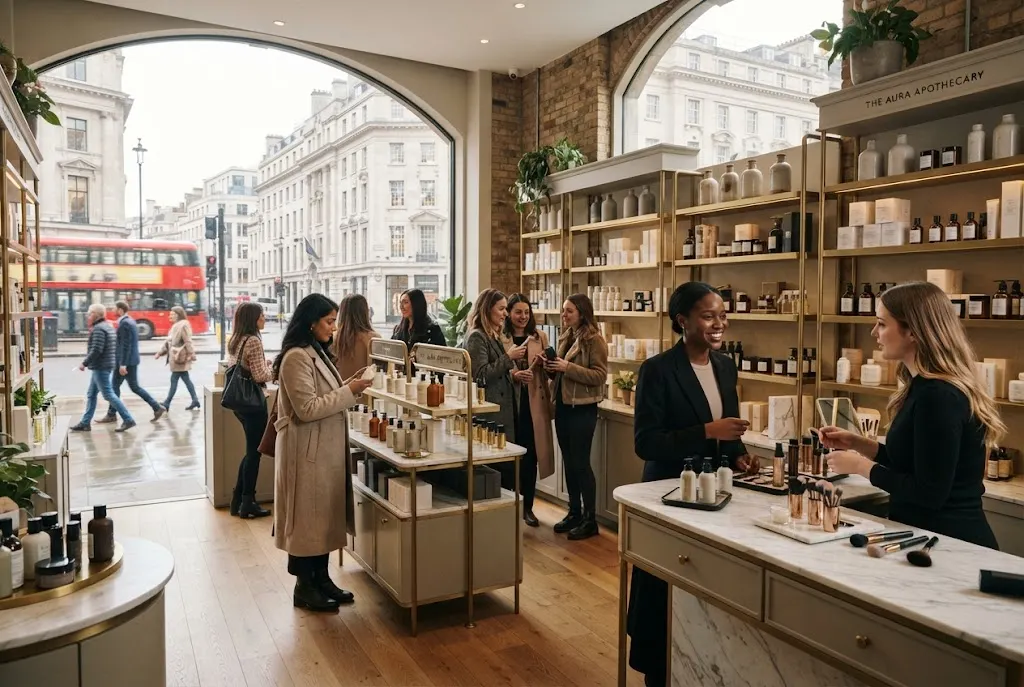
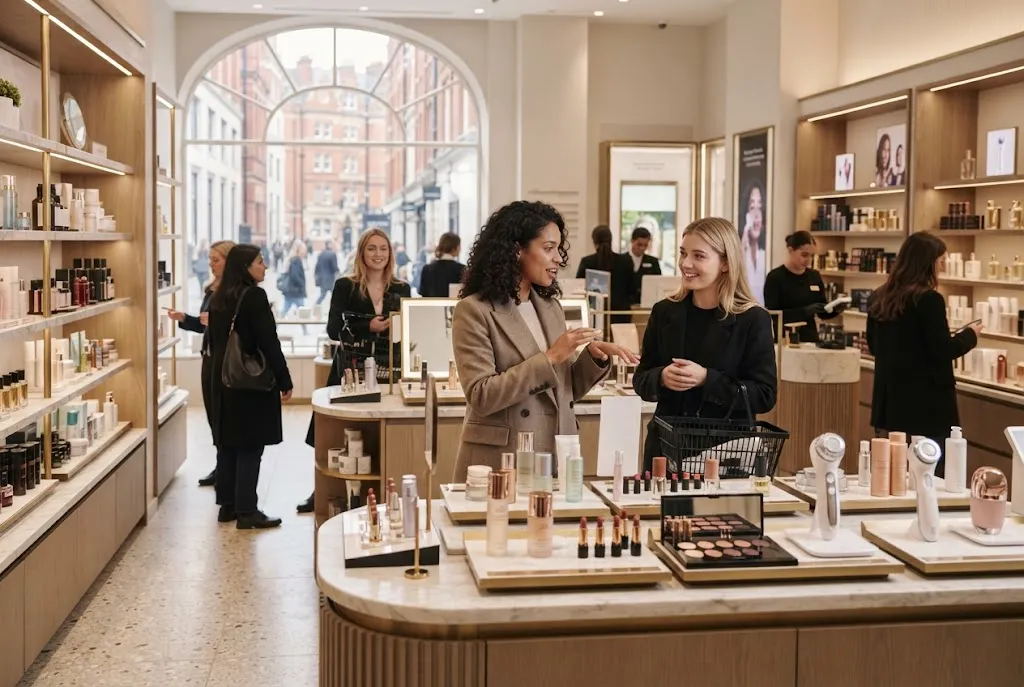
At the same time, the traditional high-street model has evolved. Beauty retailers increasingly use consultations, specialist areas, demonstrations and experiential concepts to encourage product discovery.
This shift means that modern beauty shopping is not simply about purchasing products. Customers may want advice, demonstrations, personalised recommendations and opportunities to discover emerging brands.
British Beauty Traditions Still Influence Modern Routines
British beauty traditions have not disappeared simply because new trends have emerged. Many familiar grooming practices continue to influence modern routines.
Regular hair appointments, classic fragrance, carefully maintained nails and everyday makeup remain part of British personal-care culture. These practices may look different from one generation to another, but the underlying idea of maintaining a personal appearance continues.
Seasonality can also influence beauty routines. British weather, changing daylight and differences between summer and winter can affect skincare, makeup and haircare choices.
For example, colder conditions may encourage consumers to pay more attention to moisturisation, while warmer periods can increase interest in lighter makeup and sun protection.
Beauty in Britain Is Becoming More International
Beauty in Britain is increasingly influenced by international trends. The growth of Korean skincare is a clear example of how products and routines originating outside Britain can become part of the mainstream market.
K-beauty has introduced many British consumers to different approaches to cleansing, hydration, layering and ingredient-focused skincare. Japanese beauty, French pharmacy products and American cosmetics have also influenced UK consumers.
However, international influence does not mean British beauty has lost its identity. Instead, consumers often adapt international products and techniques to fit their own routines and preferences.
This creates a constantly changing beauty culture in which local and global influences coexist.
Regional Beauty Culture Across the UK
Regional beauty culture is an important part of understanding Britain. Beauty businesses and consumers do not all operate within the same cultural environment.
London has a particularly international beauty scene, with specialist retailers, luxury salons, independent studios and a diverse customer base. Our dedicated guide to London beauty explores how the capital’s beauty market reflects this diversity.
Elsewhere, local communities can create their own distinct beauty ecosystems. Independent salons, barbers, skincare specialists and beauty professionals often develop services around the needs of their immediate customers.
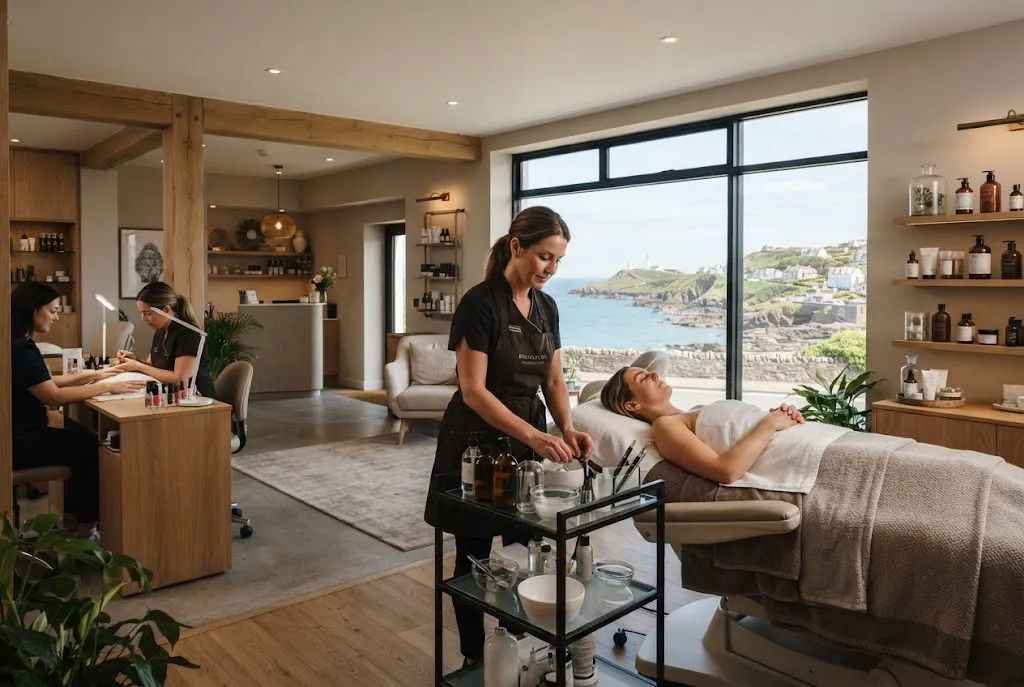
The Isle of Man offers another interesting example. Its beauty sector combines independent businesses, salons, skincare providers and modern treatments within a smaller island market. Our coverage of Isle of Man beauty examines these regional characteristics in greater detail.
The Role of British Beauty Brands
British beauty brands have contributed significantly to the country’s wider beauty identity. The market includes companies operating across skincare, makeup, haircare, fragrance and wellness.
Established British names have traditionally benefited from strong domestic recognition, while newer independent brands increasingly use digital channels to reach consumers.
Social media has made it possible for smaller companies to develop audiences without relying entirely on traditional retail distribution. At the same time, major retailers can give emerging brands access to a much larger customer base.
This creates a more competitive environment in which product quality, brand identity, transparency and customer experience all matter.
Skincare Has Become Central to Modern British Beauty
One of the most noticeable developments in contemporary British beauty is the growing importance of skincare. Consumers increasingly understand that makeup and other cosmetic products are only one part of their overall appearance routine.
Modern skincare culture includes cleansing, hydration, sun protection and targeted products designed around specific concerns. Professional treatments have also become more visible, creating greater interest in facials, advanced skincare and aesthetic services.
However, more products do not necessarily mean a better routine. Consumers can benefit from keeping their approach appropriate to their individual needs rather than continually adding new products because they are fashionable.
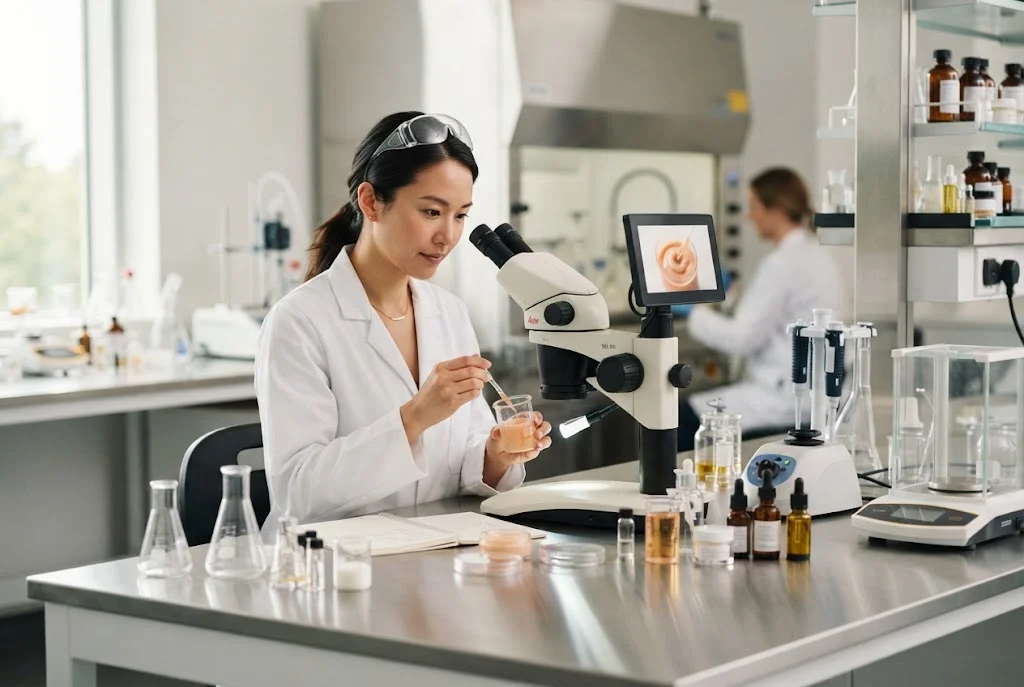
For readers interested in the evidence behind skincare ingredients and cosmetic claims, our beauty research coverage examines research, cosmetic science, clinical evidence and emerging beauty technologies.
Social Media and the New UK Beauty Culture
Social media has transformed the way beauty trends develop in Britain. Platforms allow users to share tutorials, product reviews, routines and recommendations with large audiences.
This has made beauty education more accessible, but it has also made trends move much faster. A product can become popular because of a viral video before many consumers have had time to evaluate whether it is genuinely suitable for them.
Influencer marketing has also changed the relationship between brands and consumers. Personal recommendations can feel more relatable than traditional advertising, although audiences should still distinguish personal experiences from objective evidence.
The result is a beauty culture where consumers can be both shoppers and content creators.
Beauty, Wellness and Self-Care
Modern British beauty increasingly overlaps with wellness and self-care. Treatments are not always chosen solely to change appearance; they can also provide relaxation, routine and personal time.
Facials, massage, skincare rituals, nail appointments and other treatments can therefore occupy a space between conventional beauty and broader wellbeing.
This development is particularly visible in premium salons and specialist treatment businesses, where the experience surrounding a service can be almost as important as the treatment itself.
Technology Is Changing Beauty in Britain
Technology has become another major influence on beauty culture UK consumers experience. Online booking systems have made salon appointments easier, while digital tools help shoppers research ingredients and compare products.
Artificial intelligence is also beginning to influence product discovery and personalised recommendations. Meanwhile, beauty devices and advanced treatment technologies are becoming more accessible to consumers.
These developments connect with broader UK beauty industry news, where retail innovation, technology and changing consumer behaviour are reshaping the commercial beauty landscape.
How Sustainability Is Influencing British Beauty
Environmental considerations have also become part of the modern beauty conversation. Consumers may consider packaging, refill options, ingredient sourcing and a brand’s broader environmental claims when deciding what to purchase.
However, sustainability can be difficult to assess because environmental claims vary considerably between products and brands. Consumers should look for clear information rather than assuming that a particular marketing term guarantees a specific environmental benefit.
For businesses, responsible communication is increasingly important. Clear explanations about packaging, sourcing and product design can help consumers understand what a sustainability claim actually means.
The Future of British Beauty Culture
The future of British beauty culture is likely to be increasingly diverse. Consumers have more access to international products, specialist services, digital information and personalised beauty experiences than previous generations.
At the same time, traditional habits will continue to influence how people approach appearance and personal care. British beauty is therefore unlikely to become one uniform style.
Instead, the market will continue to combine local identity with international inspiration. Regional businesses will retain their importance, while London and other major cities will continue to act as hubs for emerging trends and new beauty concepts.
Technology will also play a larger role in product discovery, personalisation and treatment experiences. However, consumers are likely to remain interested in authenticity and trust, particularly as the amount of beauty information available online continues to grow.
Why British Beauty Culture Matters
Beauty culture provides a useful reflection of wider society. Changes in beauty routines can reveal shifts in technology, consumer behaviour, cultural exchange, retail and attitudes towards self-care.
Britain’s beauty landscape demonstrates this particularly well. Traditional grooming habits coexist with global skincare trends, independent businesses compete alongside major retailers, and consumers can discover new products through both physical stores and digital communities.
Following these developments gives readers more than a list of fashionable products. It provides insight into how beauty in Britain is changing and why certain trends become influential.
From the evolving UK beauty industry news landscape to regional markets such as Isle of Man beauty and the internationally influenced London beauty scene, Britain’s beauty culture continues to develop through a combination of tradition, innovation and cultural exchange.
Ultimately, British beauty culture is not defined by one look or one routine. It is an evolving collection of habits, ideas, businesses and influences that continue to change with every generation.