

Author: TrendRow Team

British beauty culture is shaped by a mixture of tradition, practicality, changing fashion, regional identity and international influence. From familiar high-street beauty routines to luxury skincare, professional salon treatments and emerging global trends, beauty in Britain has never followed a single formula. What makes beauty culture in Britain particularly interesting is its ability to absorb new influences while retaining familiar habits. A British consumer might combine long-established skincare practices with Korean beauty products, use a traditional fragrance alongside modern cosmetics, or move between independent salons and major beauty retailers. Today, British beauty is also increasingly influenced by social media, wellness,…

Read More

Beauty research has become increasingly important as consumers look beyond marketing claims and ask what products and treatments actually do. From skincare ingredients and cosmetic formulations to clinical studies, skin biology, beauty psychology and technology, scientific research can provide useful context for understanding modern beauty. The beauty industry often moves quickly. New ingredients appear, devices become fashionable, and product claims can spread rapidly through social media. Research provides a way to separate established evidence from early findings, marketing language and trends that have not yet been adequately studied. For consumers, understanding the basics of beauty science does not require a…

Read More

London beauty reflects the diversity and pace of the capital itself. From established luxury salons and specialist skincare clinics to independent studios, beauty retailers and innovative treatment spaces, London offers one of the UK’s broadest choices for personal care. The city’s beauty scene also acts as an important testing ground for international trends, emerging brands and new approaches to treatments. What makes the capital particularly influential is the combination of consumers, professionals, brands and retailers operating within a relatively concentrated market. A new skincare concept can gain attention quickly, while independent beauty businesses can build strong identities around specialist treatments.…

Read More

Isle of Man beauty has developed into a diverse local market combining traditional salon services, specialist skincare, nails, brows, lashes, massage and increasingly advanced aesthetic treatments. From established businesses in Douglas to independent practitioners in Ramsey and other parts of the island, residents and visitors have access to a broad range of personal care services. The island’s beauty scene is particularly interesting because it combines the convenience of a relatively close-knit local market with changing consumer expectations. Customers can find independent therapists, boutique salons, specialist skincare providers and aesthetic clinics offering everything from everyday maintenance to more advanced treatments. At…

Read More

Keeping up with UK beauty industry news means looking beyond individual product launches. The British beauty market is being shaped by changing shopping habits, new retail concepts, emerging brands, technology, premiumisation, Korean beauty and increasingly experiential ways of discovering products. For consumers and beauty businesses alike, these developments offer a useful picture of where the industry is heading. Recent activity across the UK shows a market that remains highly competitive but also remarkably innovative. Major retailers are expanding their beauty propositions, independent and emerging brands are looking for new routes to market, and technology is becoming increasingly important in both…

Read More

Used cars remain an important part of the UK automotive market, giving motorists an alternative to buying a brand-new vehicle. Changes in household budgets, vehicle prices, finance options, digital marketplaces and consumer preferences are all influencing how people approach second-hand vehicles. The modern used-car buying journey is also very different from the traditional forecourt experience. Buyers can research vehicles online, compare prices across multiple sellers, check vehicle histories and investigate finance options before arranging a viewing. At the same time, dealerships are using increasingly sophisticated data to understand demand, manage stock and adjust pricing. These developments are creating a more…

Read More

AutoTrader UK has become a major part of how motorists research, compare and discover vehicles online. What began as a traditional automotive advertising platform has developed into a large digital marketplace connecting vehicle buyers with dealers and sellers. Its evolution reflects a broader transformation in UK automotive retail, where digital research, online listings, data and increasingly integrated buying tools are changing the customer journey. For consumers, an online vehicle marketplace can make it easier to compare prices, specifications, mileage, fuel types and sellers before deciding whether to arrange a viewing or test drive. For dealerships, digital platforms provide access to…

Read More

Car finance continues to play an important role in how motorists in the UK acquire vehicles. Rather than paying the entire purchase price upfront, many buyers consider structured finance arrangements that spread the cost over time. PCP, HP finance, digital applications and alternative ownership models are all contributing to a changing automotive retail landscape. The way people think about vehicle ownership is changing too. Buyers increasingly compare monthly payments, overall ownership costs and flexibility instead of looking only at a car’s headline purchase price. At the same time, developments in digital finance and online vehicle shopping are making the buying…

Read More

Repair finance is becoming an increasingly relevant part of vehicle ownership as motorists look for practical ways to manage unexpected maintenance and repair bills. A major repair can arrive at an inconvenient time, particularly when a vehicle is essential for commuting, family responsibilities or work. As a result, payment options, maintenance plans and digital finance are becoming important considerations alongside the repair itself. The changing approach to vehicle maintenance also reflects a broader shift in consumer behaviour. Drivers are increasingly conscious of ownership costs and may compare the immediate cost of a repair with the longer-term cost of replacing a…

Read More

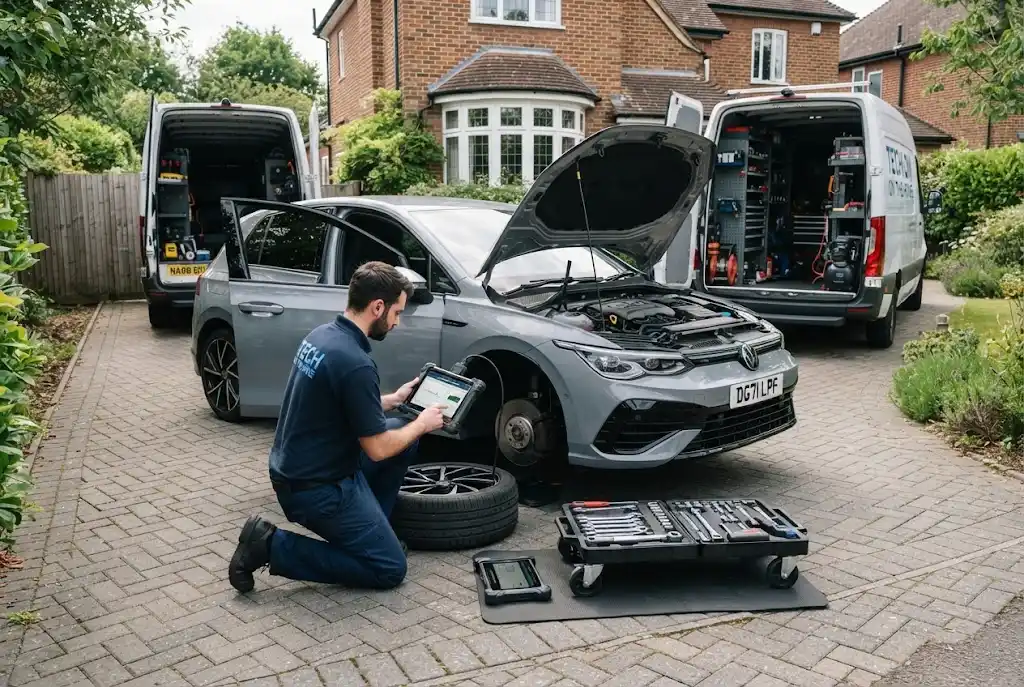
Tyre services are becoming more technology-driven as modern vehicles gain smarter safety systems, connected features and increasingly sophisticated maintenance requirements. For UK drivers, tyre fitting is no longer simply about removing an old tyre and installing a replacement. Digital diagnostics, tyre monitoring, connected vehicles and maintenance technology are gradually changing how drivers identify problems, plan servicing and manage tyre safety. This shift matters because tyres remain one of the most important points of contact between a vehicle and the road. Drivers need tyres that are correctly fitted, properly inflated and free from dangerous defects. At the same time, newer vehicles…

Read More