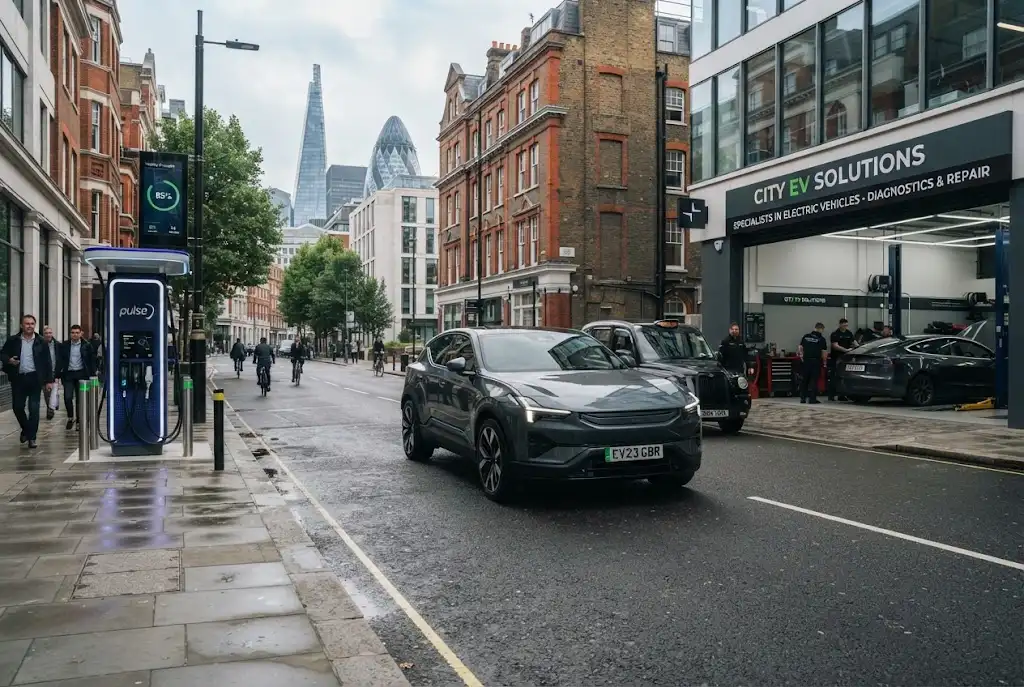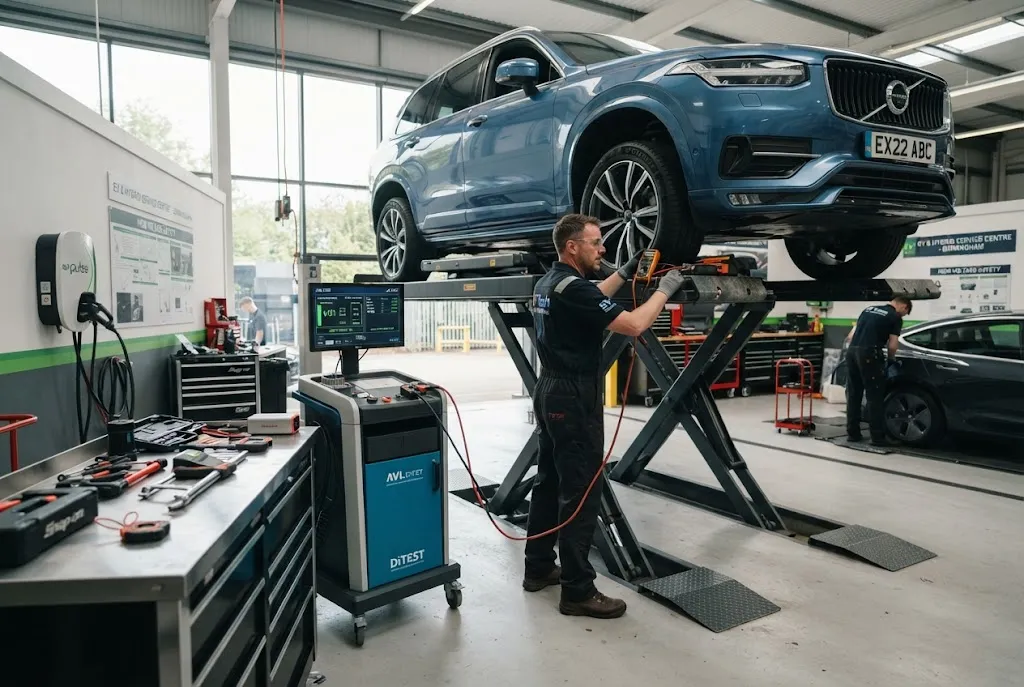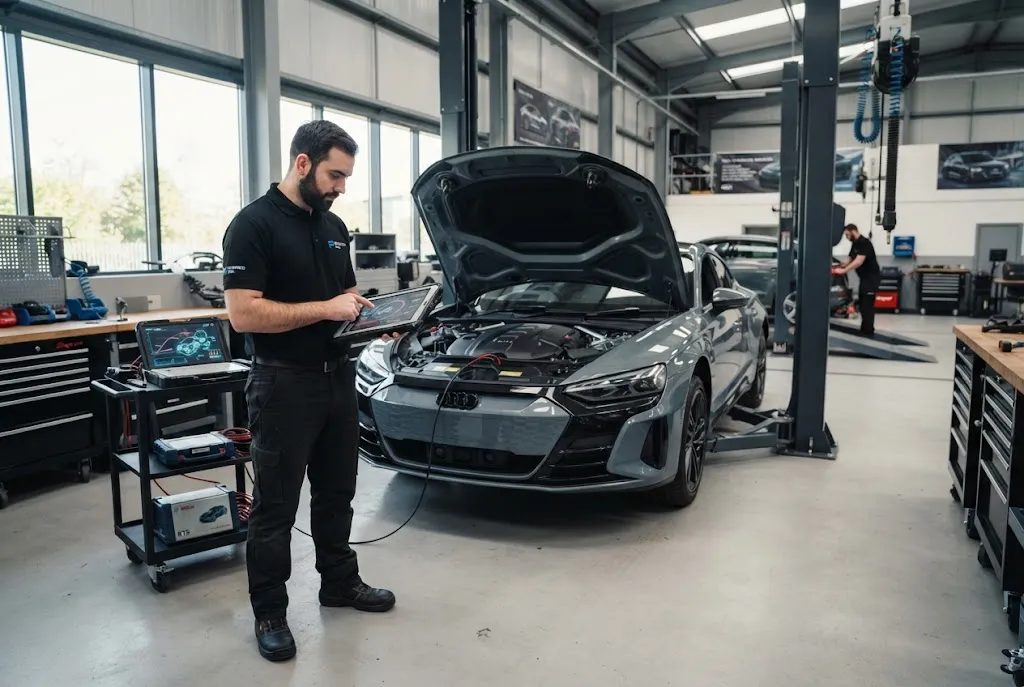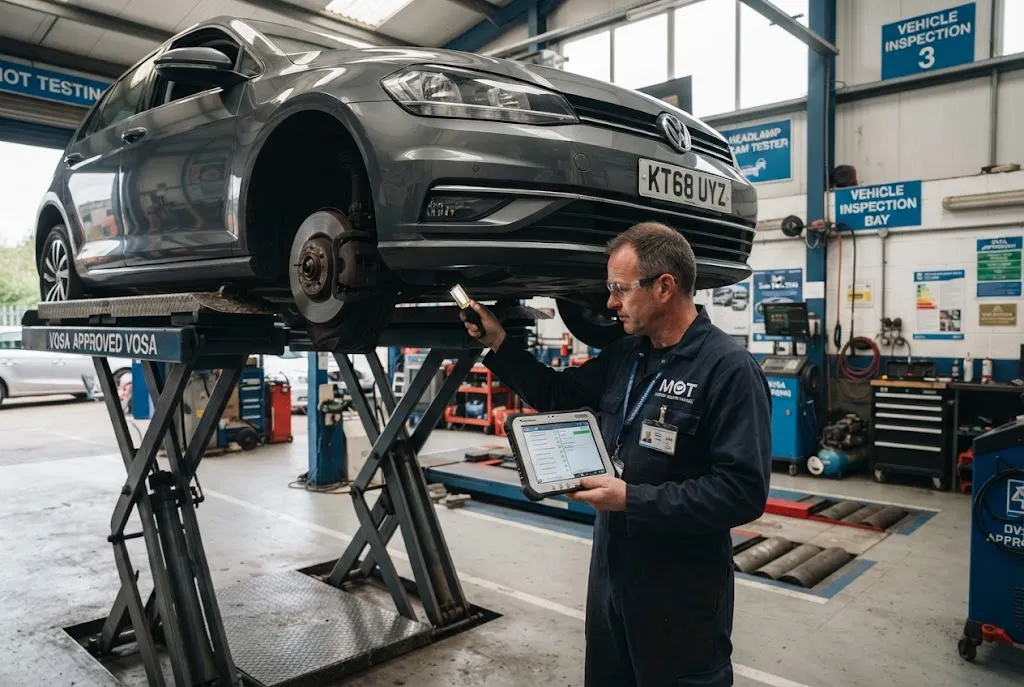


For drivers, this means that maintaining a vehicle is no longer simply about paying for oil, filters and routine mechanical work. Modern servicing can involve electronic diagnostics, software-related checks, advanced driver assistance systems and specialist equipment, particularly as newer petrol, hybrid and electric vehicles become more common.
Understanding why prices move can help motorists compare quotes more effectively and focus on long-term value for money rather than choosing a garage purely because it offers the lowest headline price.
Why Is Car Service Cost Changing in the UK?
There is no single reason behind changes in servicing prices. A garage’s final quote reflects several components, including technician labour, replacement parts, diagnostic equipment, premises, energy, administration and the complexity of the vehicle being serviced.
The wider economic environment also matters. UK official statistics show that prices for maintenance and repair services for motor vehicles have increased substantially over recent years. The Office for National Statistics’ services producer price index for motor vehicle maintenance and repair stood at 161.4 in the second quarter of 2026, compared with 150.9 in 2025 and 142.2 in 2024 on its published index series.
This does not mean every driver’s annual service bill has increased by the same percentage. Vehicle age, model, mileage, service schedule, parts required and local labour rates can all produce very different outcomes.
Inflation and Rising Maintenance Expenses
Inflation is one of the most visible factors affecting automotive ownership. When businesses face higher costs for premises, equipment, utilities, insurance, parts, software and other services, some of those expenses can eventually be reflected in customer prices.
Maintenance expenses are particularly important because vehicles require ongoing attention even when household budgets are under pressure. Routine servicing, brakes, tyres, batteries, filters and other consumable components remain necessary regardless of short-term economic conditions.
The ONS includes car servicing, labour charges for vehicle repairs, MOT testing and selected replacement parts within its consumer price inflation basket for motor vehicle maintenance. This demonstrates how closely vehicle maintenance is connected with household transport expenditure.
For motorists, the practical lesson is that delaying routine maintenance simply because prices have risen can sometimes create a larger financial problem later. A small issue identified during scheduled maintenance may be easier and less expensive to address than a failure that develops after months of neglect.
How Labour Shortages Can Affect Repair Costs
Skilled labour is another important part of the pricing equation. Modern vehicles require technicians who can combine traditional mechanical knowledge with electronic diagnostics and increasingly complex vehicle systems.
The Institute of the Motor Industry reported in 2026 that automotive employers continued to experience pressure around specialist technical roles. Its March 2026 labour market briefing estimated around 16,000 unfilled automotive roles and highlighted shortages involving experienced technicians and specialist workshop skills.
More recent IMI vacancy tracking also showed strong recruitment demand for vehicle technicians, mechanics and electricians. This matters because workshop capacity depends on having appropriately trained people available to diagnose, service and repair vehicles.
When specialist skills are harder to recruit, businesses may need to invest more in wages, training and equipment. Those investments can contribute to the overall cost of providing professional repair and maintenance services.
Repair Costs Are Becoming More Technology-Dependent
Older vehicles can often be serviced using relatively familiar mechanical procedures. Newer vehicles, however, increasingly combine mechanical components with sophisticated electronic systems.
A technician may need diagnostic equipment to investigate warning lights, electronic faults or communication problems between vehicle control systems. Some repairs can therefore require more than physical replacement of a component.
This is one reason a simple comparison of hourly labour rates can be misleading. A garage charging a higher rate may have invested heavily in diagnostic equipment, technician training and specialist tooling. A lower hourly rate does not automatically mean a lower final bill, particularly if additional diagnostic time is required.
The increasing role of technology is also creating a natural connection between traditional servicing and the emerging digital MOT and service trends shaping vehicle maintenance.
Older Cars and Ownership Costs
Vehicle age can have a significant effect on ownership costs. As a car becomes older, components can naturally wear and require replacement. Rubber components, braking parts, suspension components, batteries, exhaust systems and other items can eventually need attention.
However, an older car is not automatically poor value. A well-maintained vehicle can continue providing dependable transport for many years, particularly when its maintenance history is clear and major components remain in good condition.
The key is to consider the total ownership picture rather than looking at one repair invoice in isolation. Annual servicing, insurance, tax, fuel or charging, tyres, repairs and depreciation can all contribute to the real cost of keeping a vehicle.
For this reason, motorists should think about maintenance as part of long-term ownership rather than an unexpected expense that appears only when something goes wrong.
Why Vehicle Technology Is Changing Workshop Pricing
The transition towards connected vehicles, hybrids and electric cars is changing what technicians need to know and what garages need to provide.
Vehicles can now generate significantly more electronic information about their operating condition. Diagnostic systems can help technicians identify faults, investigate warning messages and assess vehicle systems before deciding what work is required.
This does not mean every service will become dramatically more expensive. In some cases, better diagnostics can make fault-finding faster and reduce unnecessary component replacement. However, garages need appropriate equipment, software access and training to use these technologies effectively.
These developments also create the foundation for future AI-powered vehicle inspection services, where advanced inspection technology could increasingly support technicians when assessing vehicle condition.
Digital Servicing Could Change the Customer Experience
Digital servicing is becoming increasingly relevant to motorists because vehicle maintenance is no longer limited to a paper service book and a physical inspection.
The Digital records can make it easier to maintain a history of servicing and repairs. For drivers, a clear record can help demonstrate how a vehicle has been maintained when it is sold or traded in. For garages, digital systems can help organise customer information, service reminders and workshop processes.
Connected diagnostics may also allow technicians to access more detailed information when investigating certain faults. As vehicle technology develops, the service experience is likely to become increasingly dependent on a combination of physical inspection, diagnostic information and digital records.
Does a Higher Car Service Cost Mean Better Value?
Not necessarily. Price and value are related, but they are not identical.
A very cheap service may look attractive initially, but motorists should check exactly what is included. A quote might cover only basic routine work, while another garage may include additional checks, higher-quality parts, digital records or more comprehensive diagnostics.
When comparing prices, drivers should consider:
- What type of service is included
- Which parts and fluids are included
- Whether diagnostic checks are part of the quoted price
- Whether manufacturer service requirements are being followed
- Whether replacement parts are genuine, approved or aftermarket
- Whether additional work requires separate approval
- What warranty or guarantee applies to the work
- Whether the garage has technicians trained for the vehicle type
A transparent quote is often more useful than simply selecting the lowest advertised price. Asking for a written breakdown can make it easier to understand where the money is going.
How Drivers Can Manage Changing Service Prices
Motorists cannot control wider pricing trends, but they can make maintenance decisions that improve predictability.
First, follow the vehicle manufacturer’s recommended service schedule. Regular maintenance helps identify worn components before they become more serious problems.
Second, compare garages based on the complete service rather than the headline price. Ask what is included and whether diagnostic work, consumables or additional inspections are charged separately.
Third, keep records of previous maintenance. A complete history can help a technician understand what has already been replaced and can prevent unnecessary duplication.
Finally, pay attention to changes in vehicle technology. Hybrid and electric vehicles require different knowledge from conventional petrol and diesel cars, so choosing a garage with the appropriate training and equipment can be more important than choosing the cheapest quote.
Drivers interested in how these changes fit into the wider automotive market can also follow the site’s coverage of automotive trends, including connected vehicles, smart transport and emerging servicing technologies.
What Could Happen to Service Prices Next?
Future pricing is likely to remain influenced by several competing forces.
On one side, inflation, business operating costs, technician wages and investment in specialist equipment can put upward pressure on prices. Increasing vehicle complexity can also require additional training and diagnostic capability.
On the other side, better technology may improve workshop efficiency. Digital records, advanced diagnostics and automated inspection processes could help technicians identify problems more efficiently and reduce unnecessary work.
The vehicle mix itself will also matter. Electric and hybrid vehicles have different maintenance requirements from conventional vehicles, while connected technologies are likely to change how faults are identified and how service information is managed.
This means the future of car servicing is unlikely to be defined simply by whether prices rise or fall. The more important change may be what motorists receive for the money they spend.
Understanding Value for Money in Vehicle Maintenance
For UK motorists, the best way to think about changing service prices is to focus on the relationship between cost, quality, transparency and long-term vehicle condition.
A professional service should provide more than a stamp in a service record. It should give the driver a clearer understanding of the vehicle’s condition and identify maintenance issues that may need attention.
As workshops adopt more sophisticated diagnostic systems and digital processes, the definition of a vehicle service is also evolving. The traditional combination of mechanical checks and replacement consumables is increasingly being supported by electronic diagnostics, digital records and technology-led inspections.
For motorists, understanding these pricing trends can make it easier to compare garages, plan maintenance expenses and make informed decisions about vehicle ownership. The headline car service cost is only one part of the equation; the quality of the work, transparency of the quote and ability of the garage to support the vehicle’s technology all contribute to genuine value.
As the UK’s automotive market continues to evolve, service pricing will increasingly sit alongside digital inspections, connected diagnostics, hybrid and electric vehicle maintenance, and other developments shaping the future of mobility.