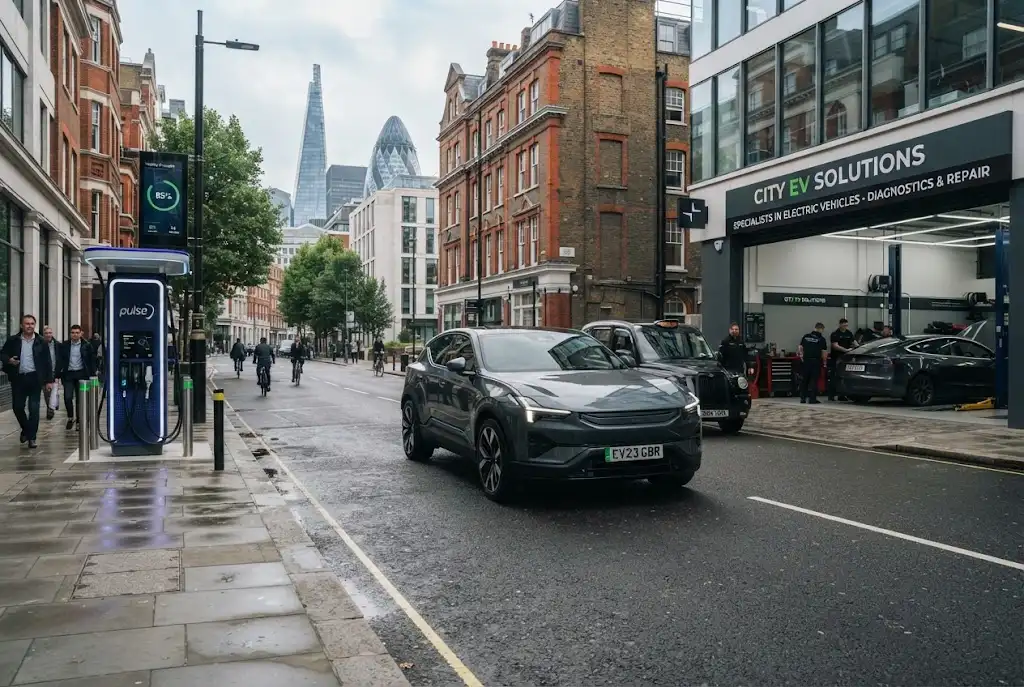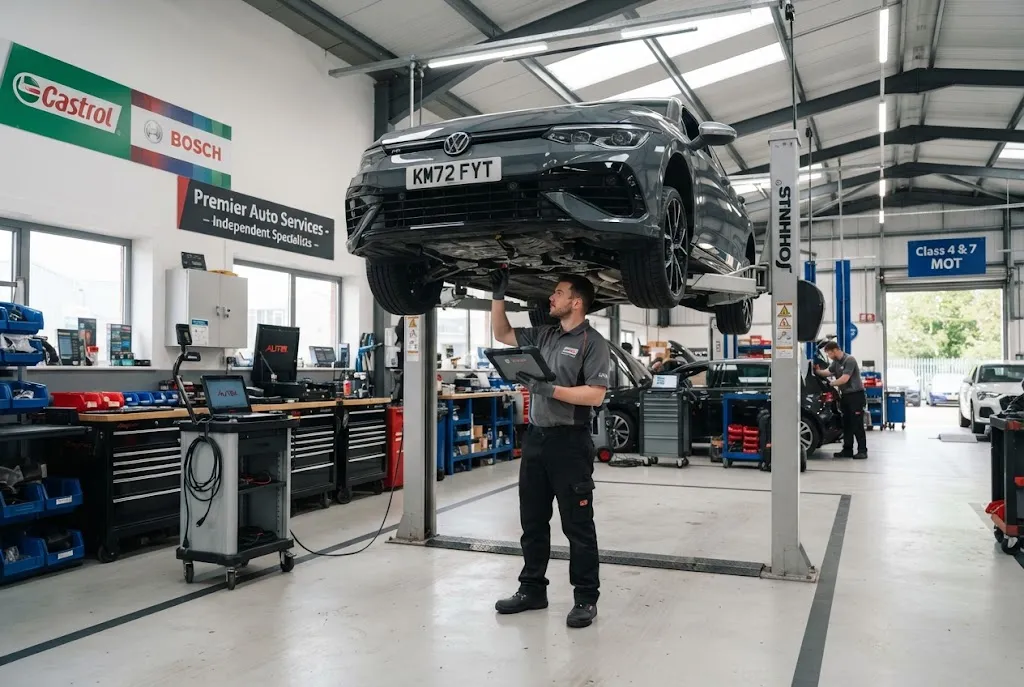


For motorists, the shift is particularly relevant because an MOT result is no longer simply a paper certificate. In Great Britain, the definitive legal MOT record is electronic, while drivers can check historical test results, recorded mileage, previous failures and other information online.
At the same time, developments such as digital photographs at MOT tests, connected diagnostics and smarter workshop systems are creating a more data-driven approach to vehicle maintenance. These changes are also closely connected with wider developments in car service cost, as modern vehicles and workshops increasingly depend on specialist technology.
What Is Changing in MOT and Service?
The most important change is not that the MOT itself has suddenly become a completely different test. Instead, the supporting infrastructure around vehicle testing is becoming more digital.
The Driver and Vehicle Standards Agency (DVSA) operates the MOT service and maintains digital MOT test records. Approved testing stations use the MOT testing service to record results, while vehicle owners can access their MOT history online.
In 2026, the DVSA also began a national rollout of a feature allowing MOT testers to take and upload a photograph of the vehicle during the test. The initial phase began on 3 August 2026 and involved around 2,500 garages across Great Britain.
The photograph feature is designed to provide additional evidence that a vehicle was present at the garage during its test. According to the DVSA, it can help deter fraudulent MOT activity, support vehicle identity verification and increase confidence in the testing process. It does not replace the MOT inspection itself.
How Digital MOT Records Help Drivers
Digital MOT records are already an established part of vehicle testing in Great Britain. Every completed MOT test creates an electronic record, and that record is the legal record of the test.
For vehicle owners, this creates several practical benefits. A driver can check whether a car passed or failed, see the mileage recorded at each test and review information about previous failures and minor problems.
The online record can also show when the next MOT is due. This makes it easier for motorists to plan vehicle testing rather than relying entirely on paper documentation or remembering dates themselves.
Digital records are also useful when buying a used vehicle. A prospective buyer can review the vehicle’s MOT history and look for patterns such as repeated failures, mileage information and recurring defects. However, an MOT record should not be treated as a complete mechanical inspection because the test represents the condition of testable items at the time of the test.
Smart Inspections and the Move Towards Digital Evidence
Smart inspections are increasingly based on the ability to capture, store and share information electronically. The latest MOT photography rollout is a clear example of this direction.
The new DVSA feature allows testers to use a smartphone, tablet or another compatible mobile device to take and upload a photograph during the MOT process. The image is uploaded directly to the MOT testing service rather than being retained in the device’s normal photo gallery.
This type of digital evidence can make vehicle testing more traceable. It gives testing authorities another piece of information that can be associated with a particular test event, alongside the vehicle registration, test result and other electronic data.
The rollout is being introduced in phases. At the initial stage, taking and uploading the photograph is optional, and garages can continue the test when they cannot upload an image by selecting an appropriate reason in the service.
Connected Diagnostics and Vehicle Testing
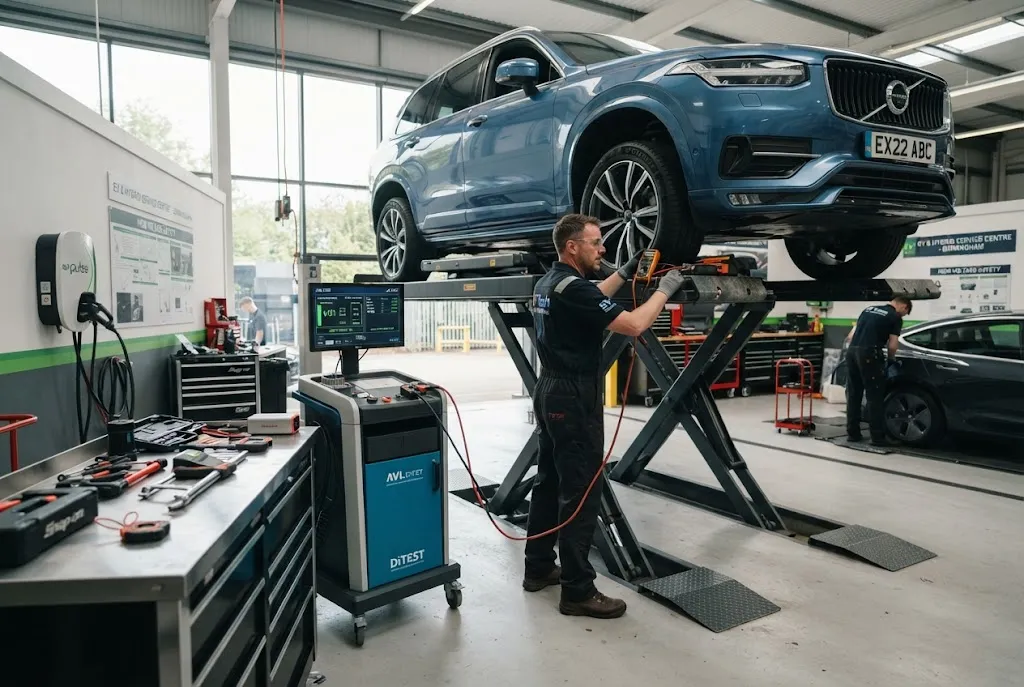
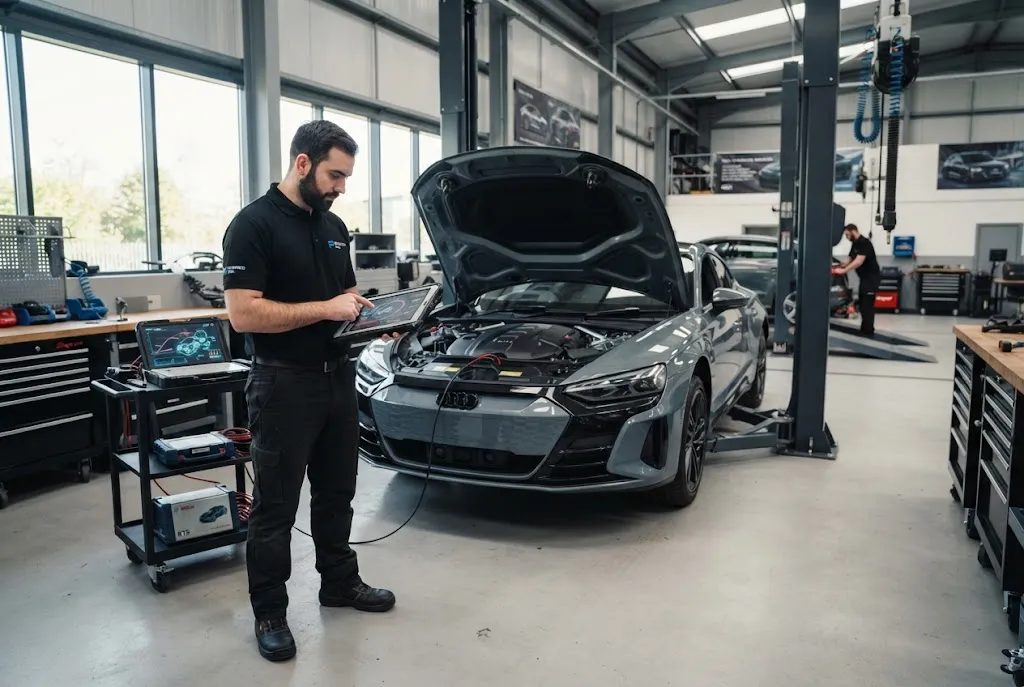
Modern vehicles generate significantly more electronic information than many older vehicles. This has made diagnostic technology increasingly important in professional automotive servicing.
Connected diagnostics can help technicians investigate warning lights, electronic faults and communication problems between vehicle systems. However, diagnostics and MOT testing should not be treated as identical processes.
The DVSA describes the MOT as a test of specified testable items at the time of inspection. The electronic MOT record therefore does not represent a complete assessment of a vehicle’s general mechanical condition.
This distinction is important for motorists. A car can pass its MOT and still require servicing or maintenance. Conversely, a service inspection can identify issues that are outside the specific scope of the statutory MOT.
As diagnostic technology develops, this distinction will become even more important. Drivers may increasingly encounter workshops that combine statutory testing with broader electronic diagnostics and preventive maintenance assessments.
Can AI Improve Future Vehicle Inspections?
Artificial intelligence is likely to become an increasingly discussed area within vehicle inspection technology. Cameras, diagnostic systems and connected vehicles can generate large quantities of information, creating opportunities for software to identify patterns and highlight potential problems.
However, AI-assisted inspection should not be confused with the statutory authority of an MOT tester. Under current DVSA guidance, the tester remains responsible for making the decisions concerning the testable items.
That means future AI inspections are more realistically viewed as a potential support technology rather than an automatic replacement for qualified testers.
For example, computer vision could potentially help flag visible defects for closer examination, while predictive systems could identify patterns that warrant further investigation during routine servicing. These developments connect naturally with the emerging topic of auto inspection services and the wider use of AI diagnostics.
Digital Records and Used-Car Buying
The growth of digital records has particular value in the used-car market. Buyers can now access historical MOT information before committing to a purchase.
The official MOT history service allows motorists to see previous test results and recorded mileage for eligible vehicles. For cars, motorcycles and vans in Great Britain, records are available for tests conducted since 2005.
This does not eliminate the need for a physical inspection when buying a used vehicle. Instead, the digital record provides another source of information that can help a buyer identify questions worth asking.
A history showing repeated failures in the same area, for example, may justify closer investigation. Similarly, unusual mileage patterns can prompt a buyer to examine the vehicle’s documentation more carefully.
The digital MOT record is therefore becoming part of the broader information ecosystem surrounding vehicle ownership rather than simply a replacement for paper documentation.
How Digital Technology Supports Road Safety
The purpose of the MOT is connected directly with roadworthiness and environmental standards. The DVSA states that the statutory test contributes to the government’s road safety strategy.
Digital systems can support this objective by making testing information easier to record, retrieve and monitor.
Electronic MOT records allow enforcement bodies to access relevant information directly. The DVSA also uses digital systems to monitor testing standards and manage authorised testing stations.
The introduction of additional digital evidence, such as photographs, is another example of technology being used to strengthen confidence in the testing process. The DVSA says the photograph feature is intended to help deter fraudulent activity and support vehicle identity verification.
These developments do not change the fundamental responsibility of approved testers. MOT testers must still carry out the inspection according to the relevant standards, and testing stations remain subject to DVSA oversight.
What Digital MOT Means for Garages
Digital transformation also changes the operational requirements for testing stations.
Authorised examiners are responsible for supplying and maintaining the IT equipment and internet connection required for the MOT testing service. DVSA guidance states that the service is designed to work across modern computers and tablets and requires an appropriate internet connection.
Garages therefore need more than physical testing equipment. They also need reliable digital infrastructure, appropriate software access and staff who understand how to use the relevant systems.
This adds another layer to the modern garage environment. Traditional mechanical expertise remains essential, but digital administration, diagnostics and data handling are increasingly part of everyday workshop operations.
MOT and Service: Why the Two Should Not Be Confused
One of the most important points for motorists is that an MOT and a service have different purposes.
An MOT checks whether specified vehicle components and systems meet the required standards at the time of the test. A service is generally broader and focuses on maintaining the vehicle according to its maintenance requirements.
The DVSA specifically warns that an MOT record should not be regarded as evidence of a vehicle’s general mechanical condition.
That means passing an MOT does not remove the need for regular servicing. Similarly, completing a service does not replace the legal requirement for an MOT when one is due.
Understanding this distinction can help motorists avoid an expensive misconception: an MOT certificate confirms the result of the statutory test, but it is not a guarantee that every part of the vehicle is in perfect condition.
The Future of Digital Vehicle Testing
The direction of travel is clear: vehicle testing is becoming increasingly connected to digital information.
Electronic MOT records are already standard. Online MOT history gives motorists access to useful vehicle information. Testing stations rely on digital systems to record official results, and the 2026 rollout of vehicle photographs introduces another layer of digital evidence into the process.
Beyond the statutory MOT, workshops are also likely to continue adopting connected diagnostics, digital service histories and advanced inspection technologies. Hybrid and electric vehicles will add another dimension because their maintenance and diagnostic requirements can differ from conventional petrol and diesel vehicles.
These developments connect with broader automotive trends, including connected vehicles, smart transport and increasingly technology-led vehicle maintenance.
What Drivers Should Do Now
For motorists, the practical response is relatively straightforward.
- Check your MOT status and history through the official government service.
- Keep your vehicle serviced according to the manufacturer’s recommendations.
- Do not assume an MOT pass means the vehicle needs no further maintenance.
- Review previous MOT advisories and failures when assessing a used vehicle.
- Use a properly authorised MOT testing station.
- Ask questions if a garage recommends additional diagnostic or repair work.
- Keep digital and physical records of significant maintenance where appropriate.
Drivers can also use the official GOV.UK MOT history service to check previous test results, recorded mileage and the next MOT due date.
Conclusion
The future of MOT and service is becoming increasingly digital, but the fundamental purpose of vehicle testing remains focused on roadworthiness and compliance. Electronic records, connected systems, digital evidence and increasingly sophisticated diagnostics are changing how information is captured and used rather than removing the need for qualified automotive professionals.
For drivers, the biggest benefit is greater access to vehicle information. A digital MOT history can help motorists understand a car’s testing record, while emerging inspection technologies may give garages better tools for identifying and managing vehicle issues.
As these systems develop, MOT testing, servicing and advanced diagnostics will increasingly operate alongside one another. Understanding the difference between them will help motorists make better-informed decisions about maintenance, repairs and the long-term condition of their vehicles.