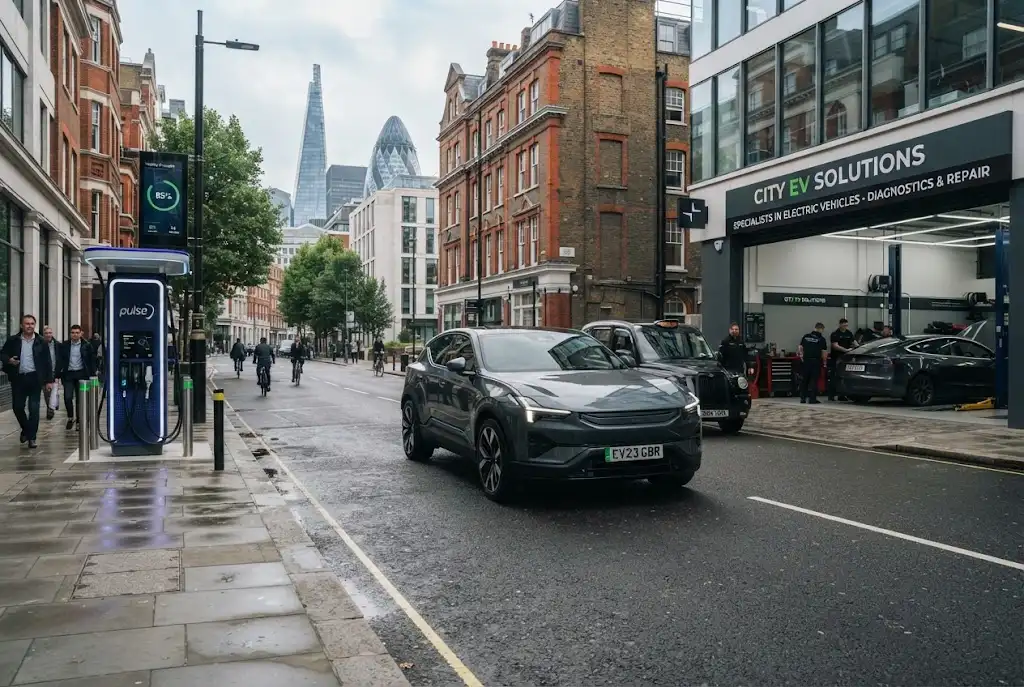


Some of these changes are already visible on British roads and in garages, while others are still developing. Electric and hybrid vehicles are becoming an increasingly important part of the market, digital vehicle records are more established, and modern cars can contain sophisticated electronic systems that require specialist diagnostic equipment.
For motorists, understanding these developments can make it easier to anticipate changes in vehicle ownership, maintenance and technology. It also provides useful context for developments such as changing car service costs, digital inspections and specialist electrified-vehicle maintenance.
What Are the Biggest Automotive Trends in the UK?
The automotive sector is experiencing several overlapping changes rather than one single transformation. The most significant areas include electrification, connected vehicles, advanced driver assistance systems, artificial intelligence, digital workshop technology and changing expectations around vehicle ownership.
These developments are closely connected. An electric vehicle, for example, relies heavily on electronic systems and software. A connected vehicle can generate large amounts of operational data. That data can support digital diagnostics, while artificial intelligence may eventually help technicians interpret some of the information.
The result is an automotive industry that increasingly combines mechanical engineering with software, electronics, data and communications technology.
Electrification Is Reshaping the Vehicle Market
One of the most visible automotive trends is the growth of electrified vehicles.
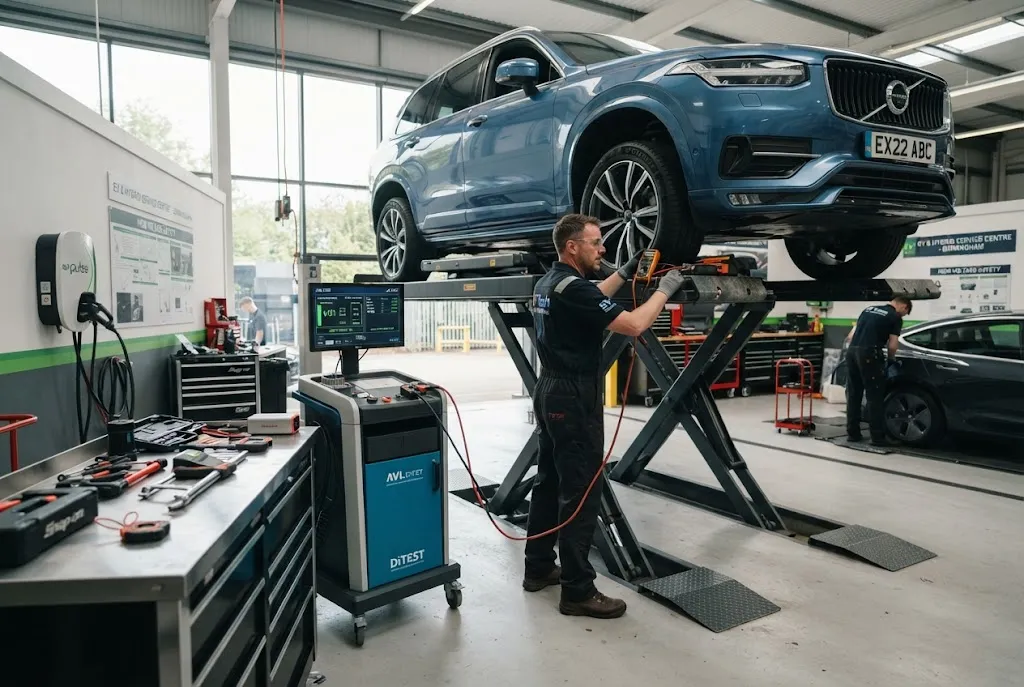
Electric vehicles and hybrids have different powertrain architectures from conventional petrol and diesel cars. This affects everything from vehicle manufacturing and charging infrastructure to maintenance requirements and technician training.
Fully electric vehicles do not use conventional internal combustion engines, while hybrids combine electric propulsion with an engine. Both technologies require motorists and workshops to understand systems that were not present in the same form in older generations of vehicles.
For garages, this means investing in specialist equipment and developing expertise in high-voltage systems, battery technology and electronic diagnostics.
These developments are covered in greater depth in our article on hybrid services and EV servicing, which examines how electrification is changing automotive maintenance.
Connected Vehicles Are Becoming More Important
Connected vehicles use communications technology to exchange information with external systems. Depending on the vehicle and services available, this can include navigation information, vehicle status, software updates, emergency assistance and other connected functions.
Connectivity also creates new possibilities for vehicle maintenance. A modern vehicle can produce information about its systems that may help technicians investigate problems more efficiently.
As more vehicles become connected, the distinction between automotive engineering and digital technology becomes less clear. Software and data are increasingly important components of the overall driving experience.
However, connected vehicles also raise questions about data security, privacy, software support and access to vehicle information. These issues will remain relevant as manufacturers expand digital services.
AI Servicing Could Change Vehicle Maintenance
Artificial intelligence is another emerging area within automotive technology. AI systems can analyse large quantities of information and identify patterns, which makes them potentially useful for diagnostics and maintenance.
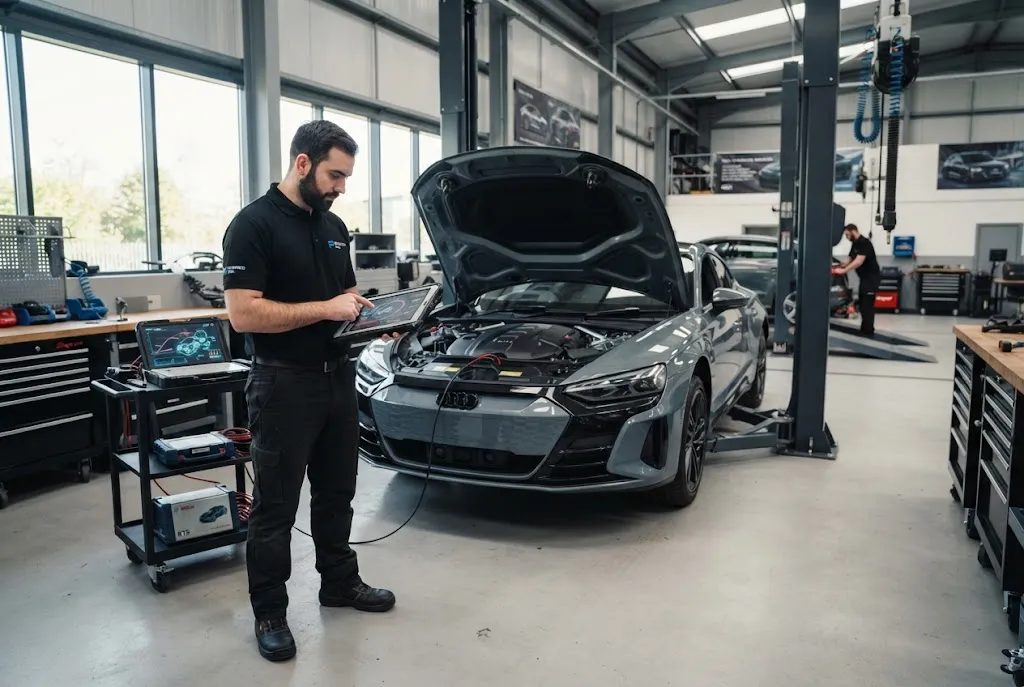
AI servicing could support technicians by analysing diagnostic information, identifying unusual patterns and highlighting areas that may require further investigation.
This should not be interpreted as an automatic replacement for professional mechanics. Automotive faults can have multiple causes, and physical inspection remains essential for many problems.
The more realistic development is likely to involve technicians using AI as another diagnostic support tool.
This connects directly with the development of auto inspection services, where digital diagnostics, vehicle health reports and predictive technologies are becoming increasingly relevant.
Digital Garages Are Changing the Service Experience
Another important automotive trend is the growing use of digital systems within garages.
Workshop software can help businesses manage bookings, customer information, vehicle histories, inspection results and service reminders. Technicians can use tablets and diagnostic equipment to record information electronically rather than relying entirely on paper documentation.
For customers, digital systems can make the maintenance process more transparent. A garage may be able to provide photographs, inspection results or electronic reports alongside a quotation for recommended work.
This can help motorists understand why a repair has been suggested rather than simply receiving a list of technical terms on an invoice.
Digital garage systems can also improve continuity because future technicians may have access to a clearer record of previous maintenance.
Smart Transport Is Expanding Beyond the Car
Automotive innovation is also increasingly connected with the wider concept of smart transport.
Smart transport brings together vehicles, roads, public transport, charging infrastructure, communications systems and digital services. The objective is to use technology and information to improve how transportation networks operate.
For drivers, this could eventually mean greater integration between vehicles and infrastructure. Charging information, traffic conditions, parking availability and navigation services can already be presented digitally, while future systems may enable more sophisticated communication between vehicles and transport infrastructure.
These developments could influence how people plan journeys and interact with their vehicles, particularly as connected and electric transport becomes more common.
Vehicle Testing Is Becoming More Digital
Vehicle testing is another area affected by digitalisation.
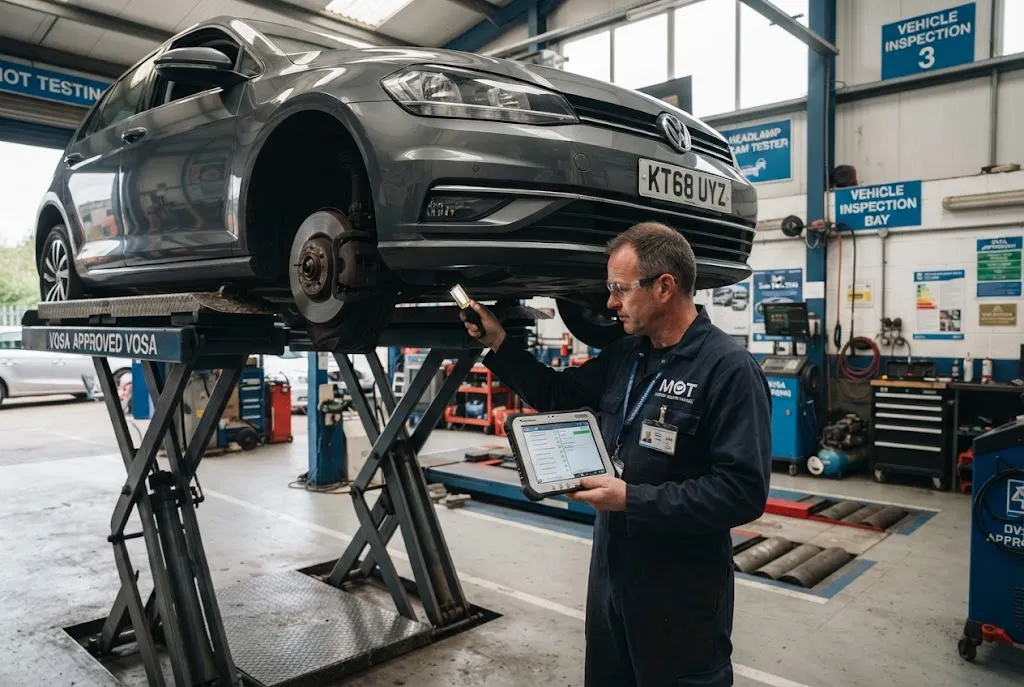
In Great Britain, the official MOT system already uses electronic records. Drivers can check MOT history online, including previous test results and recorded mileage.
The Driver and Vehicle Standards Agency has also introduced additional digital evidence into the MOT process. A national rollout of vehicle photographs began in August 2026, with participating testers able to upload a photograph during the MOT test through the MOT testing service.
The change demonstrates how established automotive processes can incorporate digital evidence without eliminating the role of trained testers.
Our guide to MOT and service technology explores these developments and explains why digital MOT records should not be confused with a complete mechanical inspection.
Consumer Behaviour Is Changing Too
Technology is not the only factor driving automotive change. Consumer behaviour is also evolving.
Drivers increasingly have access to more information before buying or maintaining a vehicle. Online reviews, digital vehicle histories, comparison tools and manufacturer information can all influence decisions.
There is also growing interest in running costs and long-term ownership. Buyers may consider fuel efficiency, charging availability, maintenance requirements, insurance and depreciation alongside the initial purchase price.
This broader approach to ownership can influence demand for different vehicle types and services.
For garages, it also creates a stronger need for transparent pricing and clear communication. Customers may want to understand not only what repair is recommended but why it is necessary and how it could affect future ownership costs.
Emerging Technologies Are Changing Automotive Innovation
Automotive innovation increasingly involves the interaction of several technologies rather than isolated improvements.
Battery development can improve electric vehicle performance. Connected systems can provide additional vehicle information. Artificial intelligence can analyse data. Digital platforms can deliver that information to technicians and customers.
Advanced driver assistance systems are another example. Cameras, radar and other sensors can support functions such as adaptive cruise control, lane assistance and automatic emergency braking, depending on the vehicle.
These systems can improve the technological capabilities of vehicles, but they also introduce additional components that may require specialist calibration or diagnostic procedures following certain repairs.
The Future of Mobility May Be More Connected
Future mobility is likely to involve greater integration between vehicles, digital services and transportation infrastructure.
Electric vehicles may communicate with charging systems. Connected vehicles may receive software updates remotely. Navigation platforms may combine real-time traffic information with vehicle data. Fleet operators may use telematics to monitor vehicle usage and maintenance.
These developments are particularly relevant to businesses operating multiple vehicles. Better access to vehicle data could help fleet managers plan maintenance, monitor usage and identify potential problems.
For private motorists, the benefits may be more gradual, appearing through improved navigation, charging services, vehicle diagnostics and digital ownership records.
What Automotive Trends Mean for UK Garages
Independent garages are facing a changing skills landscape.
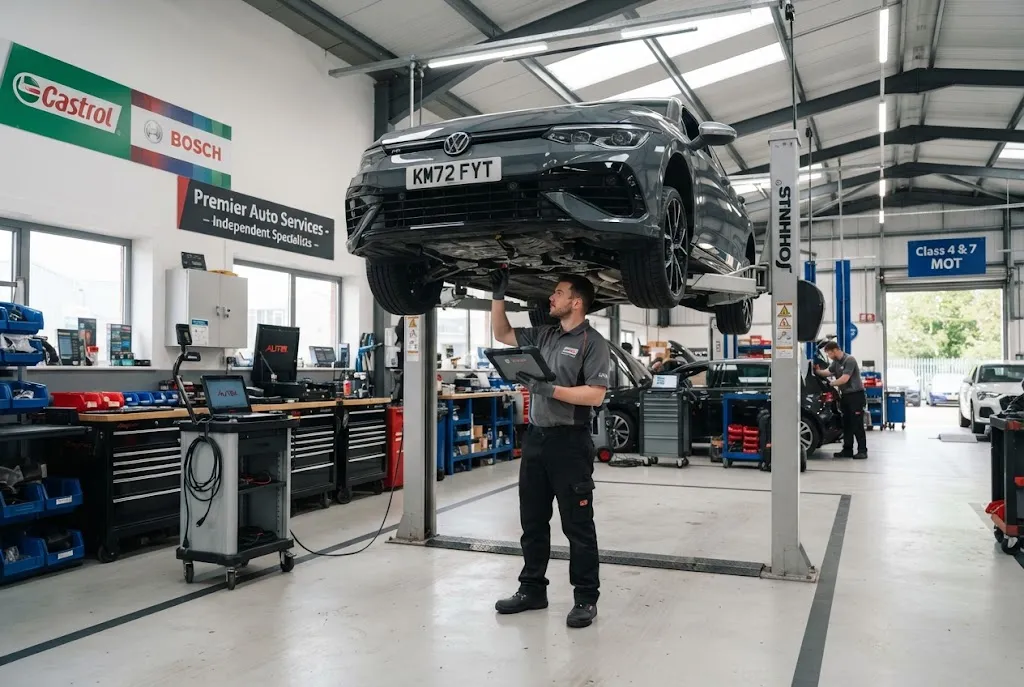
Traditional mechanical expertise remains essential, but workshops increasingly need access to diagnostic software, electronic testing equipment and technicians with knowledge of newer vehicle technologies.
Electric and hybrid vehicles add high-voltage safety requirements. Advanced driver assistance systems can introduce calibration requirements. Connected vehicles can require software-related diagnostic capabilities.
Garages that adapt to these changes can provide services across a wider range of modern vehicles, while motorists will increasingly need to consider whether a workshop has the appropriate equipment and training for their particular car.
Will Automotive Technology Make Cars Easier to Maintain?
Technology can make some aspects of vehicle maintenance more efficient, but it does not necessarily make every repair simpler.
Advanced diagnostics can help identify faults faster, while digital inspection systems can make findings easier to document. Predictive analytics may eventually help identify potential problems before they become major failures.
At the same time, modern vehicles can be technically complex. A fault may involve software, sensors, electronic control units or communication between multiple systems.
As a result, automotive maintenance is becoming less about choosing between mechanical or digital expertise and more about combining both.
What Drivers Should Watch in the Coming Years
UK motorists can expect several automotive trends to remain important:
- Continued development of electric and hybrid vehicles.
- Expansion of charging infrastructure.
- Greater use of connected vehicle systems.
- More sophisticated digital diagnostic equipment.
- Increasing use of AI-assisted inspection and maintenance tools.
- Greater availability of digital vehicle records.
- Continued development of advanced driver assistance technology.
- Growing demand for technicians with specialist electrical and software skills.
- More integration between vehicles and smart transport infrastructure.
The pace of adoption will vary between technologies and vehicle segments. Not every innovation will become standard immediately, and conventional petrol and diesel vehicles will remain part of the UK’s vehicle fleet for many years.
How Drivers Can Prepare for Automotive Change
Motorists do not need to become automotive technology experts, but understanding the basics can help with future ownership decisions.
When buying a newer vehicle, consider not only the purchase price but also servicing requirements, charging or fuel costs, insurance and access to suitable repair specialists.
When choosing a garage, ask whether technicians are trained to work on the specific vehicle and whether the workshop has the required diagnostic equipment.
It is also worth keeping service and repair records organised. Digital documentation can become increasingly useful as vehicles become more dependent on software, diagnostics and connected systems.
Conclusion
The most important automotive trends are not developing independently. Electrification, connected vehicles, AI servicing, digital garages, smart transport and changing consumer behaviour are part of a wider transformation in how vehicles are designed, maintained and used.
For UK motorists, the practical effect is a more technology-driven ownership experience. Cars are becoming increasingly connected, workshops are adopting digital tools, and technicians need a broader combination of mechanical, electrical and diagnostic skills.
At the same time, traditional automotive fundamentals remain important. Vehicles still need appropriate maintenance, inspections, safe repairs and qualified professional attention.
The future of mobility is therefore likely to combine established automotive expertise with emerging technology. Drivers who understand this transition will be better positioned to evaluate vehicle choices, maintenance options and the services available to them as the UK automotive market continues to evolve.