

Used cars remain an important part of the UK automotive market, giving motorists an alternative to buying a brand-new vehicle. Changes in household budgets, vehicle prices, finance options, digital marketplaces and consumer preferences are all influencing how people approach second-hand vehicles.
The modern used-car buying journey is also very different from the traditional forecourt experience. Buyers can research vehicles online, compare prices across multiple sellers, check vehicle histories and investigate finance options before arranging a viewing. At the same time, dealerships are using increasingly sophisticated data to understand demand, manage stock and adjust pricing.
These developments are creating a more transparent and competitive market. For consumers, however, greater choice also means more information to assess. Understanding the latest trends can help buyers make better decisions while providing useful context for anyone following the UK’s changing automotive landscape.
Why Used Cars Remain Important to UK Buyers
The appeal of used cars is closely connected to affordability and choice. A second-hand vehicle can provide access to a particular model or specification without requiring the buyer to pay the price of a new example.
Depreciation also influences the economics of vehicle ownership. A new car generally loses value as it ages, meaning buyers entering the market later may be able to purchase an older vehicle at a lower price than its original retail cost.
However, purchase price should never be the only consideration. Age, mileage, maintenance history, condition, insurance costs, fuel consumption and expected future repairs can all influence the actual cost of owning a used vehicle.
As a result, buyers are increasingly looking at the complete ownership picture rather than simply searching for the lowest advertised price.
Second-Hand Vehicles and Changing Market Demand
Demand for second-hand vehicles can shift according to economic conditions, vehicle availability and consumer preferences. When new-car prices or household costs become more challenging, some buyers may consider used vehicles as a way to control their initial expenditure.
The market also benefits from the large number of vehicles entering the second-hand supply chain through part-exchange, fleet sales and the end of finance agreements.
According to Auto Trader’s May 2026 market data, the average used-car price was £17,306, while vehicles were selling in an average of 29 days. The company reported that demand remained stronger than available supply during the month. ([plc.autotrader.co.uk](https://plc.autotrader.co.uk/news-views/press-releases/used-car-market-records-strongest-price-growth-in-three-years-as-robust-demand-drives-faster-sales/?utm_source=chatgpt.com))
Such data illustrates why market demand matters. When buyers compete for a relatively limited supply of desirable vehicles, prices can remain resilient even when consumers are becoming more selective.
How Resale Values Influence the Used Car Market
Resale values have an important influence on the wider vehicle market. A car that retains a relatively strong value can remain attractive to both its current owner and future buyers.
Several factors can affect a vehicle’s resale value. Mileage, condition, service history, specification, brand reputation, demand and the availability of comparable vehicles can all contribute.
Fuel type is also becoming increasingly relevant. Consumer preferences are changing as buyers consider petrol, diesel, hybrid and electric vehicles differently.
For current owners, strong resale values can make changing vehicles easier. For used-car buyers, however, the same market conditions can mean that popular models remain relatively expensive.
This is one reason why buyers should compare several similar vehicles rather than assuming that an older car will automatically provide better value.
Digital Marketplaces Are Changing How People Buy Used Cars
Digital marketplaces have transformed the way consumers discover and compare vehicles. Instead of visiting several dealerships, buyers can search large numbers of listings from home.
Online platforms allow consumers to filter vehicles by price, mileage, make, model, fuel type and location. More advanced platforms can also provide pricing information, dealer reviews, vehicle history features and other decision-making tools.
This means the first stage of the buying process increasingly happens online. A consumer may already know the approximate market price of a vehicle before contacting a seller.
Our previous article on AutoTrader UK and digital automotive marketplace trends explores how online platforms are changing vehicle discovery, dealership strategies and buyer behaviour.
For used-car dealers, this shift creates both opportunity and pressure. A large online audience can generate more enquiries, but customers can also compare competing listings immediately.
Consumer Behaviour Is Becoming More Research-Driven
Consumer behaviour in the used-car market is increasingly shaped by online research. Buyers can investigate common problems, compare specifications and read reviews before deciding which vehicles deserve further attention.
This has changed the role of the salesperson. Instead of providing all the basic information about a vehicle, dealers may be speaking to buyers who have already completed significant research.
Consumers can also become more selective about presentation. Poor photographs, incomplete descriptions or unclear pricing may cause a potential buyer to move on to another listing.
Trust is particularly important when purchasing a second-hand vehicle. Buyers want confidence that the vehicle’s condition, history and documentation match the information provided in the listing.
Consequently, transparent descriptions and accessible information can become competitive advantages for reputable sellers.
Used Cars and Fuel-Type Preferences
Fuel type is one of the areas where the used market is experiencing significant change. Petrol and diesel vehicles remain important, while hybrid and electric vehicles are becoming increasingly visible in second-hand listings.
Consumer demand can vary substantially between these categories. Running costs, charging availability, driving patterns, environmental considerations and purchase prices can all affect the decision.
Auto Trader’s April 2026 data reported stronger demand for used electric vehicles, while demand for petrol and diesel vehicles moved differently. The data demonstrates that fuel-type preferences are not static and can influence pricing and stock levels. ([plc.autotrader.co.uk](https://plc.autotrader.co.uk/news-views/press-releases/autotrader-retail-price-index-april-2026/?utm_source=chatgpt.com))
For buyers, this means it is worth considering the vehicle’s suitability for their actual driving habits rather than choosing a fuel type based solely on market trends.
Affordability Remains a Major Consideration
Affordability is central to the decision to buy a used vehicle. However, the most affordable car to purchase may not always be the most affordable car to own.
Buyers should consider the likely cost of insurance, fuel, servicing, tyres, repairs and other running expenses. Older vehicles can have lower purchase prices but may require more maintenance as components age.
Conversely, a newer used vehicle may cost more initially while potentially offering a more predictable ownership experience, depending on its condition and warranty coverage.
Finance can also affect affordability. Some buyers may use vehicle finance to spread the purchase cost, while others may prefer to purchase outright.
Our guide to car finance trends in the UK covers PCP, HP finance, monthly payments and emerging vehicle ownership models in greater detail.
How Finance Is Influencing Used Car Purchases
Vehicle finance can influence both the demand for and accessibility of used cars. A buyer may compare a cash purchase with a finance agreement and assess which option best fits their circumstances.
Finance can make a higher-priced used vehicle appear more manageable when viewed through monthly payments. However, consumers should always consider the total amount payable rather than focusing solely on the monthly figure.
The wider UK motor finance market remains substantial. FCA analysis published in 2026 reported that motor finance lending reached £41 billion in 2025, up 6% from the previous year. ([fca.org.uk](https://www.fca.org.uk/publication/policy/ps26-3-technical-annex-2.pdf?utm_source=chatgpt.com))
For used-car buyers, the important consideration is whether any finance arrangement is affordable over its entire term and whether the vehicle itself represents good value.
Stock Availability Can Affect Used Car Prices
Supply is another major factor in the used-car market. When fewer desirable vehicles are available, dealers may have less incentive to reduce prices, particularly when consumer demand remains strong.
Stock availability can be influenced by new-car registrations, fleet sales, leasing cycles, vehicle exports, consumer replacement patterns and the flow of vehicles into dealerships.
Dealers therefore need to monitor market conditions carefully. Holding the right stock can be just as important as achieving the right price.
For consumers, limited supply can mean that waiting for a lower price is not always the best strategy. A vehicle that meets their requirements and is fairly priced may be more attractive than repeatedly searching for a cheaper example that may not appear.
What Makes a Used Car Attractive to Buyers?
While preferences differ, several factors commonly influence used-vehicle purchasing decisions:
- Competitive pricing.
- Good overall condition.
- Documented service history.
- Reasonable mileage for the vehicle’s age.
- Strong specification and desirable equipment.
- Reliable reputation.
- Good fuel economy for the intended use.
- Clear vehicle history.
- Reputable seller or dealership.
- Suitable finance options where required.
However, no single characteristic guarantees that a particular vehicle is a good purchase. A well-maintained high-mileage vehicle can sometimes be more attractive than a poorly maintained lower-mileage example.
Buyers should therefore assess the complete vehicle rather than relying on one metric.
Why Vehicle History Matters
Checking a vehicle’s history is an important part of buying a used car. Information about previous ownership, recorded mileage, insurance-related events, outstanding finance or other relevant history can help a buyer make a more informed decision.
History checks should complement, rather than replace, physical inspection. Buyers should compare the information in a history report with the vehicle itself and the documentation supplied by the seller.
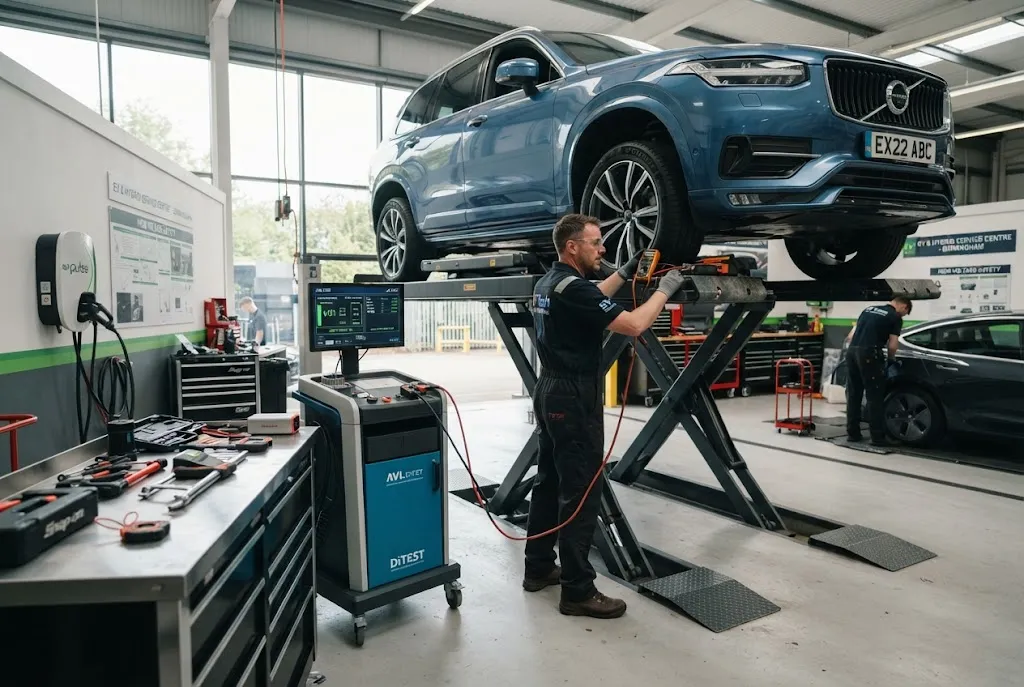
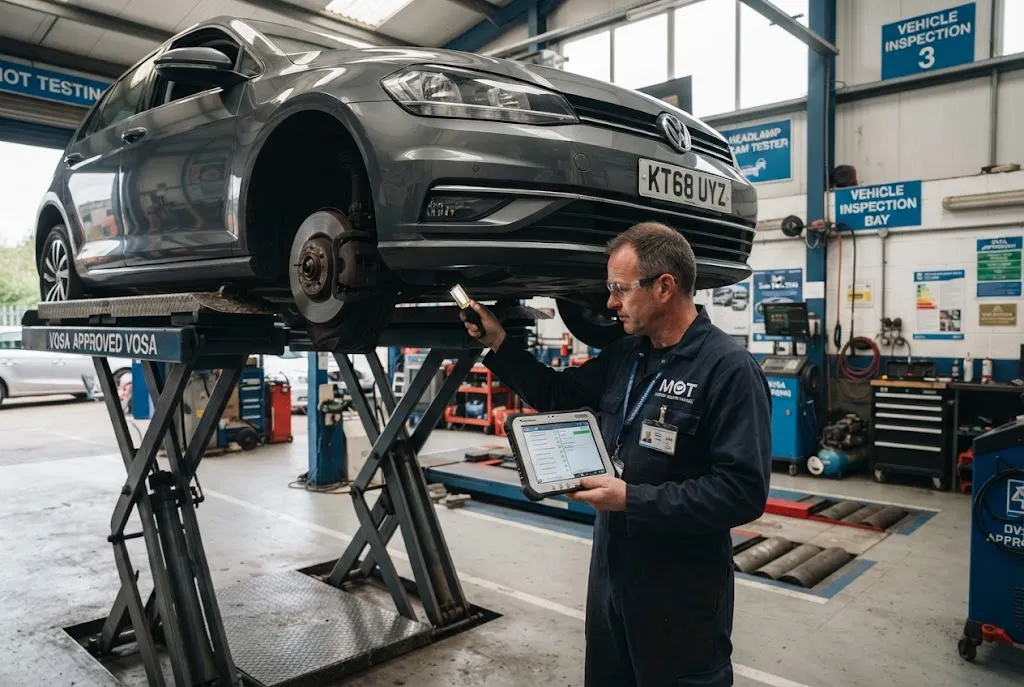
A professional inspection can also be worthwhile when purchasing an expensive vehicle or when the buyer has concerns about mechanical condition.
Particular attention should be paid to tyres, brakes, bodywork, warning lights, fluid leaks, suspension behaviour and evidence of previous repairs.
For broader maintenance considerations, our guide to repair finance and vehicle maintenance costs explains how unexpected repair bills can affect the overall affordability of vehicle ownership.
Used Cars and the Rise of Data-Driven Pricing
Technology is also changing how used vehicles are priced. Digital platforms can analyse large amounts of market information, giving dealers and consumers greater visibility into comparable vehicles.
Auto Trader’s Market Insight tools, for example, provide retailers with information about supply, demand and pricing at national and regional levels. ([autotrader.co.uk](https://www.autotrader.co.uk/partners/retailer/solutions/market-insight?utm_source=chatgpt.com))
Data-driven pricing can help dealers understand whether stock is positioned competitively. For buyers, comparable listings provide useful context when evaluating an advertised price.
Nevertheless, market data cannot capture every difference between individual vehicles. Two cars of the same age and model can have different specifications, histories and conditions.
Pricing tools should therefore be treated as a guide rather than an automatic statement of a vehicle’s exact value.
How Dealers Are Adapting to Changing Buyer Expectations
Dealerships operating in the used-car market are increasingly expected to provide a strong digital experience. Buyers may discover a vehicle online, compare it with alternatives and contact the dealer before deciding whether to visit.
This makes accurate online listings essential. Dealers need to provide clear photographs, accurate mileage, detailed specifications and transparent pricing.
Fast communication is also becoming important. A customer searching online can contact multiple sellers within minutes, so slow responses may result in lost opportunities.
Dealers are also using market data to decide which vehicles to buy and how to price them. This can make stock management more responsive to changing consumer demand.
The Future of the UK Used Car Market
The future of used cars in the UK is likely to be shaped by digital marketplaces, changing fuel preferences, vehicle affordability and increasingly informed consumers.
Online platforms will probably continue to provide more tools for comparing vehicles, evaluating prices and connecting buyers with retailers. Artificial intelligence and data analytics may also make search and pricing more personalised.
At the same time, physical vehicle inspection will remain important. Cars are tangible, high-value purchases, and many buyers will continue to want to see and drive a vehicle before committing.
The used market is therefore likely to develop as a combination of digital convenience and physical reassurance. Consumers may conduct most of their research online while still relying on dealerships, independent inspections and test drives for final verification.
What Buyers Should Do Before Purchasing a Used Car
A careful buying process can reduce the risk of making an expensive mistake. Before purchasing, motorists should:
- Research comparable vehicles and prices.
- Check the vehicle’s history and documentation.
- Inspect the exterior and interior carefully.
- Check tyres, brakes and other visible components.
- Confirm the mileage and service history.
- Take an appropriate test drive.
- Ask questions about previous repairs or known faults.
- Compare insurance and expected running costs.
- Understand any finance agreement before signing.
- Consider whether the vehicle suits their long-term needs.
Buyers should avoid rushing simply because a listing appears attractive. A good vehicle should still stand up to basic checks and reasonable questions.
Final Thoughts
The UK market for used cars is becoming increasingly digital, data-driven and competitive. Buyers have more information than ever before, while dealerships can use market data to make more informed decisions about pricing and inventory.
Market demand, resale values, fuel preferences and affordability will continue to influence which vehicles perform strongly. Meanwhile, digital marketplaces are making it easier for consumers to compare options before visiting a dealership.
For buyers, the best approach is to combine online research with careful physical inspection and realistic ownership calculations. A vehicle’s advertised price is only the starting point. Condition, history, running costs, finance and future resale potential all deserve consideration.
As the automotive market continues to evolve, used vehicles are likely to remain an important choice for UK motorists. The biggest change may not be the role of second-hand cars themselves, but how technology is helping consumers find, evaluate and purchase them.