

Keeping up with UK beauty industry news means looking beyond individual product launches. The British beauty market is being shaped by changing shopping habits, new retail concepts, emerging brands, technology, premiumisation, Korean beauty and increasingly experiential ways of discovering products. For consumers and beauty businesses alike, these developments offer a useful picture of where the industry is heading.
Recent activity across the UK shows a market that remains highly competitive but also remarkably innovative. Major retailers are expanding their beauty propositions, independent and emerging brands are looking for new routes to market, and technology is becoming increasingly important in both discovery and personalisation. Understanding these changes can help shoppers make better choices while giving beauty businesses valuable insight into the wider market.
What Is Driving UK Beauty Industry News?
The UK beauty sector is no longer driven solely by traditional department stores, high-street retailers and established cosmetic houses. Online shopping, social commerce, creator recommendations, specialist retailers and direct-to-consumer brands have all changed how consumers discover and purchase beauty products.
At the same time, shoppers are becoming more selective. They may compare ingredients, reviews, prices and brand values before making a purchase. This has increased the importance of education, product transparency and personalised recommendations.
Retailers are responding by creating environments where customers can discover products rather than simply buy them. That shift is one of the most important themes appearing across current UK beauty industry news.
Beauty Retail News Shows a Shift Towards Experience
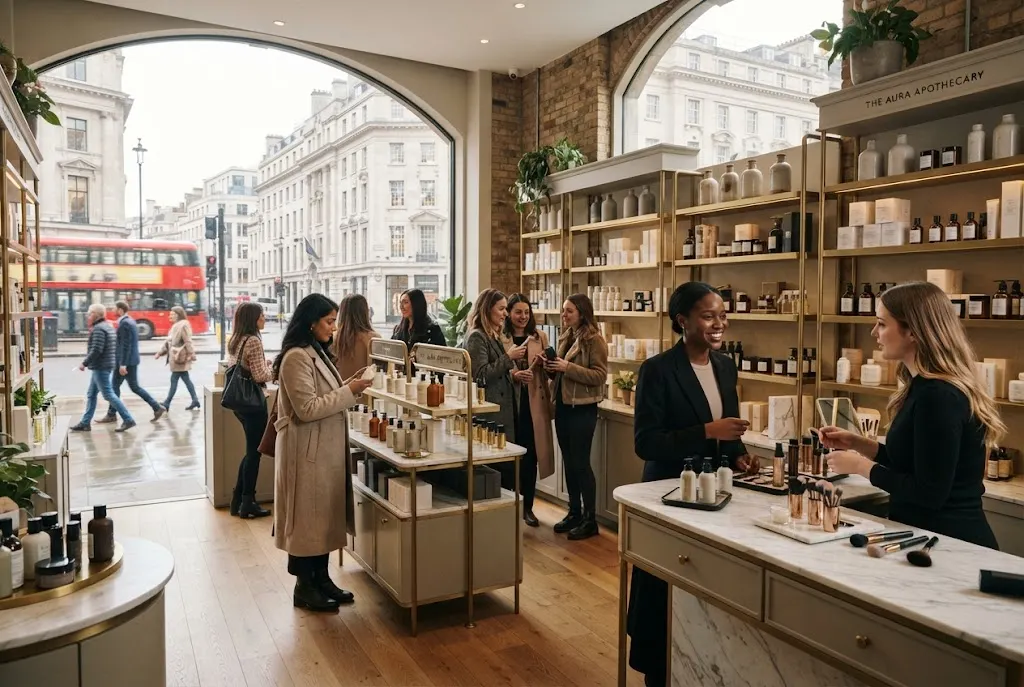
One of the clearest developments in UK beauty retail is the move towards more immersive shopping environments. Boots, for example, has continued developing dedicated beauty concepts, including its beauty-only store in Bristol. The 11,000-square-foot location brings together more than 200 beauty and wellness brands alongside beauty services, creating an experience designed around discovery rather than conventional shelf shopping.
Superdrug has followed a similar direction with its Beauty Playground concept. Originally introduced at its Westfield Stratford London flagship, the format combines emerging brands, beauty services, expert advice and opportunities for shoppers to explore products in a more interactive environment.
This approach matters because beauty is particularly suited to physical discovery. Customers often want to see shades, test textures, compare fragrances and speak with someone before committing to a product. Retailers that successfully combine convenience with experience can therefore create a stronger reason for customers to visit stores.
Beauty Brand News: Established Names Expand Their Reach
Partnerships between major retailers and established beauty brands are another important part of current beauty business news UK coverage. Boots expanded its prestige beauty offering in 2026 by introducing Charlotte Tilbury Beauty to selected stores across the country. It also launched Jo Malone London in 39 stores nationwide and online.
These moves demonstrate how established beauty brands and major retailers can use each other’s strengths. Retailers gain desirable products and stronger prestige credentials, while brands gain additional physical and digital access to consumers.
The development also highlights the growing importance of premium beauty beyond traditional luxury shopping destinations. Consumers can increasingly encounter prestige makeup, skincare and fragrance products through mainstream retail channels.
Beauty Product Launches Are Becoming More Diverse
New beauty product launches continue to play a major role in the UK market, but the definition of innovation has expanded. Today’s launches can involve skincare, makeup, fragrance, haircare, wellness and electrical beauty devices.
Recent UK beauty coverage has highlighted everything from advanced skincare formulations and new fragrance collections to LED devices and innovative hair-styling tools. The growing overlap between beauty and wellness is particularly significant because consumers increasingly view personal care as part of a broader lifestyle rather than as a collection of separate categories.
For brands, this creates opportunities to develop products that solve several consumer needs at once. Hydration, skin appearance, convenience, sensory appeal and wellness positioning can all influence purchasing decisions.
Beauty Technology News Is Reshaping Discovery
Technology is becoming one of the most influential themes in the modern beauty market. Artificial intelligence, personalised recommendations, digital consultations, connected devices and advanced at-home treatments are changing how consumers interact with beauty products.
Boots’ 2026 Beauty & Wellness Trends Report, for example, identified technology-powered optimisation and AI-assisted personalisation among the trends influencing beauty and wellness. The retailer reported that a substantial proportion of UK adults were using AI search tools to help guide beauty purchases.
This development suggests that the customer journey increasingly begins before someone enters a shop or visits a retailer’s website. Consumers can use digital tools to research ingredients, compare products, understand routines and identify options that appear suited to their needs.
For beauty companies, technology therefore affects both product development and marketing. Brands need to make their information clear enough to be discovered, understood and compared across increasingly sophisticated digital journeys.
Beauty Retailers Are Giving Emerging Brands More Opportunities
Another important theme within UK beauty industry updates is the growing visibility of emerging brands. Large retailers are increasingly using curated spaces and specialist concepts to introduce customers to products they may not encounter through traditional beauty counters.
Boots has supported this trend through initiatives such as Breakout Beauty UK, a programme designed to help promising British beauty brands scale. Superdrug’s Beauty Playground has also been positioned as a launchpad for emerging brands, while specialist retailers continue to create dedicated spaces for newer names.
This can benefit the wider beauty ecosystem. Smaller companies gain access to larger audiences, while consumers receive greater choice and retailers can continually refresh their product assortments.
K-Beauty Is Becoming More Visible Across the UK
Korean beauty is another major part of current beauty market news. Interest in K-beauty has moved well beyond a niche audience, with specialist retailers and established UK department stores expanding their Korean skincare and beauty selections.
John Lewis has invested in Korean beauty through a partnership with Skin Cupid, including online access to Korean skin and haircare brands and dedicated shop-in-shop locations. Specialist K-beauty retailers are also expanding beyond London, bringing products and educational experiences to more regional shopping destinations.
The trend reflects a broader consumer interest in ingredient-led skincare, structured routines and innovative product formats. It also demonstrates how international beauty movements can become integrated into the UK mainstream market.
Why Beauty Companies Are Focusing on Personalisation
Personalisation has become increasingly important because beauty consumers rarely have identical needs. Skin type, hair texture, age, lifestyle, climate, preferences and budget can all influence which products make sense for an individual.
Retailers are therefore exploring personalised advice, consultations and digital recommendation tools. Boots has highlighted the importance of tailored advice, while its newer store concepts combine product discovery with access to beauty expertise.
For brands, personalisation can also improve customer relationships. Instead of simply promoting a product, a company can help consumers understand how and when it fits into a wider routine.
What Beauty Market News Means for Consumers
For shoppers, the rapid development of the UK beauty sector creates both opportunities and challenges. There is more choice than ever, but an expanding product range can also make decisions harder.
Consumers can benefit from comparing ingredients, product claims, independent reviews and suitability before purchasing. The arrival of more specialist retailers and experiential stores also gives shoppers additional opportunities to test products and obtain advice.
At the same time, fast-moving trends should not automatically be confused with proven effectiveness. A product becoming popular on social media does not necessarily mean it is appropriate for every consumer.
For deeper context on the evidence behind skincare and cosmetic claims, readers can explore our upcoming coverage of beauty research, which will examine the science, evidence and research shaping modern beauty.
What Beauty Businesses Should Watch Next
Beauty companies operating in the UK should pay attention to several connected developments. Retail experience is becoming more important, while digital discovery continues to influence purchasing decisions. Premium beauty is reaching broader audiences, K-beauty is expanding geographically, and emerging brands are gaining new opportunities through large retail partners.
Technology is likely to remain another major area of investment. AI-assisted discovery, personalisation and at-home beauty technology could continue influencing how consumers research and use products.
Businesses should also watch regional differences in consumer behaviour. Beauty trends do not develop identically across London, major regional cities, smaller towns and island communities. Understanding these differences can provide a stronger foundation for local expansion and marketing.
Our future coverage of London beauty will explore how the capital continues to influence the wider UK beauty scene, while our coverage of Isle of Man beauty will look at a distinct regional market and its local beauty businesses and trends.
How British Beauty Culture Continues to Evolve
Behind the latest product launches and retail announcements is a wider cultural shift. Beauty in Britain increasingly combines traditional routines with global influences, digital communities, wellness concepts and new technology.
Consumers may move between high-street retailers, specialist boutiques, online platforms and social media without seeing those channels as separate parts of the beauty journey. This creates a more connected marketplace in which trends can spread quickly and regional preferences can influence national conversations.
That wider cultural perspective will be important when assessing where the UK beauty market goes next. Our dedicated coverage of British beauty culture can provide further context on beauty habits, traditions, trends and regional influences across Britain.
The Future of UK Beauty Industry News
The UK beauty industry is entering a period where retail, technology, culture and consumer expectations are becoming increasingly interconnected. The strongest brands will not simply compete on individual products. They will compete on discovery, trust, experience, personalisation, convenience and the ability to respond to changing consumer needs.
For consumers, this means more choice and more ways to discover beauty products. For businesses, it means a need to understand the market beyond individual trends.
Following UK beauty industry news is therefore useful for anyone interested in where beauty is heading. From new retail concepts and emerging companies to technology, product launches and changing shopping habits, the UK’s beauty landscape continues to evolve rapidly.
As new brands enter the market and established retailers continue to reinvent their beauty strategies, the next stage of the industry is likely to be defined by a combination of innovation, experience and increasingly informed consumers.