

The modern auto service garage is changing rapidly as digital technology becomes a bigger part of vehicle servicing. Traditional tools and mechanical expertise remain essential, but today’s workshops are increasingly adding connected diagnostic equipment, digital booking systems, automated workflows and technology designed to improve the customer experience.
For UK motorists, these changes can affect everything from booking an appointment to receiving a vehicle inspection report. As cars become more electronically advanced, garages also need new ways to diagnose faults, manage information and communicate repair recommendations. Understanding these innovations provides a useful picture of how the workshop experience is evolving.
Why the Auto Service Garage Is Becoming More Digital
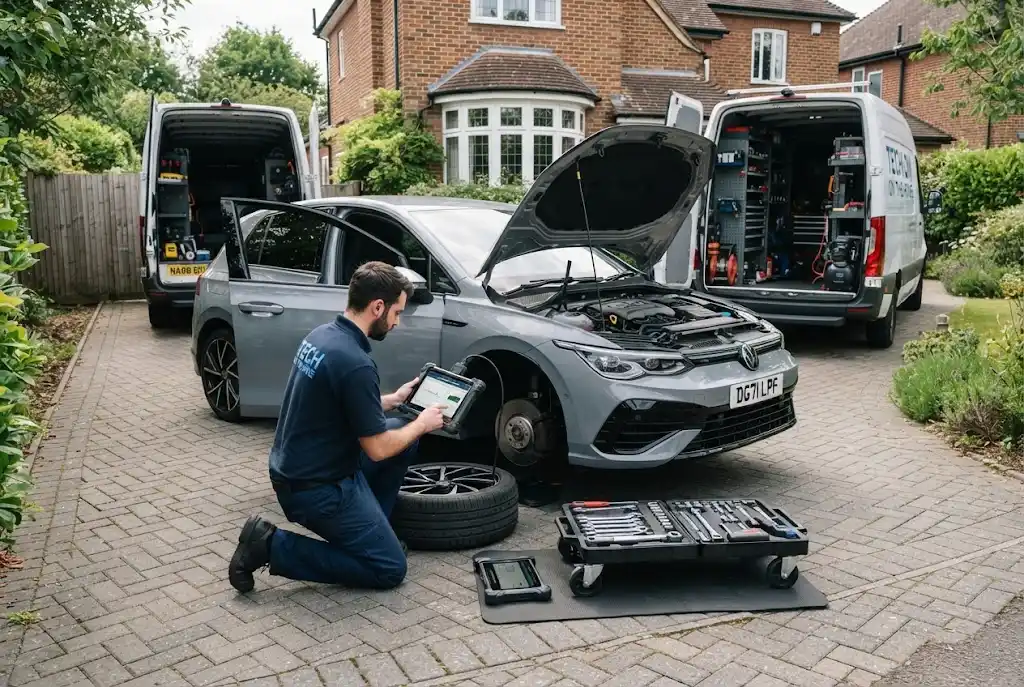
Modern vehicles contain a growing number of electronic systems, sensors and computer-controlled components. Consequently, garages need equipment that can interact with these systems as well as traditional mechanical tools.
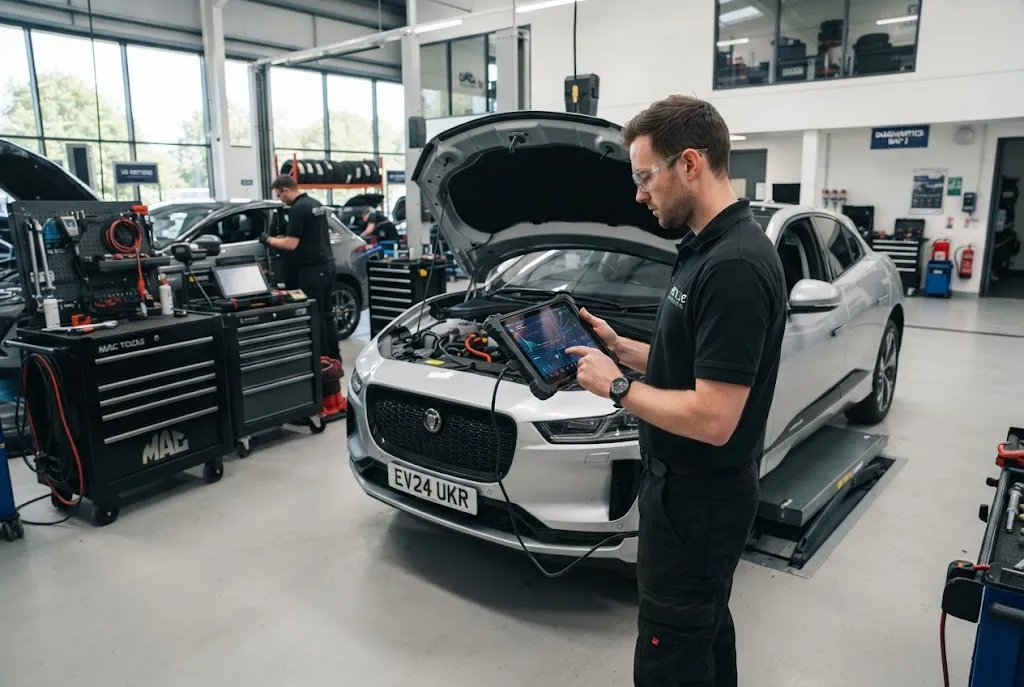
A contemporary workshop may use digital diagnostic equipment, electronic inspection forms and workshop management software alongside lifts, hand tools and specialist mechanical equipment. This combination allows technicians to work with both the physical and digital sides of a vehicle.
The change also extends beyond the workshop floor. Online appointment systems, automated reminders and digital repair updates can make it easier for customers to communicate with a garage without relying entirely on telephone calls.
Smart Garages Are Connecting Technology and Technicians
Smart garages are designed around better use of information. Instead of treating each part of the servicing process as a separate task, connected systems can help move information from booking to inspection, diagnosis, repair and completion.
For example, a customer’s appointment details can be stored in a workshop management system before the vehicle arrives. During the inspection, technicians may record findings digitally. The service adviser can then review the information and communicate relevant recommendations to the customer.
This type of connected workflow can reduce duplicated administration and make vehicle records easier to organise. It also creates opportunities for garages to provide customers with clearer updates throughout the servicing process.
Digital Workshops Are Improving the Service Experience
A digital workshop does not necessarily mean that every part of vehicle servicing becomes automated. Instead, digital tools can support technicians and service teams while keeping professional judgement at the centre of the process.
Digital inspections are one example. Rather than relying solely on handwritten notes, a garage can create an electronic record of the vehicle’s condition. Depending on the system being used, photographs and other supporting information may also be included.
For customers, this can make a recommendation easier to understand. A clear digital report can show what was inspected, which areas require attention and which work may need to be considered later.
These developments are closely connected with the wider movement towards smart auto repair trends, where technology is increasingly being used to support diagnosis, maintenance and workshop efficiency.
Garage Automation Can Reduce Repetitive Administration
Automation is becoming increasingly useful for routine workshop processes. Many administrative tasks do not require a technician to make a complex decision, making them suitable for software-based workflows.
Garage automation can support appointment confirmations, service reminders, customer notifications, job tracking and other repetitive processes. When these activities are handled efficiently, staff can spend more time dealing with customers and vehicle-related work.
Automation can also help workshops manage busy schedules. When several vehicles are being inspected or repaired simultaneously, a digital system can provide a central view of appointments, job status and outstanding tasks.
However, automation works best when it supports a well-designed process. Software cannot compensate for poor communication, inadequate training or inappropriate repair decisions. The technology should simplify useful workflows rather than add unnecessary complexity.
Online Bookings Are Changing Garage Appointments
Online bookings have become an increasingly familiar part of service businesses, and automotive workshops are adopting similar systems. A customer can potentially choose a suitable date, select a service and submit vehicle information without making a phone call.
For drivers with busy schedules, this can make arranging routine servicing more convenient. It can also help garages collect important information before the vehicle arrives.
Online booking systems may also connect with workshop calendars. This can reduce scheduling conflicts and help service teams manage available appointment slots more effectively.
For the customer, however, convenience should not come at the expense of clear information. A good booking system should explain what a selected service includes and make it clear when additional inspection or repair work may be required.
Connected Service Centres Need Better Diagnostic Technology
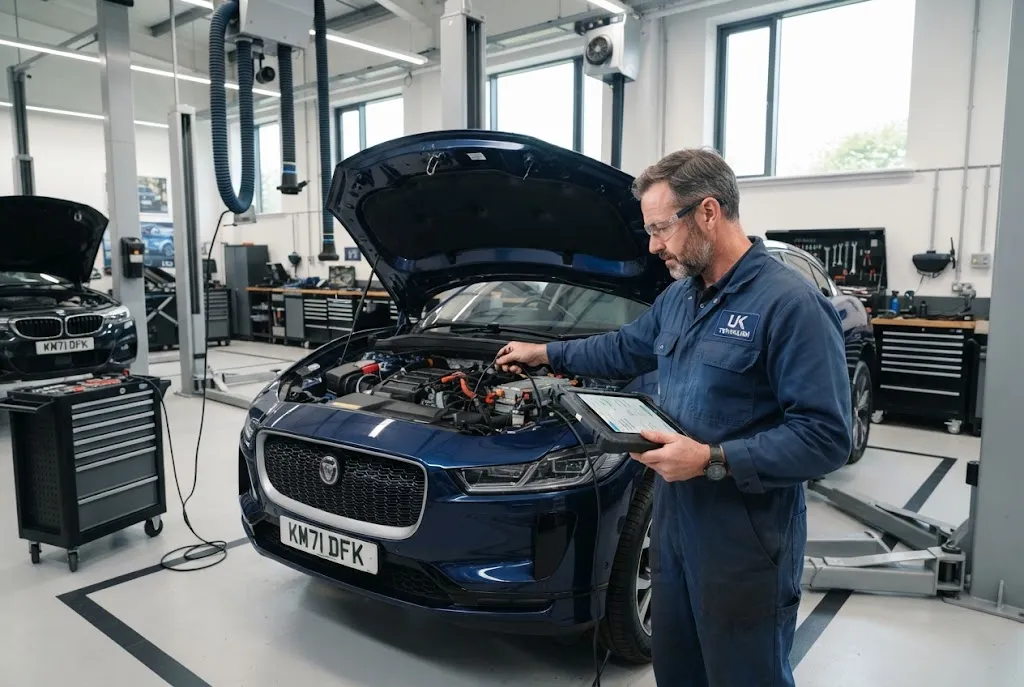
As vehicles become more electronically sophisticated, diagnostic technology is becoming increasingly important. Connected service centres can use advanced equipment to communicate with vehicle systems and help technicians investigate faults.
Diagnostic equipment can provide valuable information, but interpreting that information remains an important part of the technician’s role. A diagnostic code may indicate an area that needs investigation without identifying the complete underlying cause.
This is why modern workshop technology works best when combined with professional experience. Technicians can use diagnostic results as part of a wider investigation involving physical checks, testing and manufacturer-specific procedures.
Drivers interested in how this technology is affecting maintenance can also explore predictive vehicle maintenance, particularly the growing role of vehicle monitoring and digital diagnostics.
Customer Experience Is Becoming a Workshop Priority
Automotive servicing can sometimes feel complicated to customers because vehicle faults involve technical terminology. Modern workshops are therefore paying greater attention to how repair information is presented.
Digital communication can make this process easier. A garage may provide an inspection summary, explain recommended work and give customers an opportunity to approve additional repairs before work begins.
Clear communication can also help establish realistic expectations about completion times. When customers receive timely updates, they are less likely to be left wondering about the progress of their vehicle.
The customer experience therefore depends on more than advanced equipment. Technology needs to be combined with straightforward explanations, transparent communication and professional service.
Workshop Technology Is Supporting Better Organisation
One of the less visible benefits of modern workshop technology is improved organisation. A garage may have to manage vehicles, parts, appointments, technicians, inspections and customer communications at the same time.
Digital workshop systems can bring many of these activities together. Service advisers can see which jobs are active, technicians can access relevant job information and customers can receive updates without every communication having to be handled manually.
Better organisation can also help workshops identify bottlenecks. If vehicles are regularly waiting for parts, approval or diagnostic work, management software may make those delays easier to identify and address.
How Service Innovation Could Affect UK Drivers
The benefits of service innovation are not limited to garages. Drivers can experience changes throughout the ownership journey.
- Easier appointments: Online bookings can make routine servicing more convenient.
- Clearer inspections: Digital reports can present vehicle findings in an accessible format.
- Faster communication: Automated notifications can keep customers informed.
- Better diagnostic support: Advanced equipment can help technicians investigate complex faults.
- More organised servicing: Connected systems can help workshops coordinate vehicles and workloads.
The actual benefits will depend on the quality of the garage’s equipment, processes and staff. A digital system alone does not guarantee a better repair experience.
What the Future Auto Service Garage Could Look Like
The future workshop is likely to combine several technologies rather than depend on one major innovation. Digital booking, connected diagnostics, vehicle monitoring, automated administration and electronic customer communication can work together as part of one servicing ecosystem.
Electric and increasingly software-dependent vehicles will add another layer to this transition. Technicians may need specialist knowledge of high-voltage systems, electronic components, software-related faults and advanced diagnostic procedures.
At the same time, traditional mechanical knowledge will remain valuable. Tyres, brakes, suspension, steering and other physical components still require proper inspection and maintenance. Technology can improve the information available to technicians, but it does not remove the need for skilled hands-on work.
Choosing a Garage in a More Connected Automotive Market
Drivers do not necessarily need to choose a garage simply because it advertises the latest technology. A more useful approach is to consider whether the workshop uses technology in a way that supports accurate diagnosis, clear communication and appropriate servicing.
Customers can ask whether a garage provides digital inspection reports, online booking, modern diagnostic capabilities and clear approval processes for additional work. These questions can help reveal how the workshop operates before a vehicle is handed over.
It is also worth considering whether technicians receive appropriate training for the types of vehicles they service. Advanced equipment is only useful when the people operating it understand its capabilities and limitations.
The Changing Role of the Modern Workshop
The auto service garage is evolving from a place focused primarily on mechanical repairs into a more connected service environment. Digital workshops, smart garages, connected diagnostic systems and automated administration are changing how vehicles move through the servicing process.
For motorists, the most noticeable changes may be simpler booking, clearer communication and more detailed digital information. For technicians, the transition means combining established mechanical skills with increasingly sophisticated diagnostic and electronic tools.
As these technologies develop, the strongest workshop processes will be those that use innovation to improve genuine customer and technician needs. The result is likely to be a more connected approach to vehicle ownership, where servicing, diagnostics and maintenance information work together rather than existing as separate activities.
These developments also connect with broader auto care trends, including smarter maintenance habits, digital vehicle services and changing expectations around convenience and customer experience.