

Automotive service companies are entering a period of significant change as vehicle technology, customer expectations and workshop operations continue to evolve. Across the UK, garages and service networks are adopting digital tools, improved diagnostic equipment, automated processes and new approaches to customer communication.
This transformation affects more than large national networks. Independent garages are also investing in workshop technology, technician training and digital servicing systems to remain competitive as modern vehicles become more complex. The result is an automotive aftermarket where technical expertise and digital capability increasingly work together.
For motorists, the most visible changes may include online booking, digital vehicle inspections, automated reminders and clearer service updates. Behind the scenes, however, the transformation is much broader, involving workshop management, diagnostics, data, staff development and operational efficiency.
Why Automotive Service Companies Are Transforming
The traditional automotive workshop was built primarily around mechanical expertise. Technicians inspected vehicles, identified faults and completed repairs using physical tools and established workshop procedures.
That model remains important, but modern vehicles have introduced additional layers of complexity. Electronic control systems, connected technology, advanced driver assistance systems, hybrid powertrains and electric drivetrains all require different forms of technical knowledge.
As a result, automotive service companies must increasingly operate as technology-enabled businesses as well as repair providers. The modern workshop needs reliable diagnostic equipment, access to technical information and systems that can manage customer and vehicle data efficiently.
This is one reason business innovation has become increasingly important within the automotive aftermarket. Companies that invest in the right combination of people, processes and technology can respond more effectively to changes in the vehicle parc.
How Workshop Automation Is Changing Operations
Workshop automation does not necessarily mean replacing technicians with machines. In most automotive businesses, it is better understood as using technology to reduce repetitive administrative work and improve the flow of information.
Digital workshop management platforms can help businesses manage bookings, job cards, estimates, customer records, parts information, invoicing and service reminders from connected systems. This can reduce the need to move information manually between separate tools.
Electronic vehicle health checks are another useful example. Instead of relying entirely on paper inspection sheets, technicians can record findings digitally and, where appropriate, provide photographs or other evidence to help customers understand recommended work.
The benefit is not limited to the workshop. A customer can receive clearer information about the vehicle and make a more informed decision about whether to approve additional work.
For multi-site businesses, automation can also improve consistency. Standardised processes can make it easier for different branches to follow the same workflow while still allowing individual locations to manage their daily operations.
Digital Servicing Is Becoming Part of the Customer Experience
Digital servicing is changing the relationship between workshops and motorists. Customers are increasingly comfortable researching services online, requesting appointments digitally and receiving communications through email or mobile messaging.
For automotive service companies, this creates an opportunity to make the entire customer journey more convenient. A driver might discover a workshop through search, check available services, book an appointment, receive a reminder and approve recommended repairs without needing repeated telephone conversations.
Digital communication can also improve transparency. If a technician identifies worn components or another maintenance issue, a digital inspection can give the customer more information before work begins.
However, digital convenience should support good customer service rather than replace it. Some motorists will still want to speak with a knowledgeable member of staff, particularly when dealing with expensive repairs or unfamiliar vehicle technology.
The strongest businesses therefore tend to combine digital convenience with human communication.
Independent Garages Are Part of the Transformation
It would be a mistake to assume that independent garages are being left behind by technological change. Many smaller workshops are actively adopting new tools, training and service processes.
Recent industry activity illustrates this shift. The Independent Automotive Aftermarket Federation reported in 2026 that independent garages were investing in areas including EV capability, fleet servicing, customer service and new technologies. :contentReference[oaicite:0]{index=0}
Independent businesses can have a particular advantage in this environment because they can often make operational decisions quickly. A local workshop may be able to introduce a new booking platform, diagnostic tool or customer communication system without the lengthy approval processes sometimes associated with large organisations.
At the same time, smaller garages may face greater challenges when purchasing specialist equipment or funding technician training. This is where aftermarket networks, suppliers and technical support organisations can become valuable.
Access to Vehicle Data Is Becoming More Important
Modern vehicle repair increasingly depends on access to accurate technical and security-related information. As vehicles become more software-driven, workshops need appropriate information to diagnose and repair systems correctly.
The introduction of the SERMI framework in the UK in April 2026 is an important development for independent workshops. The scheme provides qualifying garages with a manufacturer-recognised route to access security-related repair and maintenance information for modern vehicles. :contentReference[oaicite:1]{index=1}
This illustrates a wider point about industry transformation. Automotive servicing is no longer based solely on physical components and mechanical procedures. Information access, digital diagnostics and security systems are becoming increasingly important parts of professional repair.
For customers, this can ultimately support greater choice because capable independent workshops can continue developing the expertise needed to service increasingly sophisticated vehicles.
Customer Experience Is Becoming a Competitive Advantage
Technical competence remains essential, but customer experience can increasingly influence where motorists choose to have their vehicles serviced.
Customers want clear pricing, convenient appointments, understandable explanations and reliable communication. They may also expect reminders when maintenance is due and quick answers when they have questions about their vehicle.
Automotive service companies can use digital customer relationship tools to support these expectations. Automated reminders, online booking systems and digital service histories can reduce friction throughout the ownership cycle.
However, automation must be used carefully. Generic messages, unclear recommendations or excessive communication can create frustration rather than loyalty.
A strong customer experience therefore depends on combining technology with relevant and personal communication.
Diagnostic Technology Is Reshaping the Workshop
Vehicle diagnostics have become a central part of modern automotive servicing. Technicians increasingly need to interpret electronic information alongside traditional mechanical symptoms.
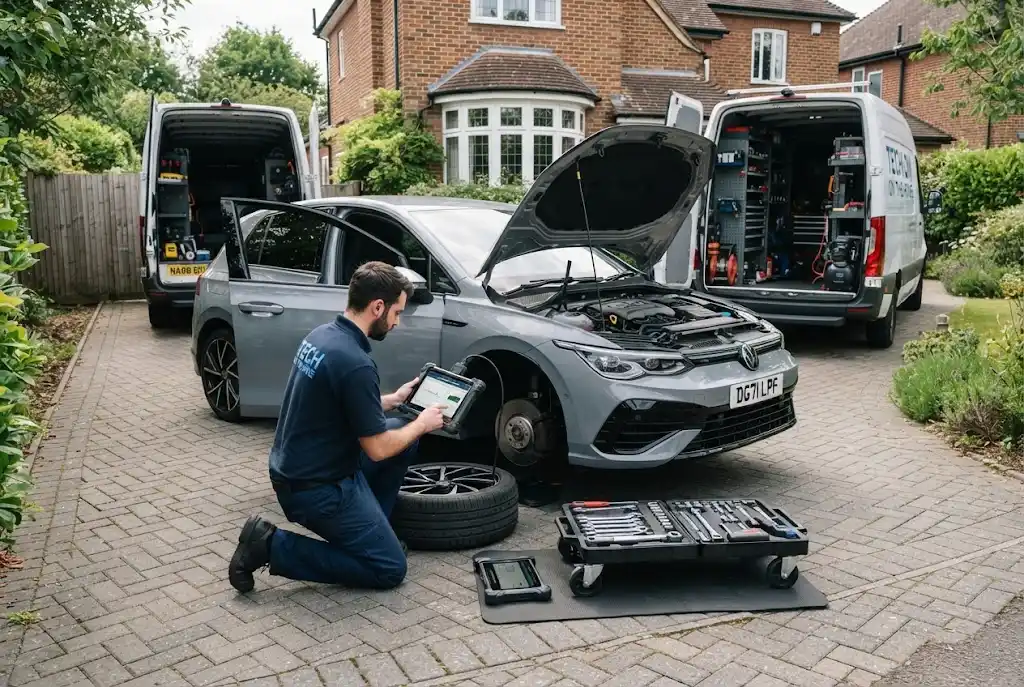
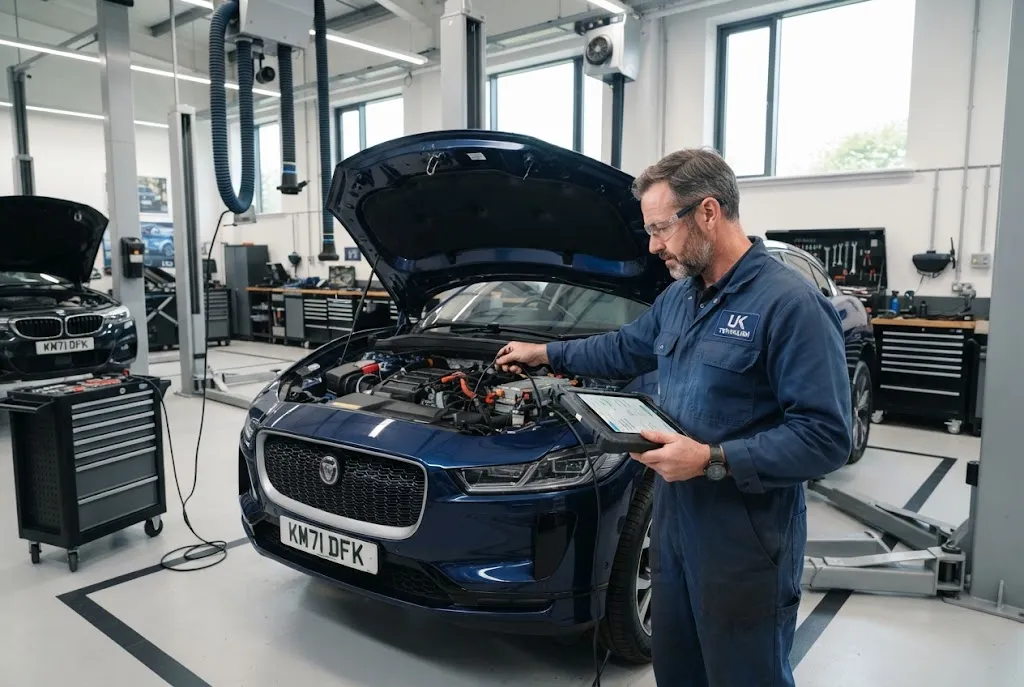
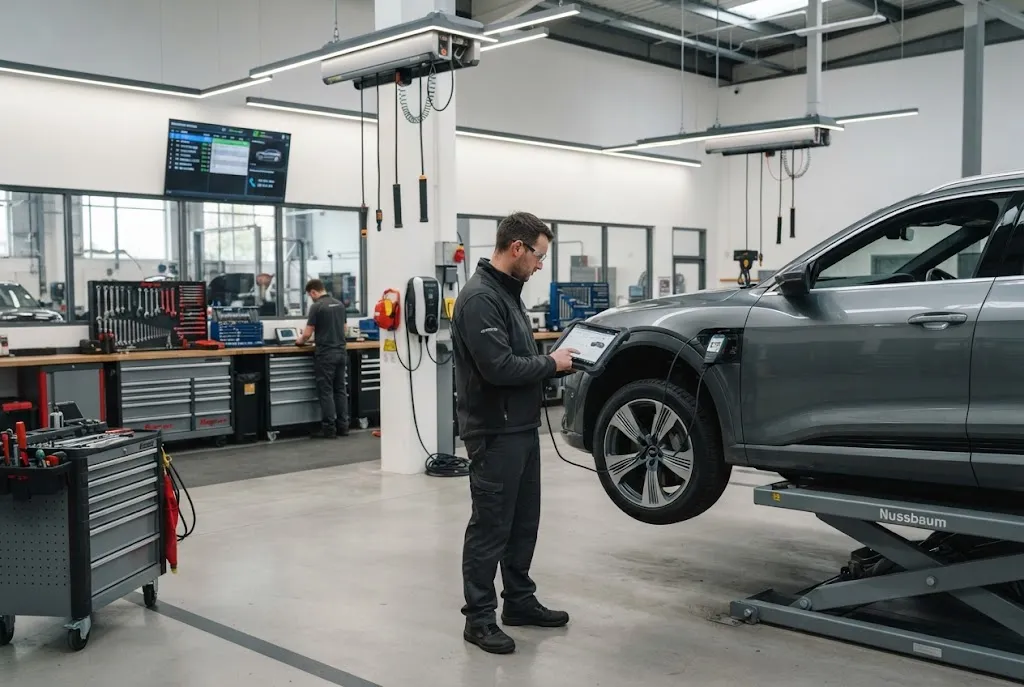
Advanced diagnostic platforms can help workshops identify faults, access technical information and work with increasingly complicated vehicle systems. Diagnostic technology is also becoming important for systems such as advanced driver assistance features.
Industry activity in 2026 has highlighted growing interest among independent workshops in advanced diagnostics and ADAS calibration equipment, reflecting the increasing complexity of modern vehicles. :contentReference[oaicite:2]{index=2}
This creates a clear need for continuous technician development. Purchasing equipment alone is not enough. Technicians need appropriate training and practical experience to interpret diagnostic information and complete repairs safely.
Training Is Becoming a Strategic Investment
As vehicle technology changes, technician skills must change with it. Automotive service companies need to consider training as an ongoing investment rather than a one-off expense.
Traditional mechanical knowledge remains valuable, but technicians may also need skills relating to electronics, software-based diagnostics, high-voltage systems, ADAS and connected vehicle technology.
This is particularly relevant to businesses preparing for greater hybrid and electric vehicle adoption. The transformation discussed in this article connects directly with future hybrid servicing and EV servicing, where specialist knowledge and appropriate safety procedures become increasingly important.
Businesses that develop these capabilities early may be better prepared to retain customers as their vehicles change.
Fleet Servicing Is Creating New Opportunities
Fleet customers can also influence the transformation of automotive service companies. Businesses operating several vehicles need predictable maintenance, efficient scheduling and clear records.
For a fleet operator, vehicle downtime can affect daily operations. Service providers therefore need to think beyond individual repair jobs and consider availability, maintenance planning and communication.
Digital workshop systems can help automotive businesses organise fleet appointments and maintain service records. Data can also make it easier to identify recurring issues and plan maintenance before problems become more disruptive.
The growing importance of fleet servicing was reflected in the 2026 Servicesure awards, which introduced a dedicated Fleet Garage of the Year category. :contentReference[oaicite:3]{index=3}
How Data Can Improve Automotive Business Decisions
Data is becoming another important part of automotive business innovation. Workshop operators can potentially use operational information to understand booking demand, technician utilisation, parts requirements and customer retention.
For example, a workshop may discover that certain appointment types consistently create scheduling bottlenecks. Management can then adjust technician allocation or booking durations.
Customer data can also support better communication. Rather than sending every driver the same message, businesses can use service history and vehicle information to make reminders more relevant.
However, data should be handled responsibly. Automotive businesses must consider privacy, security and appropriate access when collecting and storing customer and vehicle information.
Automotive Service Companies and the Move Towards Connected Workshops
The concept of a connected workshop brings many of these developments together. Instead of treating booking, vehicle inspection, diagnostics, invoicing and customer communication as separate activities, businesses can connect them through digital systems.
A connected workflow can begin when a customer makes an appointment and continue through vehicle reception, inspection, technician diagnosis, repair approval, invoicing and follow-up communication.
This can reduce duplicated data entry and make information easier to access across the business. For customers, it can create a more consistent experience.
Large garage networks have been developing these capabilities as part of broader garage chains innovation, but the same principles can be applied by independent workshops.
What Automotive Business Transformation Means for Customers
From a customer’s perspective, successful transformation should make vehicle servicing simpler rather than more complicated.
A motorist should be able to find appropriate services, make an appointment conveniently, understand what the workshop recommends and receive useful updates throughout the repair process.
Technology can help achieve these goals, but it should not become an obstacle. Customers should not have to navigate complicated systems simply to speak to a technician or understand a repair estimate.
The most effective automotive service companies will therefore use digital technology selectively. The objective is not to digitise every interaction. Instead, businesses should identify where technology genuinely improves convenience, accuracy, transparency or efficiency.
The Challenges of Automotive Industry Transformation
Transformation also brings challenges. Technology requires investment, staff need training and digital systems need ongoing maintenance.
There can also be resistance to changing established workshop processes. Technicians and managers who have worked successfully with traditional systems may need time to understand the benefits of new tools.
Cybersecurity and data protection are additional considerations. Connected systems can create operational benefits, but businesses must ensure that customer and business information is appropriately protected.
Another challenge is avoiding technology for technology’s sake. A new platform is only valuable if it solves a genuine operational or customer problem.
The Future of Automotive Service Companies
The transformation of automotive service companies is likely to continue as vehicles become more connected, electrified and software-dependent.
Workshops will need to balance traditional mechanical expertise with advanced diagnostics, digital systems and specialist training. Independent garages will remain an important part of the UK aftermarket, while larger networks will continue investing in scale, technology and customer convenience.
The future workshop may look different from the traditional garage, but the fundamentals will remain familiar. Customers still need competent repairs, trustworthy advice and fair treatment.
The difference is that these services will increasingly be supported by digital systems that make information easier to manage and share.
Why Innovation Will Shape the Next Generation of Workshops
Automotive business transformation is not a single technology or one major change. It is the gradual combination of better diagnostics, digital servicing, workshop automation, technician training, customer communication and smarter business processes.
For automotive service companies, the challenge is to bring these elements together without losing the human expertise that has always defined quality vehicle servicing.
The businesses best positioned for the future are likely to be those that understand both sides of the equation. They will use technology to improve efficiency and customer experience while continuing to invest in skilled people.
As the UK’s vehicle fleet evolves, this balance will become increasingly important. From independent garages to multi-site service networks, the automotive aftermarket is moving towards a more connected, data-informed and customer-focused model.