

Garage chains are changing the way motorists access vehicle servicing, repairs, tyres and other essential automotive services across the UK. While traditional workshop expertise remains important, leading automotive service networks are increasingly combining skilled technicians with digital tools, wider service networks and more convenient customer journeys.
From National Tyres & Autocare and Kwik Fit to ATS Euromaster, Halfords, Protyre and Fix Auto, the modern garage sector is becoming more connected and technology-focused. This shift is not simply about adding new equipment. It is about making workshops more efficient, preparing technicians for newer vehicles and giving motorists easier ways to book, communicate and manage vehicle maintenance.
As cars become more technologically advanced, innovation is becoming an important part of how garage chains compete. Digital bookings, vehicle information systems, mobile services, electronic inspections and technician training are all contributing to a different kind of workshop experience.
Why Garage Chains Are Changing
The UK automotive aftermarket is dealing with a vehicle parc that is becoming increasingly diverse. Drivers may own conventional petrol and diesel cars, hybrids, plug-in hybrids or fully electric vehicles, and each type can require different diagnostic knowledge, equipment and servicing procedures.
For large garage networks, this creates both a challenge and an opportunity. A business with many locations needs consistent processes while still responding to local customer needs. At the same time, workshops must invest in tools and training that allow technicians to work safely and effectively on newer vehicles.
This is one reason service innovation has become increasingly important. Modern workshop development can involve everything from digital customer communication to advanced diagnostic equipment and more efficient job management.
For motorists, the result can be a more convenient experience. Instead of viewing a garage simply as a place where a mechanic repairs a vehicle, customers increasingly expect online booking, clear updates, transparent recommendations and flexible service options.
How Digital Workshops Are Changing the Customer Journey
One of the clearest areas of innovation is the development of digital workshops. Digital technology can connect the customer, technician and workshop administration process more effectively, reducing unnecessary paperwork and making information easier to access.
Modern garage management platforms can support online bookings, vehicle records, job scheduling, customer reminders and digital vehicle health checks. These systems can help workshops organise their workload while giving customers more visibility into the work being recommended.
Digital vehicle health checks are particularly useful because technicians can record findings electronically and share information with customers. Measurements, photographs and inspection results can provide a clearer explanation of why a repair or maintenance job may be needed.
This approach also creates a more consistent record of vehicle care. Instead of relying entirely on handwritten notes or verbal explanations, workshops can build a digital history of inspections and completed work.
For smaller independent businesses, these developments are important too. Garage management technology is increasingly available to workshops of different sizes, allowing independent operators to adopt processes that were once more commonly associated with large chains.
Garage Chains and the Rise of Convenience
Convenience has become a major part of automotive service innovation. Customers may be able to research services online, choose a location, request a booking and receive updates without making several phone calls.
Large networks have an advantage because they can combine multiple locations and service capabilities. A customer who needs tyres, an MOT, servicing or repairs may be able to access several services through the same network.
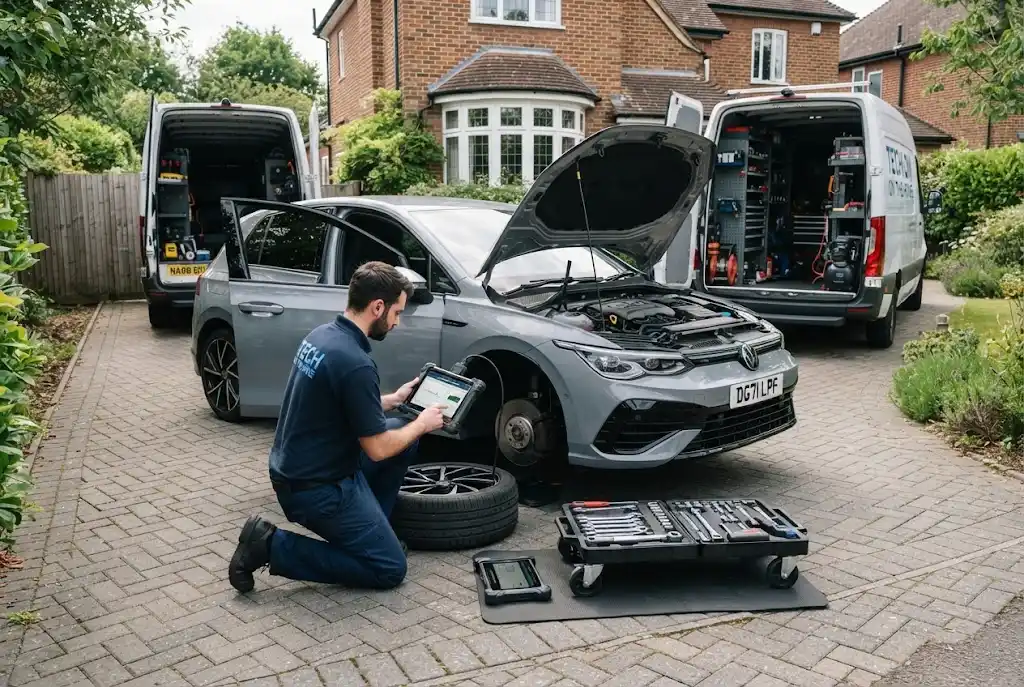
Mobile servicing is another example. Rather than requiring every customer to travel to a workshop, some automotive businesses have introduced services that can be delivered at a customer’s home or workplace. This model can be particularly useful for routine fitting and maintenance jobs where the required equipment can be taken directly to the vehicle.
Halfords, for example, highlights its Mobile Expert vans as part of its wider motoring service offering. The business also states that National Tyres & Autocare became part of the Halfords family in 2021, bringing National into a larger automotive service network. :contentReference[oaicite:0]{index=0}
These developments show how the traditional workshop model can be expanded beyond the physical garage site.
Kwik Fit and the Evolution of Fast-Fit Services
Kwik Fit provides an example of how a long-established automotive service business is positioning itself within a changing market. Its services cover areas such as tyres, brakes, exhausts, batteries, MOT testing, servicing and air conditioning.
The company says it has more than 600 centres across the UK and describes its future direction in terms of innovation in motoring technology, changing service requirements and more environmentally focused practices. :contentReference[oaicite:1]{index=1}
The broader lesson is that established garage chains cannot rely only on their historical reputation. They must continue adapting their services as vehicle technology, customer expectations and environmental priorities change.
This creates a competitive environment in which scale alone is not enough. A large network also needs trained technicians, suitable equipment, efficient booking systems and consistent customer service.
National Tyres & Autocare and Network Integration
National Tyres & Autocare demonstrates another important trend: integration within larger automotive groups.
The National is now part of the Halfords family and operates within a wider network that provides services including tyres, MOTs, repairs and servicing. Its offering also includes specialist support for business and fleet customers. :contentReference[oaicite:2]{index=2}
Network integration can create opportunities to share resources, training, technology and operational expertise. It can also make it easier for a larger automotive group to provide customers with a broader range of services.
For motorists, the value of this approach depends on how effectively the network maintains service quality while expanding its capabilities. Convenience is useful, but customers still expect competent technical work and clear communication.
ATS Euromaster and the Importance of Specialist Services
Garage chains do not all follow exactly the same business model. Some have developed strong positions around tyres and fast-fit maintenance, while others provide broader repair, servicing and bodywork capabilities.
ATS Euromaster is associated with tyre and automotive service operations, illustrating how specialist knowledge can remain important even as workshops become more digital.
The future workshop is therefore unlikely to be defined by technology alone. Digital systems can improve administration and communication, but technicians still need practical expertise, appropriate equipment and access to reliable technical information.
This balance between people and technology is one of the most important elements of modern automotive service development.
Halfords and the Wider Automotive Service Model
Halfords represents a broader retail and automotive service approach in which vehicle maintenance can sit alongside products, fitting services and mobile solutions.
Its integration of National Tyres & Autocare illustrates how established automotive businesses can combine different service channels. The company has also highlighted technician training for electric and hybrid vehicles as the vehicle market changes. :contentReference[oaicite:3]{index=3}
This matters because the transition towards electrified vehicles is changing the knowledge requirements of automotive technicians. Garage networks that invest early in training can be better positioned to support customers as the composition of the UK’s vehicle fleet evolves.
Protyre, Fix Auto and the Broader Network Approach
Garage innovation is not limited to the biggest national fast-fit businesses. Different automotive networks use different structures to connect workshops, technical expertise and customers.
Protyre, for example, operates within the tyre and automotive service market, while Fix Auto is strongly associated with vehicle body repair and repair-network operations. These businesses illustrate how specialist networks can develop their own processes and expertise around particular parts of vehicle ownership.
The wider market is also seeing growth in networks designed to support independent garages. These models can give locally owned workshops access to training, technical information, equipment and business support without requiring them to operate exactly like a national chain.
One example is 1TEC Auto Hub, which describes its network as locally owned workshops supported by automotive industry partners, technical resources and tools designed to help garages prepare for newer generations of vehicles. :contentReference[oaicite:4]{index=4}
Why Independent Garages Still Matter
The growth of garage chains does not mean independent workshops are disappearing. In many communities, independent garages continue to compete through personal service, local reputation, specialist knowledge and flexibility.
In fact, technology can help independent workshops compete more effectively. Online booking, digital inspections, automated reminders, customer relationship tools and professional invoicing can improve the experience without changing the personal relationship that customers value.
Some workshop networks are specifically designed to give independent garages access to shared resources while allowing them to remain locally owned. This creates an interesting middle ground between a completely independent workshop and a conventional national chain.
For customers, this means the choice is becoming broader. The best option may depend less on whether a garage is technically a chain or independent business and more on its expertise, equipment, reputation, communication and ability to service the particular vehicle.
Service Innovation Is Becoming More Data-Driven
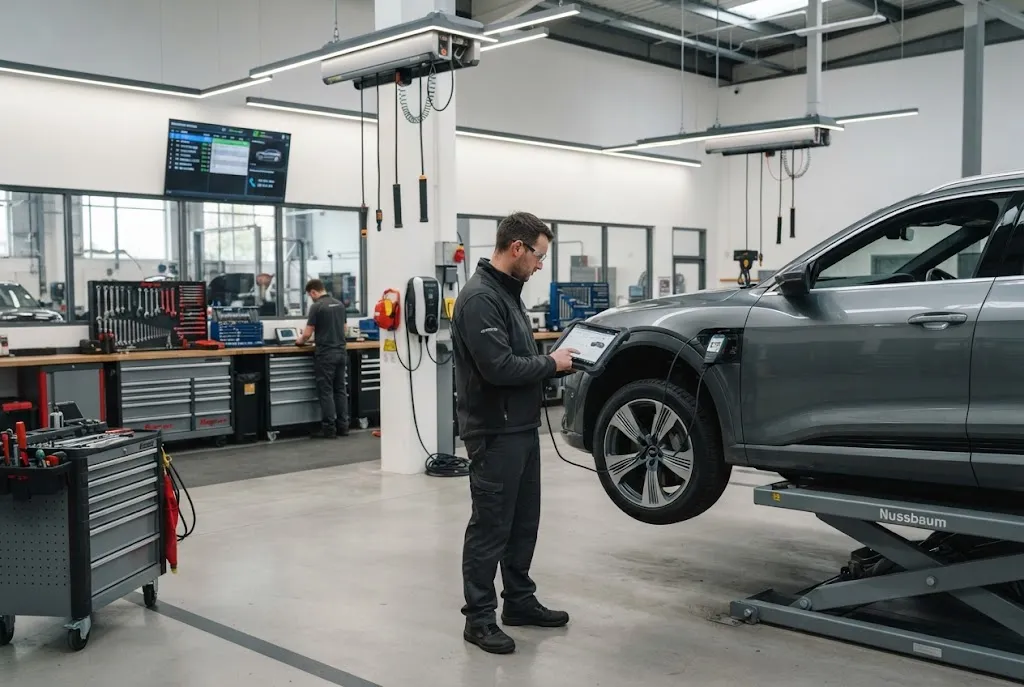
Another important development is the growing role of vehicle and workshop data. Modern diagnostic systems can provide technicians with more information about vehicle faults, while digital service records can make maintenance histories easier to manage.
Workshops can also use operational data to understand booking patterns, technician workloads, parts requirements and customer retention. When used responsibly, this information can help businesses reduce administrative delays and improve workshop efficiency.
Artificial intelligence and advanced diagnostics may become increasingly relevant as vehicle systems become more complex. However, these technologies should support qualified technicians rather than replace professional judgement.
The same principle applies to future automotive service companies. Businesses that combine technology with skilled people are likely to be better positioned than those that treat digital transformation as a purely software-based exercise.
Preparing for Hybrid and Electric Vehicles
Vehicle technology is one of the biggest reasons garage chains are investing in new capabilities. Hybrid and electric vehicles require different knowledge, safety procedures, diagnostic approaches and equipment compared with many conventional vehicles.
For garage networks, this means technician training is becoming a strategic issue rather than a simple operational requirement. Businesses need to make sure their workshops can safely handle the vehicles customers are increasingly bringing through their doors.
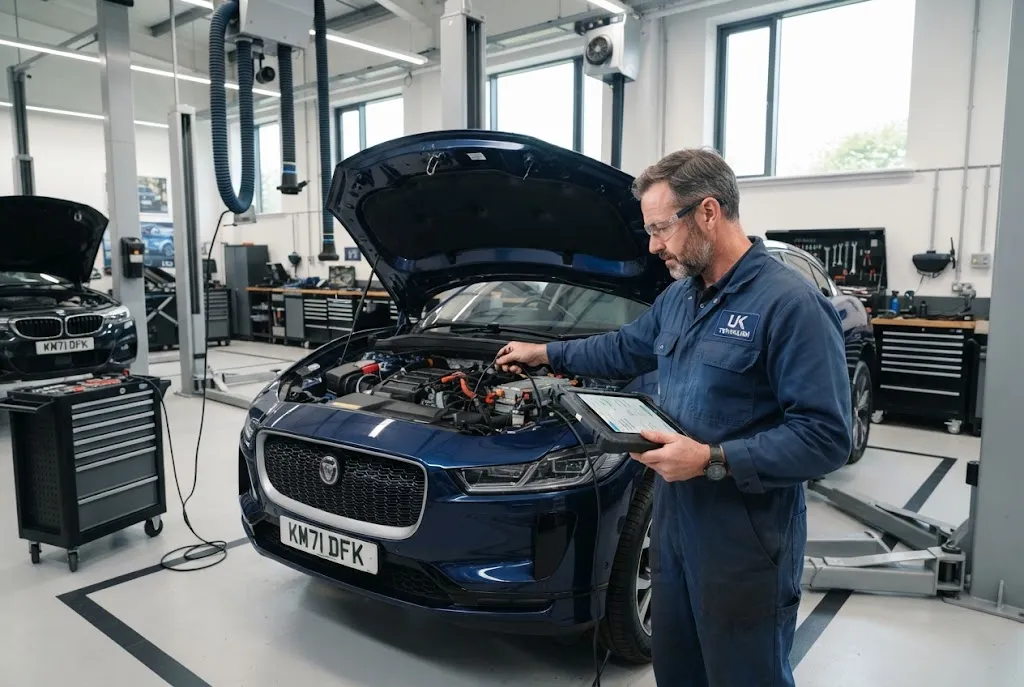
This development is closely connected to the future of hybrid servicing and EV servicing. As electrified vehicles become a larger part of the market, service providers will need to understand battery systems, high-voltage safety, electronic diagnostics and the specific maintenance needs of different vehicle designs.
Large networks may have an advantage because they can spread training programmes, equipment investments and technical resources across multiple locations. However, independent garages can also respond by joining professional networks, investing in training and adopting suitable workshop technology.
What Garage Innovation Means for UK Motorists
For drivers, the most useful innovations are often the ones that make vehicle maintenance easier without making it more complicated.
Online booking can reduce waiting time. Digital inspection reports can make recommendations easier to understand. Automated reminders can help drivers avoid forgetting routine maintenance. Mobile services can remove unnecessary trips to a workshop. Better diagnostic equipment can help technicians identify problems more efficiently.
At the same time, customers should not judge a garage purely by its digital features. A modern website or booking system cannot compensate for poor workmanship, unclear pricing or inadequate technical expertise.
The strongest garage businesses are likely to combine both sides of the experience: modern convenience for customers and strong technical standards behind the scenes.
The Future of Garage Chains in the UK
The future of garage chains will probably be shaped by several trends at the same time. Vehicle electrification will require new technical capabilities. Digital servicing will change how customers book and communicate with workshops. Advanced diagnostics will provide technicians with more information. Meanwhile, customers will continue to expect convenient, transparent and reliable service.
Garage chains therefore have an opportunity to evolve from traditional repair networks into connected automotive service businesses.
That does not mean every workshop needs to become highly automated. Instead, successful innovation is likely to focus on removing unnecessary friction. Better systems should help technicians spend more time working on vehicles and less time dealing with repetitive administration. Customers should receive clearer information without having to chase the garage for updates.
The same principle applies to independent workshops. Digital tools and professional networks can help smaller businesses adopt useful innovations while retaining their local identity.
Why Service Innovation Will Define the Next Workshop Era
The UK’s automotive service sector is entering a period where traditional mechanical expertise and digital capability increasingly need to work together. Garage chains are already experimenting with wider service networks, mobile solutions, digital customer journeys, technician training and technology-enabled workshop processes.
For motorists, this can lead to greater choice and convenience. For workshop operators, it creates pressure to invest in people, systems and equipment that match the vehicles of tomorrow.
Ultimately, the most successful garage chains will not necessarily be those with the most technology. They will be the businesses that use technology intelligently while maintaining trust, technical quality and customer-focused service.
As the UK vehicle market continues to evolve, garage innovation will remain an important part of how motorists maintain everything from conventional cars to hybrids and electric vehicles. The modern workshop is becoming more connected, more flexible and increasingly prepared for the changing demands of mobility.