

K-Beauty trends UK shoppers are following in 2026 show just how far Korean beauty has travelled. What began as a niche interest among skincare enthusiasts is now a visible force in British beauty routines, from high-street shelves to online shopping baskets. Korean skincare, makeup and haircare influences shape what UK consumers buy, how they build routines and which ingredients they ask about. This guide explains the K-Beauty trends shaping British beauty right now, what lies behind them, and how to approach them sensibly.
What Is K-Beauty and Why Has It Caught On?
K-Beauty, short for Korean beauty, refers to beauty products, routines and philosophies that originated in South Korea. Its reputation rests on a skin-first approach: rather than covering imperfections, K-Beauty emphasises healthy, well-cared-for skin as the foundation of beauty. Routines tend to be gentler and more layered than traditional Western routines, with several lightweight products used in sequence rather than a single heavy cream.
Several factors explain its UK popularity. Korean products often combine thoughtful formulation with accessible prices, and their textures — light essences, gel creams and cushion compacts — feel different from many Western equivalents. Social media has played a large part too, with skincare routines and product reviews travelling quickly across platforms. But the deeper appeal is philosophical: K-Beauty treats skincare as a daily habit to enjoy rather than a chore or a quick fix, and that attitude resonates with British shoppers who are increasingly interested in understanding their skin. That shift towards calmer, better-informed routines is visible across the wider market, as our guide to skincare trends in the UK shows.
K-Beauty Skincare Trends in the UK
Within skincare, several K-Beauty influences stand out in current UK routines. One is the continued interest in gentle, barrier-supporting care: products designed to keep skin comfortable and resilient rather than pushing it hard with strong actives. Another is ingredient curiosity. UK shoppers increasingly recognise ingredient names associated with Korean formulations, including centella, a plant extract long used in Korean skincare, and newer names such as PDRN, exosomes and EGF that appear in current international trend discussions. It is worth approaching novel ingredients with sensible caution: a fashionable name is not proof of benefit for your skin, and established, well-understood ingredients remain the safest foundation of any routine.
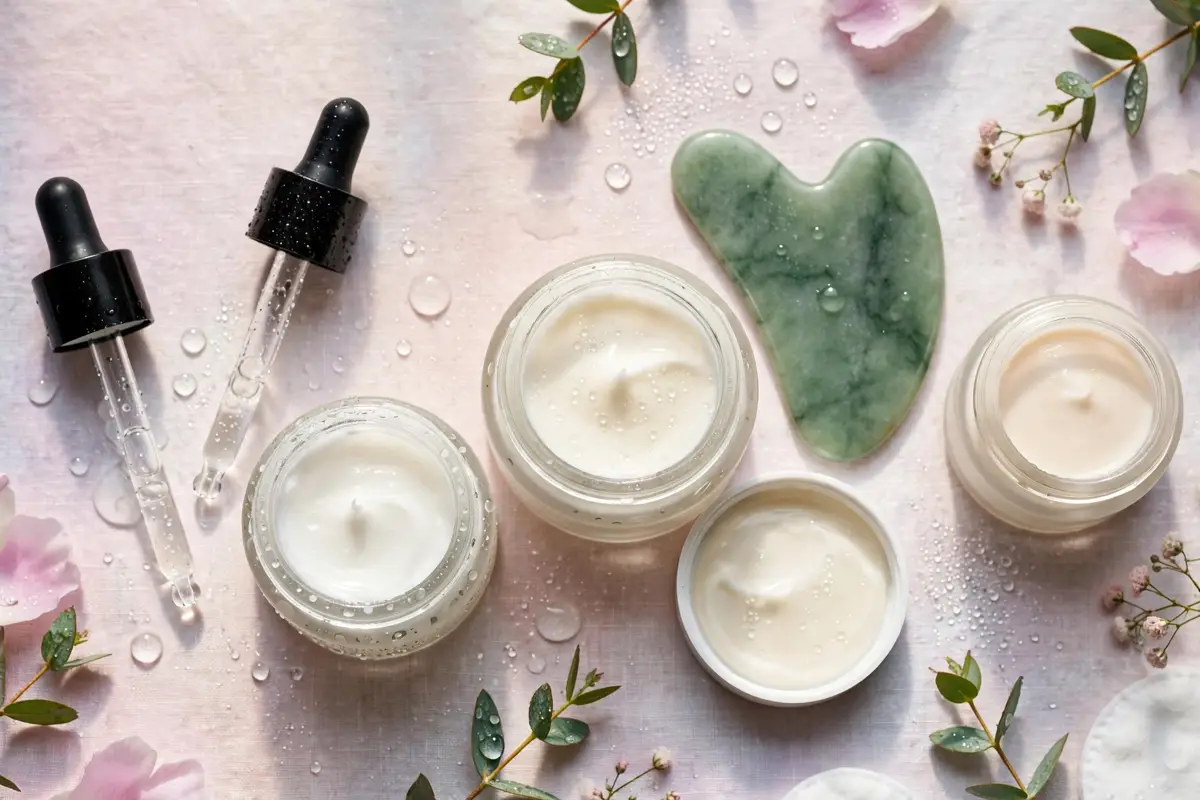
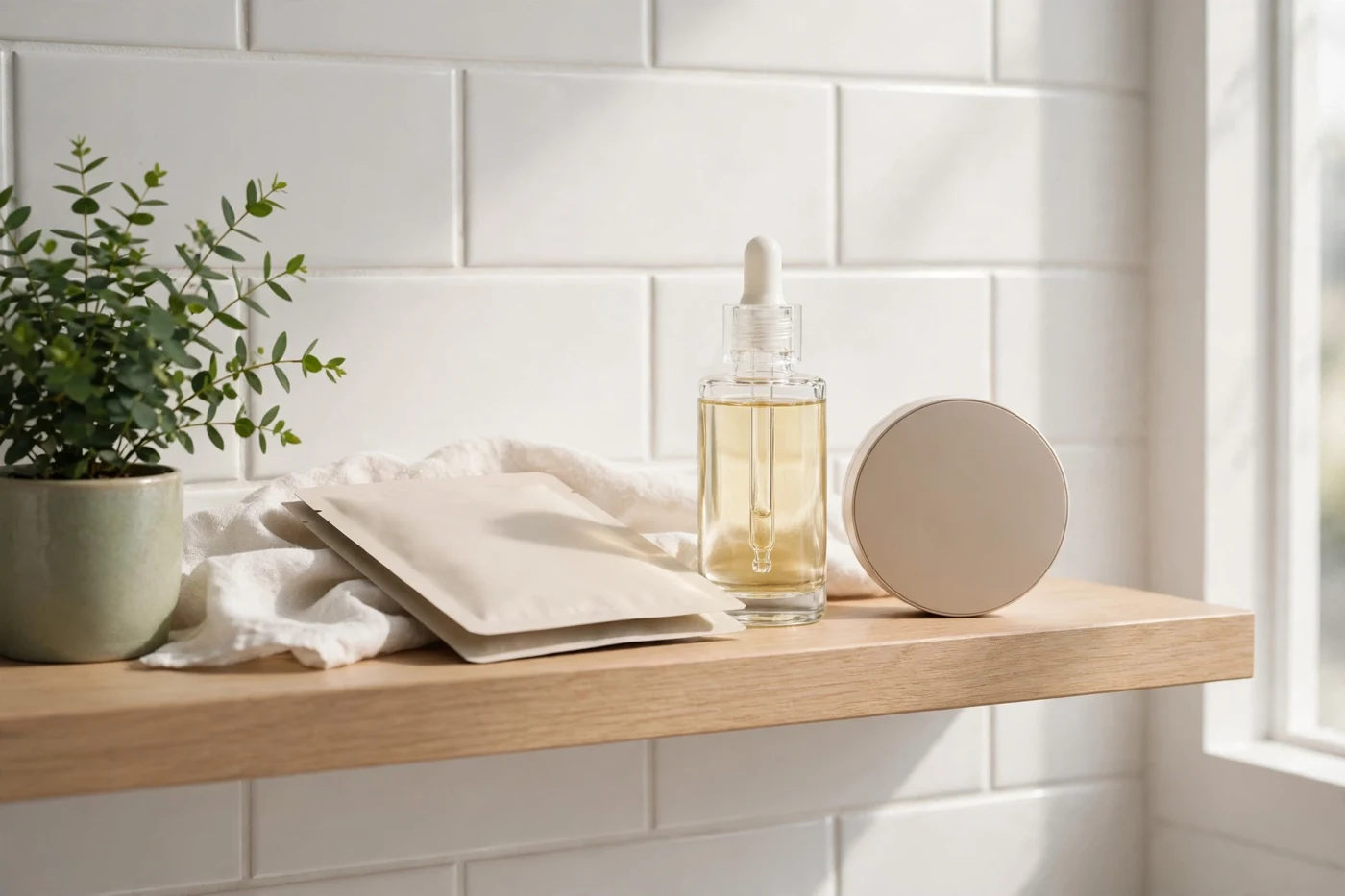
Texture and format trends also matter. Lightweight essences, sleeping masks, sheet masks and cushion products all reflect the Korean emphasis on layering and comfort. These formats suit the British climate well, where heavy products can feel uncomfortable and lighter layers adapt better to changing weather. The beauty research behind modern skincare increasingly supports the idea that consistency and gentleness matter more than aggressive routines, which aligns neatly with the K-Beauty philosophy.
Korean Makeup, Haircare and Fragrance Influences
Beyond skincare, Korean influences are visible in makeup, haircare and fragrance. K-Beauty makeup tends to favour natural finishes: dewy skin, soft colour and a fresh, healthy look rather than heavy coverage. Cushion foundations, lip tints and softly blurred eye looks all reflect that preference, and they have found a receptive audience among UK shoppers who want makeup that looks like skin rather than a mask.
K-Haircare is an emerging influence, applying the same skin-first thinking to the scalp and hair: gentle cleansing, scalp care and lightweight treatments rather than harsh styling routines. K-Fragrance, meanwhile, brings softer, cleaner scent profiles that contrast with heavier Western perfumes. None of these trends requires a complete routine overhaul. Most UK shoppers adopt K-Beauty influences selectively, adding a product or two to an existing routine rather than replacing everything at once, which is usually the wisest approach.
How UK Shoppers Buy K-Beauty
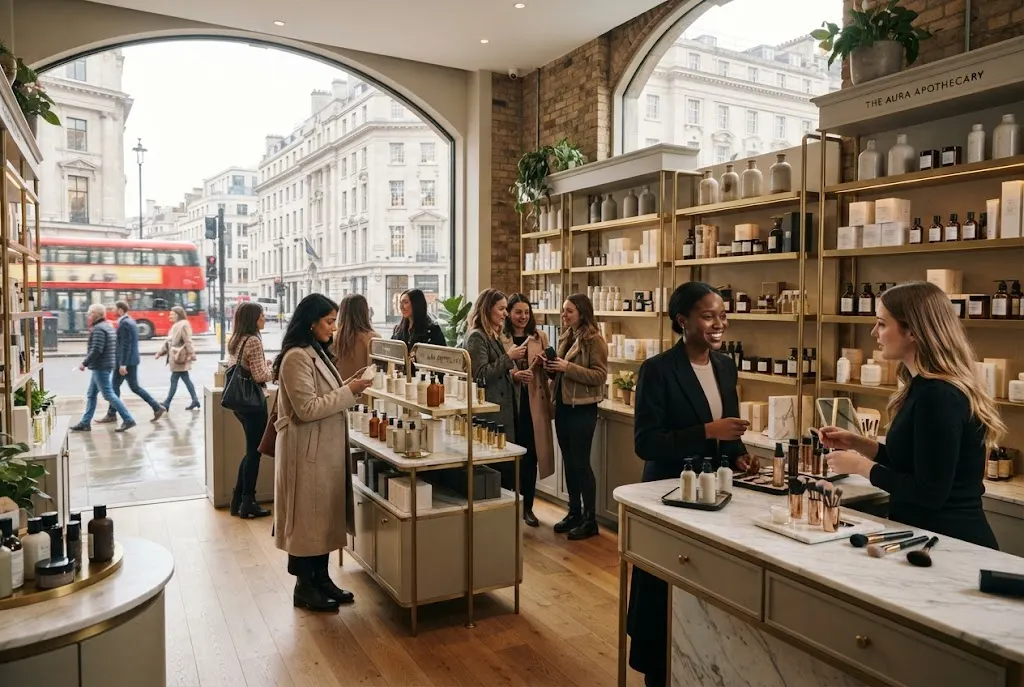
Buying K-Beauty in the UK is easier than it once was. Specialist online retailers, high-street stores and larger beauty retailers now stock Korean brands, and the range available has grown considerably. When shopping, a few habits help. First, check that products are genuine and sourced through reputable sellers, since popular products attract imitations. Second, read ingredient lists rather than relying on trend names alone, and patch-test new products, especially if your skin is sensitive. Third, be patient: skincare needs weeks to show its effects, and judging a product after a single use tells you little.
It also helps to understand the wider context. Korean beauty does not exist in isolation; it sits within a British beauty culture that blends many influences, from French pharmacy traditions to American trends. Our overview of British beauty culture explores how those influences mix, and London beauty shows how trends, salons and shopping come together in the capital. K-Beauty is one strong current within that mix, not the whole story.
What to Watch in K-Beauty Next
Looking ahead, several directions seem likely. Personalisation is growing, with routines tailored more closely to individual skin needs. Sustainability is becoming more prominent, as shoppers ask how products are packaged and sourced. And the boundary between skincare, makeup and wellness continues to blur, with products that aim to care for skin while also providing colour or coverage. The UK beauty industry as a whole is evolving quickly, and our coverage of UK beauty industry news tracks those broader changes.
For shoppers, the sensible approach to K-Beauty trends is the same as for any beauty trend: try what interests you, judge products by how your skin responds over time, and build a routine around what genuinely works rather than what is most talked about. Trends come and go, but healthy, comfortable skin remains the goal underneath them all.
K-Beauty Trends UK: The Bottom Line
K-Beauty trends in the UK reflect a genuine shift towards gentler, more informed and more enjoyable skincare, alongside growing interest in Korean makeup, haircare and fragrance. The trends worth following are the ones that improve your own routine: lighter textures, barrier-friendly care, thoughtful ingredient choices and products you enjoy using consistently.
Approach the hype with curiosity rather than urgency. Sample products properly, give them time, and keep the parts of your routine that already work. Done that way, K-Beauty influences can refresh a routine without overwhelming it, and the best of Korean beauty — patience, gentleness and attention to skin health — becomes part of your everyday habits rather than a passing phase.