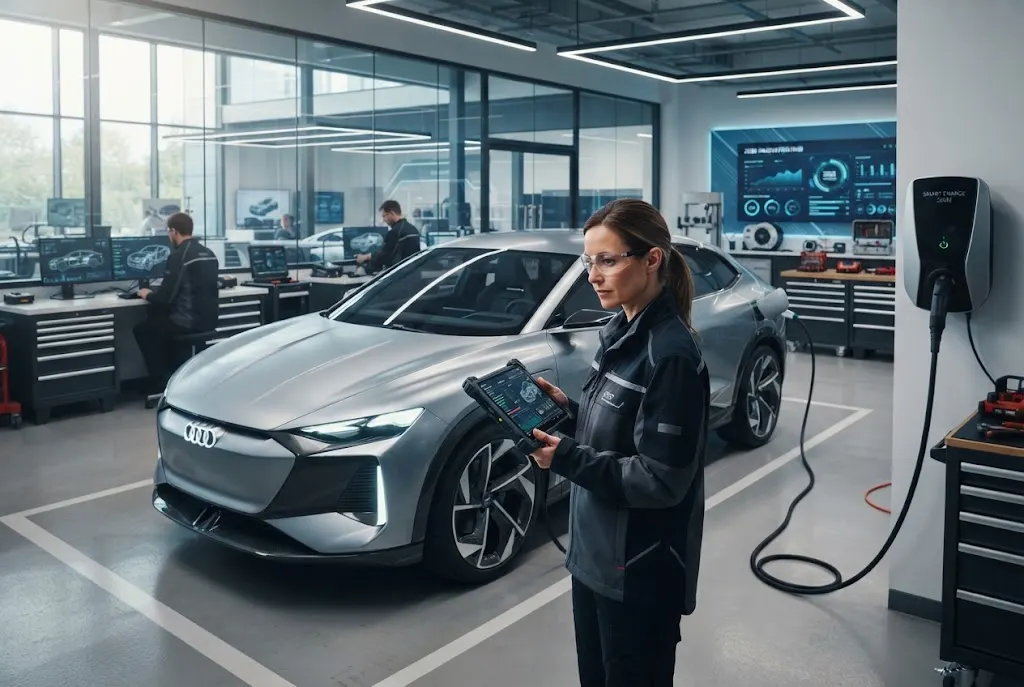


Automotive trends in 2026 are reshaping how vehicles are designed, maintained and used. Cars are becoming increasingly connected, software-driven and dependent on digital systems, while artificial intelligence, electric vehicle technology and predictive diagnostics are influencing the way drivers think about maintenance.
These changes are not limited to the vehicles themselves. Automotive businesses are also adapting through digital garages, mobile servicing, smarter inspection technology and new approaches to customer support. For UK motorists, understanding these developments can provide useful context when choosing a vehicle, arranging maintenance or planning future ownership costs.
The future of motoring will not be defined by one technology alone. Instead, several developments are converging to create a more connected and information-driven automotive experience.
Why Automotive Trends Matter in 2026
The modern car is very different from the purely mechanical vehicles of previous generations. Electronic control units, sensors, software and connectivity now play important roles in many vehicles.
This creates both opportunities and challenges. Drivers can benefit from improved information, convenience and vehicle functionality, while technicians need increasingly specialised knowledge and diagnostic equipment.
At the same time, consumers are expecting automotive services to become more convenient. The growth of mobile auto service is one example of how the industry is responding to this demand.
Smart Vehicles Are Becoming More Connected
One of the most significant automotive trends is the increasing connectivity of vehicles. Modern cars can use sensors, communication systems and onboard software to monitor numerous aspects of vehicle operation.
Connected features can provide drivers with information about vehicle status, navigation, entertainment and maintenance. Depending on the vehicle, some information may also be transmitted to connected services or manufacturer platforms.
Connectivity can make vehicle ownership more convenient, but it also increases the importance of data security and responsible handling of vehicle information. As cars become more connected, software and cybersecurity will become increasingly relevant parts of automotive ownership.
AI Servicing Is Changing Automotive Maintenance
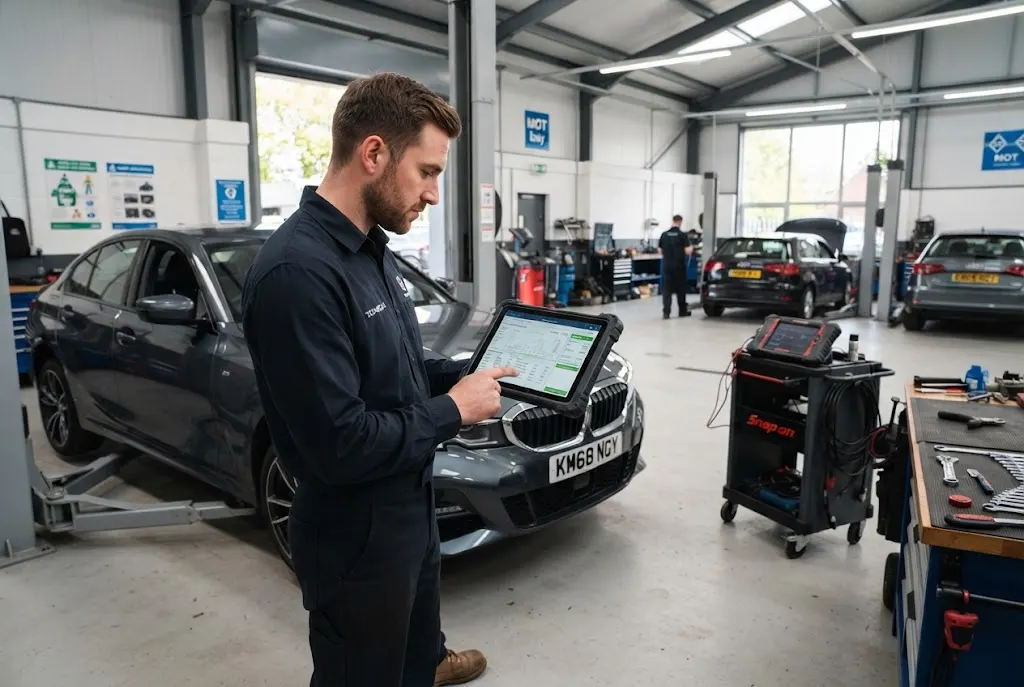
Artificial intelligence is beginning to influence automotive maintenance by helping analyse large volumes of information. AI-assisted systems can potentially identify patterns, support diagnostic processes and help technicians prioritise areas that deserve further investigation.
AI servicing should not be viewed as a complete replacement for professional automotive expertise. A computer can highlight an anomaly, but technicians still need to understand the physical vehicle and determine the appropriate course of action.
The strongest model is therefore likely to combine intelligent software with human experience. This can help technicians work with more information while retaining professional judgement at the centre of the repair process.
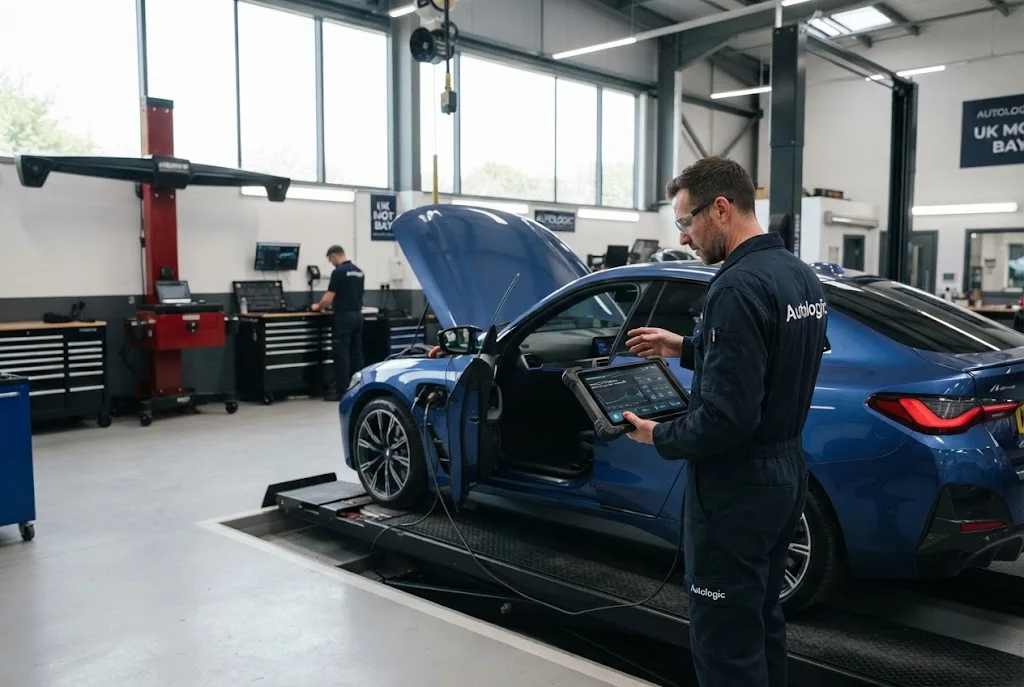
These developments build directly on the growth of auto inspection services, where digital diagnostics and advanced inspection technology are increasingly important.
Predictive Diagnostics Could Change Vehicle Maintenance
Traditional maintenance often follows a scheduled approach. Drivers follow recommended service intervals and respond to problems when warning signs appear.
Predictive diagnostics offers another possibility. By analysing available vehicle information, systems may help identify unusual patterns or potential issues before a component develops into a more serious problem.
The objective is not necessarily to repair everything at the first sign of a change. Instead, predictive diagnostics can give technicians and owners more information to decide when further testing or maintenance may be appropriate.
This approach could eventually make maintenance more proactive, helping drivers understand their vehicle’s condition rather than relying entirely on fixed schedules or unexpected warning lights.
EV Maintenance Is Creating New Requirements
Electric vehicles are another major force behind current automotive trends. Their powertrains differ substantially from conventional petrol and diesel vehicles, which affects maintenance requirements.
EV maintenance can involve areas such as high-voltage systems, battery-related components, electric motors, charging equipment, thermal management and sophisticated electronic systems.
At the same time, electric vehicles still require attention to conventional areas such as tyres, brakes, suspension, steering and other components. The transition to electric mobility therefore changes some maintenance requirements without eliminating the need for professional vehicle care.
As EV ownership grows, technicians and service providers will need appropriate training, equipment and safety procedures to work with these vehicles effectively.
Connected Cars Are Generating More Vehicle Data
Connected cars can provide more information about vehicle operation than many older vehicles. Sensors and electronic systems can monitor a wide range of functions, creating opportunities for more informed maintenance.
More data can help service providers understand a vehicle’s history and potentially identify patterns that would be difficult to recognise through occasional inspections alone.
However, more information also creates a responsibility to communicate clearly with vehicle owners. Drivers should understand what a diagnostic result means, whether an issue is confirmed and what action is actually recommended.
This makes transparency increasingly important as automotive services become more technology-driven.
Digital Garages Are Modernising the Customer Experience
The traditional garage is also changing. Digital garages can use online systems for booking, customer communication, service records and other parts of the maintenance process.
For customers, digital systems can make it easier to schedule appointments and keep track of previous work. For automotive businesses, they can help organise customer information and communicate more efficiently.
Digital transformation does not mean that physical workshops are becoming unnecessary. Instead, technology is being added around the workshop to improve the overall customer experience.
Mobile Services Are Part of the Wider Shift
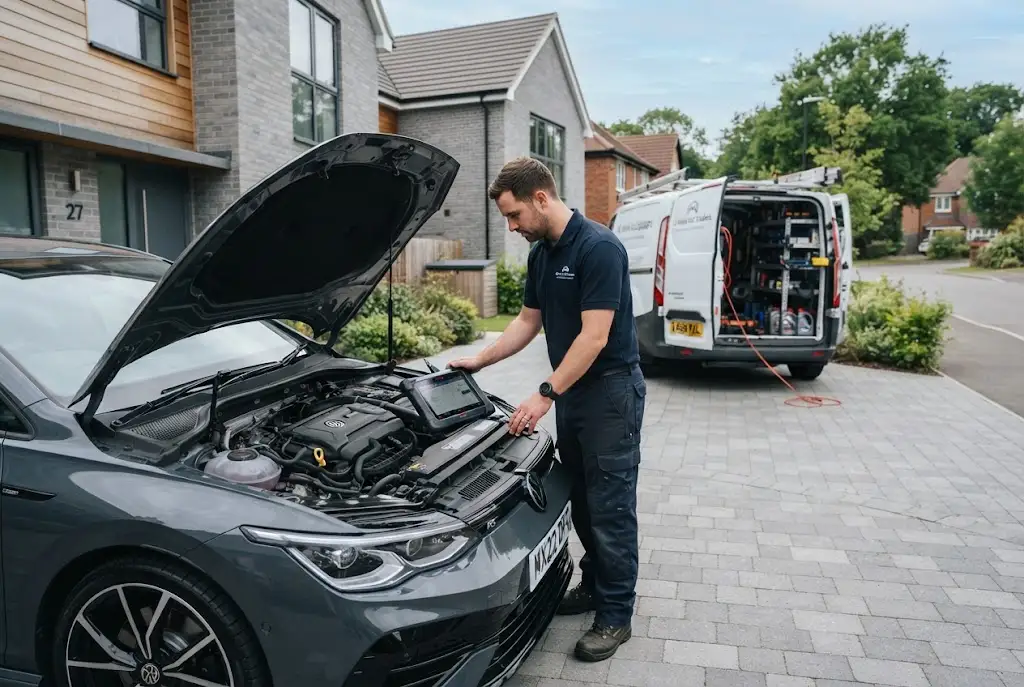
Convenience is a recurring theme across modern automotive trends. Mobile mechanics, home servicing and on-demand repairs allow suitable work to be carried out closer to where customers live or work.
The growth of mobile services is particularly relevant for routine maintenance and certain repairs that can safely be completed without workshop equipment. More complex work may still require a traditional garage.
For consumers, the important point is choice. The future automotive service market is likely to include a mixture of fixed workshops, mobile technicians and digital platforms rather than one model replacing all others.
Smart Maintenance Can Support Better Ownership
Smart maintenance brings together several of these developments. Instead of treating servicing as an isolated event, drivers can use vehicle information, digital records, inspections and maintenance reminders to develop a more organised ownership routine.
Regular inspections can help identify potential issues, while service records provide useful historical information. Appropriate maintenance can then be scheduled according to the vehicle’s requirements.
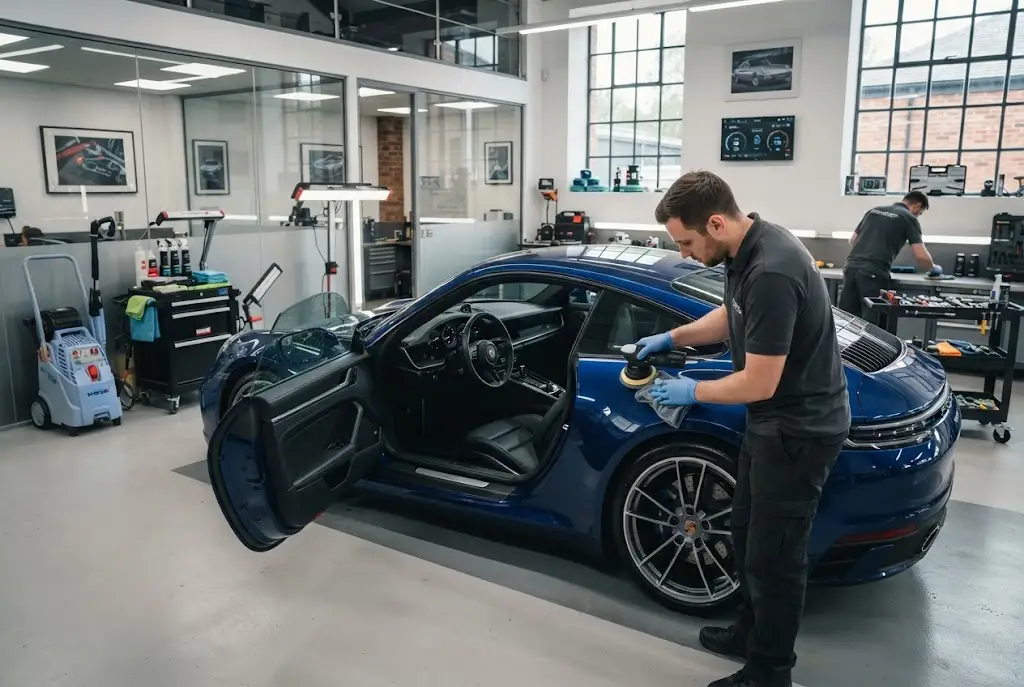
This approach complements modern auto care services, including professional detailing, vehicle care and digital service options.
It can also support financial planning. Understanding maintenance requirements and likely car service cost can help drivers prepare for routine expenses rather than treating every service appointment as an unexpected financial event.
Mobility Innovation Is Expanding Beyond Traditional Cars
Automotive innovation is also connected with broader changes in mobility. Consumers increasingly have access to different ways of travelling, while technology is influencing how vehicles interact with roads, infrastructure and digital services.
Connected systems can support navigation, communication and vehicle monitoring, while advances in electrification are changing the types of vehicles available to consumers.
These developments suggest that future transport will involve more than simply improving the traditional car. The wider mobility ecosystem is becoming increasingly digital and interconnected.
What These Automotive Trends Mean for Drivers
For motorists, technological progress can bring useful benefits, but it also changes what responsible vehicle ownership looks like.
Drivers may need to become more comfortable with digital service records, diagnostic information and software-related vehicle features. Choosing a service provider may increasingly involve checking whether technicians have the appropriate tools and expertise for a particular vehicle.
Electric and connected vehicles can also require owners to understand new maintenance considerations. Even when a vehicle appears to be operating normally, following the appropriate manufacturer’s maintenance guidance remains important.
Technology Will Not Replace Basic Vehicle Care
Despite the rapid development of automotive technology, fundamental vehicle care remains essential. Tyres still need checking, brakes still require attention and mechanical components still wear over time.
Digital tools can improve visibility and efficiency, but they cannot eliminate the need for physical inspections and professional judgement.
The most effective future service model is therefore likely to combine traditional automotive expertise with modern technology. Technicians can use digital diagnostics and intelligent systems while continuing to physically inspect vehicles and assess their condition.
The Automotive Service Industry Is Becoming More Data-Driven
The convergence of AI, connected vehicles, predictive diagnostics and digital service platforms is creating a more data-driven automotive industry.
This can improve the information available to both service providers and vehicle owners. Instead of relying exclusively on a vehicle’s age or a fixed mileage interval, future maintenance decisions may increasingly consider a combination of service history, diagnostic information and vehicle-specific conditions.
However, the quality of the decision will still depend on the quality of the information and the expertise used to interpret it.
What the Future of Motoring Could Look Like
The next stage of automotive development is likely to be defined by integration. Smart vehicles will communicate more information, AI systems will help analyse it, digital garages will manage service interactions and mobile providers will offer greater convenience.
EV maintenance will continue developing as electric vehicles become more established, while predictive diagnostics may gradually change how drivers approach potential problems.
These technologies are unlikely to arrive as one dramatic transformation. Instead, they will gradually become normal parts of vehicle ownership and automotive servicing.
Preparing for the Next Generation of Automotive Services
Drivers do not need to adopt every new technology immediately. A sensible approach is to understand which developments are relevant to their vehicle and use technology where it genuinely improves safety, maintenance or convenience.
Keeping service records organised, responding to warning signs, using qualified professionals and following appropriate maintenance schedules remain good practices regardless of the vehicle’s technology.
For newer vehicles, it can also be worthwhile choosing service providers with experience of the relevant powertrain and electronic systems. This becomes particularly important for electric and highly connected vehicles.
The Direction of Automotive Trends in 2026 and Beyond
The most important automotive trends are moving the industry towards greater connectivity, smarter diagnostics and more flexible servicing. AI servicing, EV maintenance, connected cars and digital garages are already influencing the automotive landscape, while predictive diagnostics could make vehicle maintenance increasingly proactive.
For drivers, the result should be a more informed approach to vehicle ownership. Technology can provide better information, while professional technicians remain responsible for interpreting that information and carrying out appropriate work.
The future of motoring will therefore not simply be about cars becoming more advanced. It will also be about creating a better relationship between vehicles, drivers, technicians and digital services.
As these technologies mature, motorists can expect automotive services to become more connected, convenient and personalised. The businesses that successfully combine reliable automotive expertise with useful technology will be well positioned to meet the changing expectations of modern vehicle owners.