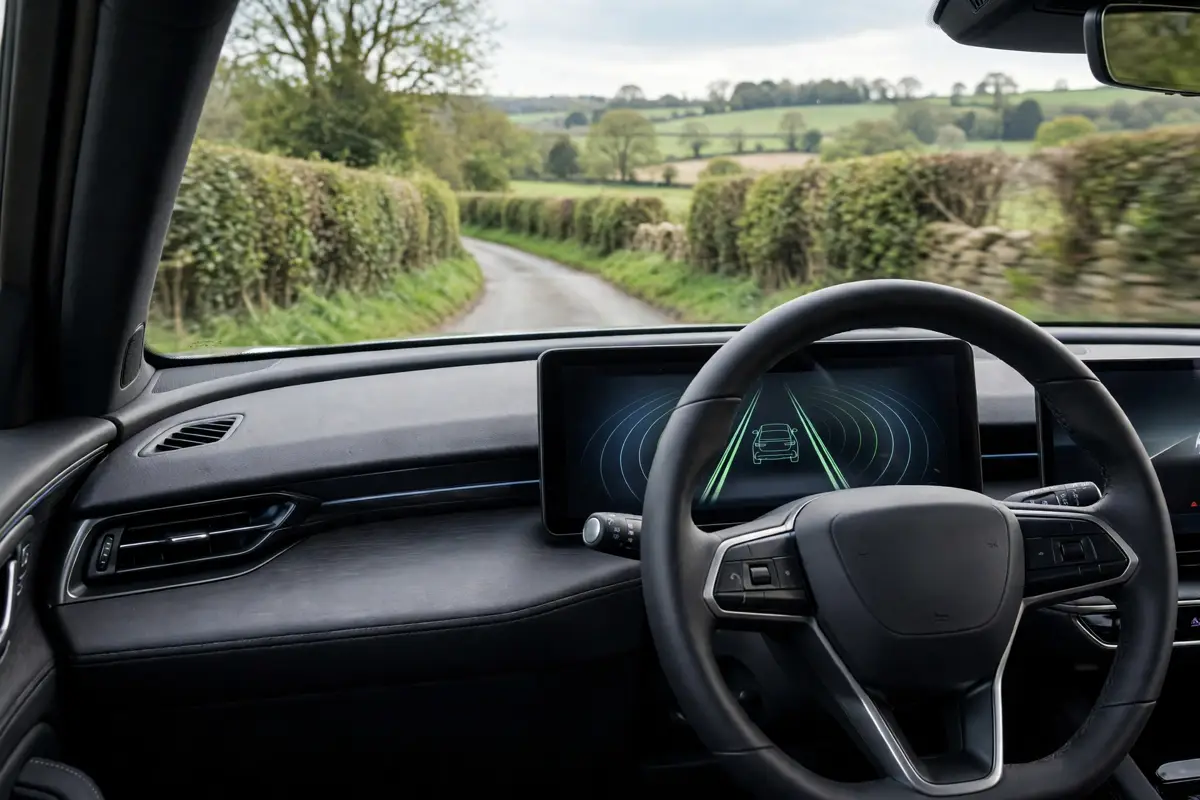


Road safety in the UK is changing, and much of that change is now happening inside the car itself. Where drivers once relied mainly on signs, markings and their own judgement, modern vehicles add cameras, sensors and software that watch the road, warn about hazards and help keep a car in good condition. For a UK driver, that shift matters on every journey, from a short trip to the shops to a long motorway drive.
If you want to understand what these systems do, and what they do not do, this guide explains the main ideas in plain terms. It looks at driver assistance, connected vehicles, AI diagnostics, vehicle inspections and maintenance technology, and it explains why good habits still matter most. Smarter technology can support safer travel, but it works best alongside an alert driver and a well-kept car.
Driver Assistance and Everyday Road Safety
Driver assistance is now a familiar part of many new cars, and it is also appearing in more used cars as they change hands. These systems use cameras, radar and other sensors to monitor the road around the vehicle. They then warn the driver, or in some cases act briefly, when they sense a risk developing ahead, beside or behind the car.
Three examples show how the idea works in practice. Lane keeping support helps a driver stay within a marked lane, with a warning or gentle steering input if the car drifts. Automatic emergency braking can apply the brakes if the system judges that a collision is likely and the driver has not reacted. Blind-spot monitoring warns about a vehicle sitting where mirrors alone may not reveal it, which is especially useful when changing lanes.
None of these features drives the car for you. Instead, driver assistance works as an extra layer of attention. It can be most helpful when a driver is tired, distracted for a moment, or faced with poor visibility. Even so, its limits matter. Sensors need a clear view, lane markings must be visible, and weather can affect how well a system sees. Understanding those limits is part of using the technology well.
Connected Vehicles: Cars That Share What They See
Connected vehicles take the idea one step further. Rather than relying only on what one car can sense, a connected car can send and receive useful information. That information might relate to the vehicle itself, to traffic conditions, or to a hazard on the road ahead. In simple terms, the car becomes part of a wider conversation.
For road safety, the value lies in earlier warning. A warning about slow traffic, a breakdown, poor weather or a difficult junction is more useful if it arrives before the driver reaches the problem. That extra time allows a driver to slow down smoothly, leave a bigger gap, or choose a different route. Calmer decisions tend to be safer decisions.
Connectivity also helps manufacturers and garages understand how vehicles are performing. Software can be improved, faults can be spotted in patterns, and important updates can be highlighted to owners. As with any connected service, drivers still need clear information about what data is shared and why. Trust matters, and clear choices help drivers feel in control of their own vehicle.
AI Diagnostics and the Rise of Predictive Safety
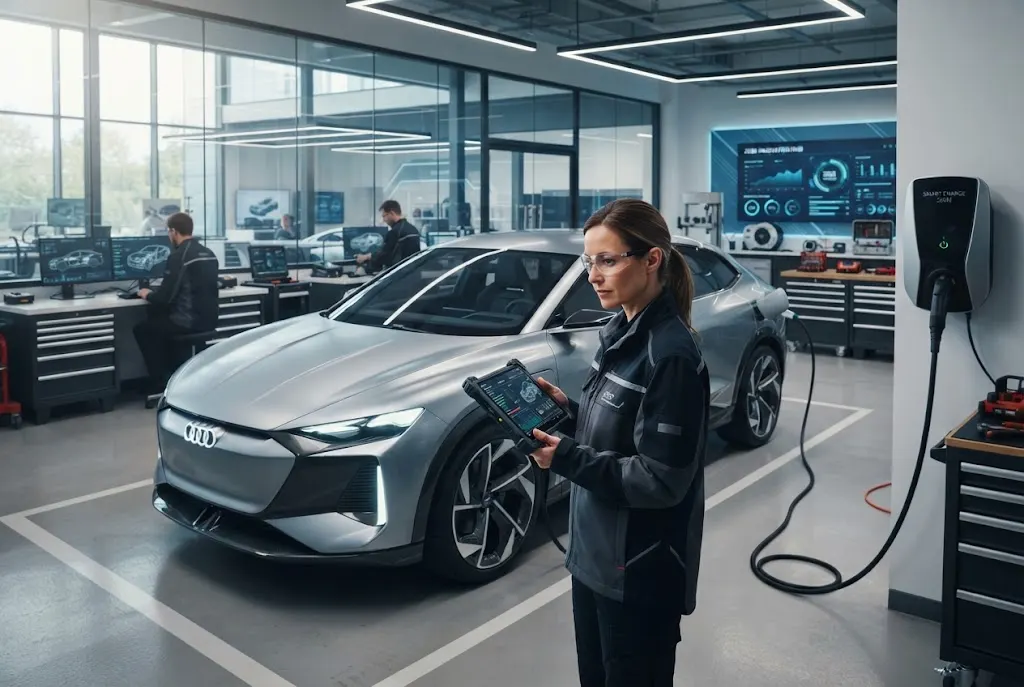
A fault rarely appears without warning. There may be a new noise, a change in how the car feels, a warning light, or a pattern in the data the car collects. AI diagnostics helps make sense of those signals. It compares information from the vehicle with known fault patterns, so a garage, or the driver, can act before a small issue becomes a serious problem.
From Warning Lights to Early Warnings
This is where predictive safety begins. Instead of waiting for a breakdown, predictive safety aims to predict which part may need attention and when. A battery that is weakening, brakes that are wearing, or a sensor that behaves oddly can be flagged for checking. Our guide to how AI is changing diagnostics in auto inspection services explores this shift in more detail.
The safety benefit is practical rather than dramatic. A car that is checked in good time is less likely to fail in a dangerous place, lose power in traffic, or develop a fault that affects braking, steering or lights. Predictive safety does not remove the need for repairs. Rather, it moves the timing forwards, so work can be planned calmly instead of handled as an emergency.
Maintenance Technology That Keeps Cars Roadworthy
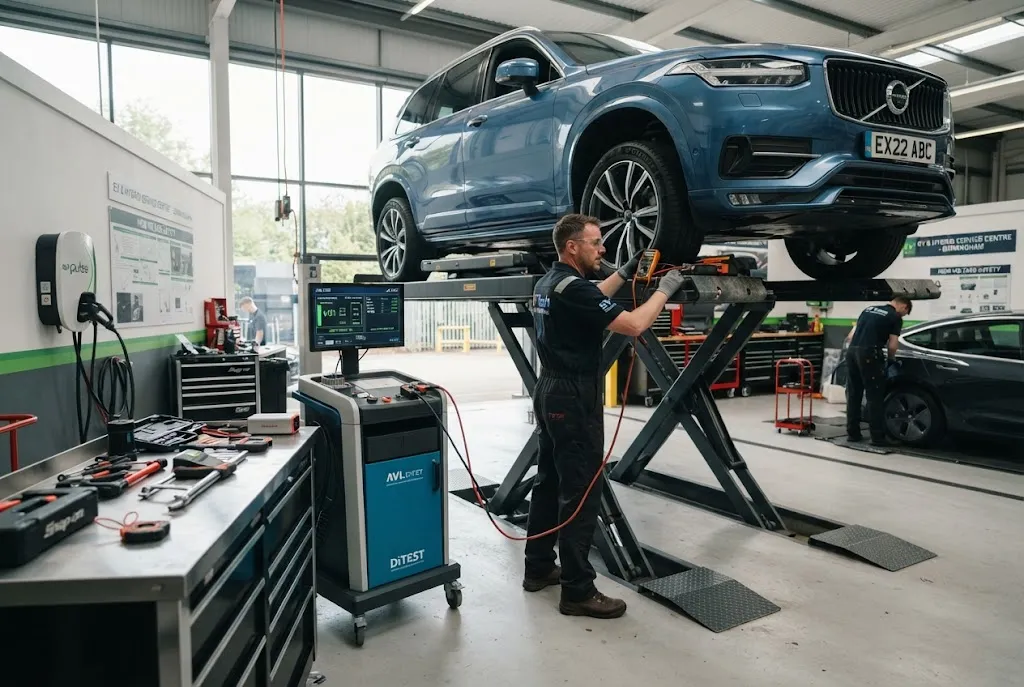
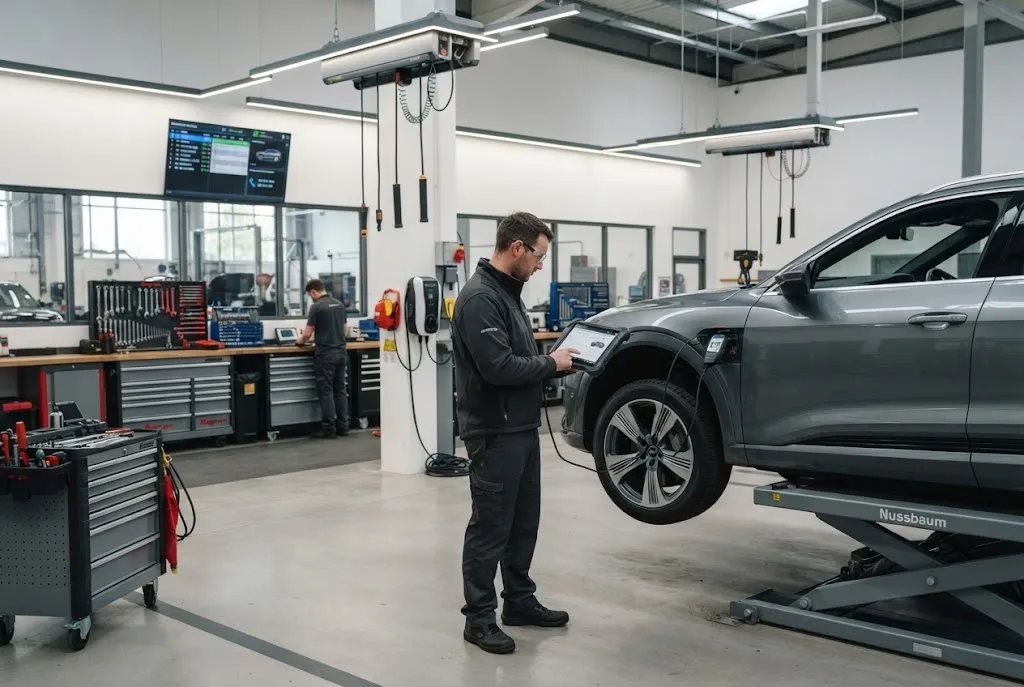
Maintenance technology has changed the workshop as much as it has changed the car. Modern garages use digital diagnostic tools, software records and detailed vehicle data to find faults more accurately. Health checks can now cover electronic systems alongside the traditional checks of tyres, brakes, fluids, lights and suspension.
For owners, technology also makes upkeep easier to follow. Service reminders, digital records and health reports help drivers see what has been done and what may be due next. That clarity matters for road safety because small maintenance tasks are easy to postpone. A worn tyre, a weak battery or a faulty light may seem minor on its own, yet each one affects how safely a car travels.
The wider trend is towards joined-up care. A car may flag a concern, a garage can investigate it with better data, and the owner receives a clearer explanation of the work needed. This approach is examined in our article on predictive servicing as part of modern vehicle maintenance, which shows how early care can prevent bigger problems later.
Vehicle Inspections and the MOT: The Safety Net That Still Matters
For all the progress in software, regular vehicle inspections remain a core part of road safety in the UK. A hands-on inspection can find wear, damage and faults that a dashboard may not show clearly. It also gives a trained technician the chance to look at the whole vehicle, not just the part that triggered a warning.
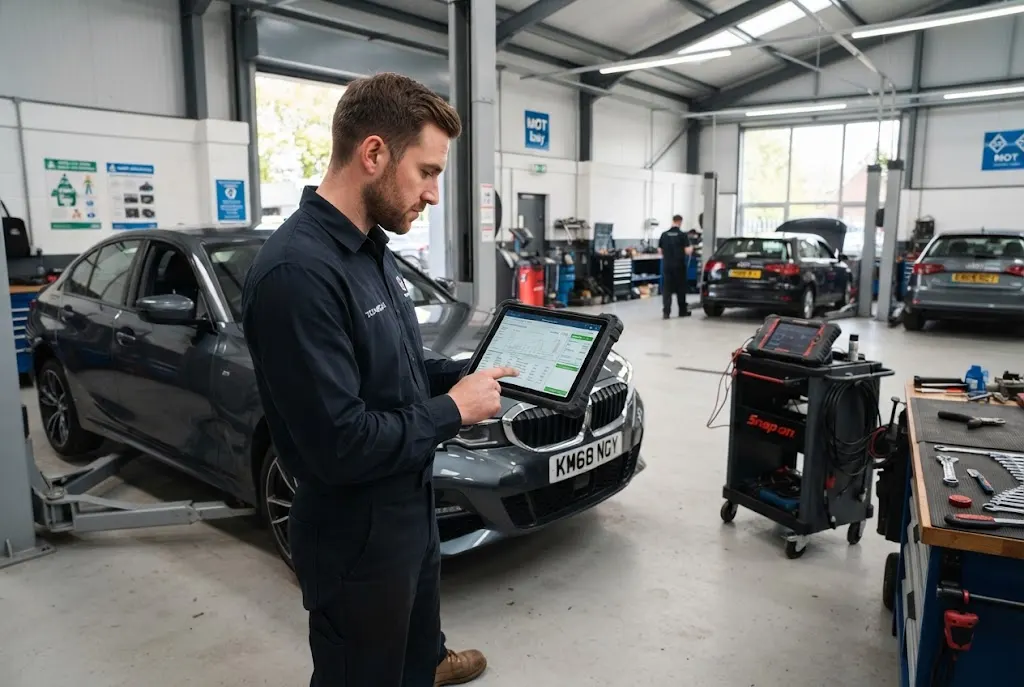
The MOT sits at the centre of this system as the familiar annual test for most older vehicles. It checks important safety and environmental items, from brakes and tyres to lights, steering and visibility. An MOT pass does not mean a car needs no further care, and a service is a different job. Many drivers therefore combine both, as explained in our guide to combining an MOT and service.
Between formal tests, simple checks still count. Drivers can look at tyre condition and tread, test lights, keep the windscreen clean, and act quickly on new noises or warning messages. Vehicle inspections work best as a chain: daily awareness by the driver, routine servicing by a garage, and the MOT as a regular independent check.
Smart Driving: The Habits Technology Cannot Replace
Smart driving is the human side of this story, and it remains essential. No assistance system can choose a sensible speed for the weather, leave a safe gap in heavy rain, or decide that a driver is too tired to travel. Those choices still belong to the person behind the wheel, and they shape road safety on every trip.
Good habits are mostly simple. Slow down when visibility is poor. Keep your distance, especially behind larger vehicles that block your view. Put the phone away, take breaks on long journeys, and plan your route so you are not rushing. Use assistance features as support, not as a reason to pay less attention. If a system warns you often, treat that as useful feedback about your driving.
Smart driving also means knowing your own car. Learn what its warning symbols mean, know which features it has, and check the handbook if you are unsure. A driver who understands the technology will use it calmly and correctly. A driver who ignores it, or trusts it too much, gains far less benefit from it.
Future Transport: Where Road Safety Goes Next
The direction for future transport is clear, even if the pace of change will vary. Vehicles are becoming more connected, assistance features are becoming more capable, and road management is making greater use of data. Over time, that combination should help traffic flow more smoothly and help drivers respond earlier to hazards and congestion.
Gradual automation is part of that direction. Some driving tasks may be supported more fully in limited conditions, while the driver remains responsible in others. For that reason, clear rules, clear driver information and careful testing matter as much as the technology itself. Future transport will only improve road safety if people understand what a system can do in the car they are driving.
There is also a wider opportunity beyond the car. Better data can help highlight junctions that need attention, inform maintenance of the road network, and support planning for different kinds of journeys. Used well, that data could benefit drivers, cyclists, pedestrians and public transport users alike, because safer roads are a shared goal.
For UK drivers today, the message is encouraging but grounded. Choose a well-maintained car, use its safety features properly, keep up with inspections and servicing, and keep your own habits sharp. Technology is making road safety smarter, yet the safest journeys will still combine clever vehicles with careful people.