

Modern vehicle maintenance is becoming increasingly connected, data-driven and proactive. While regular servicing and physical inspections remain essential, advances in vehicle sensors, digital diagnostics, maintenance apps and connected systems are changing how drivers understand the condition of their cars.
Instead of relying only on fixed service intervals, motorists can increasingly receive information based on vehicle condition and usage. This development is helping create a more informed approach to servicing, where potential problems can be identified earlier and maintenance can be planned around the needs of a particular vehicle.
What Is Changing About Vehicle Maintenance?
Traditional maintenance commonly follows recommendations based on mileage, time or manufacturer servicing schedules. These intervals remain important, but modern vehicles can provide additional information through onboard sensors and electronic systems.
Depending on the vehicle, information may relate to areas such as engine performance, fluid levels, tyre pressure, battery condition and other monitored systems. This data can give drivers and technicians additional clues about the vehicle’s condition between scheduled visits.
The result is a gradual shift towards a more proactive model. Instead of waiting until a noticeable problem develops, vehicle owners can use available information to identify maintenance needs and arrange appropriate inspections.
Predictive Servicing Uses Vehicle Data
Predictive servicing focuses on identifying potential maintenance needs before a component develops a serious fault. It can involve analysing information collected from vehicle systems and looking for changes or patterns that may require attention.
This approach differs from simply reacting to a dashboard warning or breakdown. A vehicle may show subtle changes before a driver notices a significant problem, and connected systems can potentially help bring those changes to attention.
However, predictive technology should be viewed as a supporting tool rather than a guarantee that breakdowns can be prevented. Sensors and software have limitations, and physical inspections remain important for confirming the condition of vehicle components.
Connected Vehicles Are Supporting Smarter Maintenance
Connected vehicles can communicate information through integrated electronic systems and, where supported, connected services. This creates new opportunities for monitoring vehicle condition and providing maintenance-related information to owners.
For example, a connected system may help identify that a vehicle requires attention and present an alert through the vehicle interface or a related digital service. In some cases, information can also be made available to a service provider.
This type of connectivity can make the relationship between the vehicle and workshop more continuous. Instead of beginning with a problem reported by the driver, servicing can increasingly involve information collected before the vehicle reaches the garage.
It also complements the development of smart auto repair technology, where digital diagnostics and connected workshop systems are becoming more important.
Digital Diagnostics Make Fault Finding More Informed
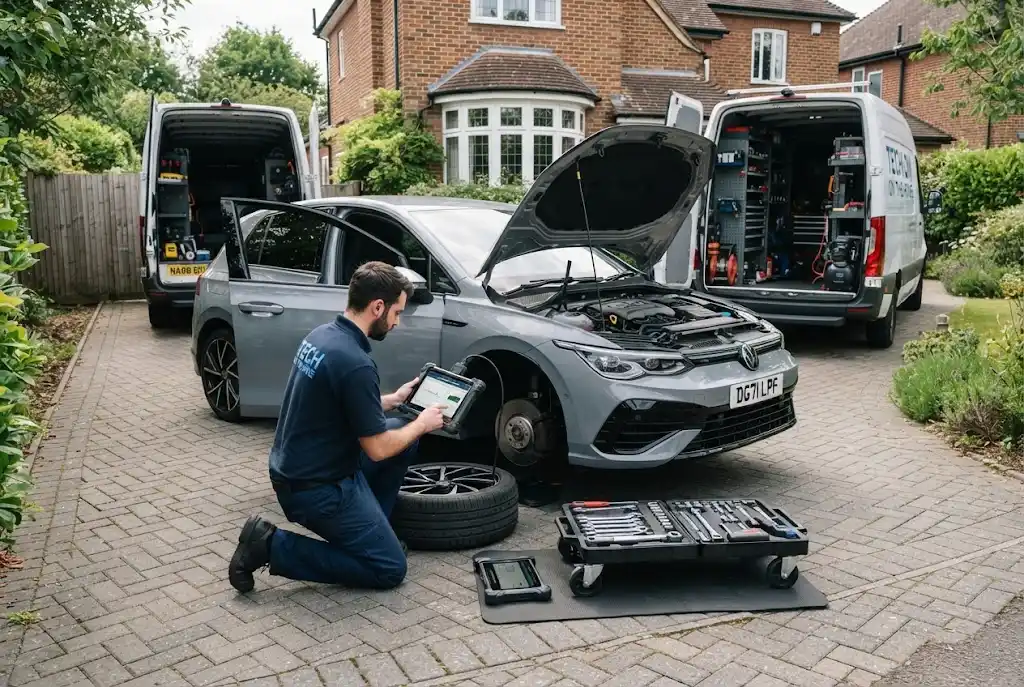
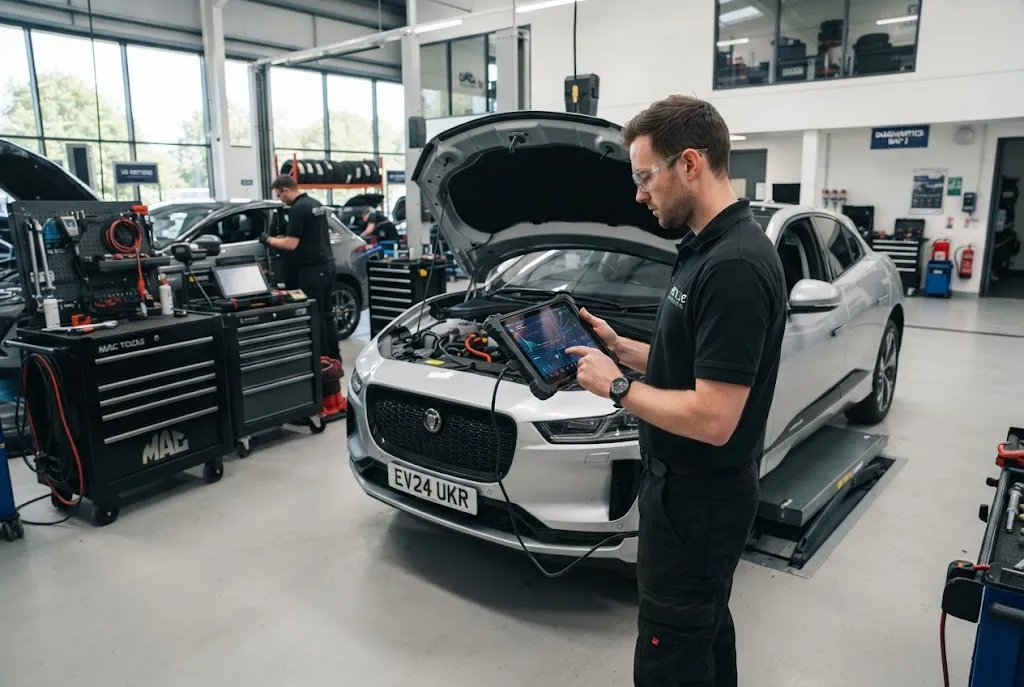
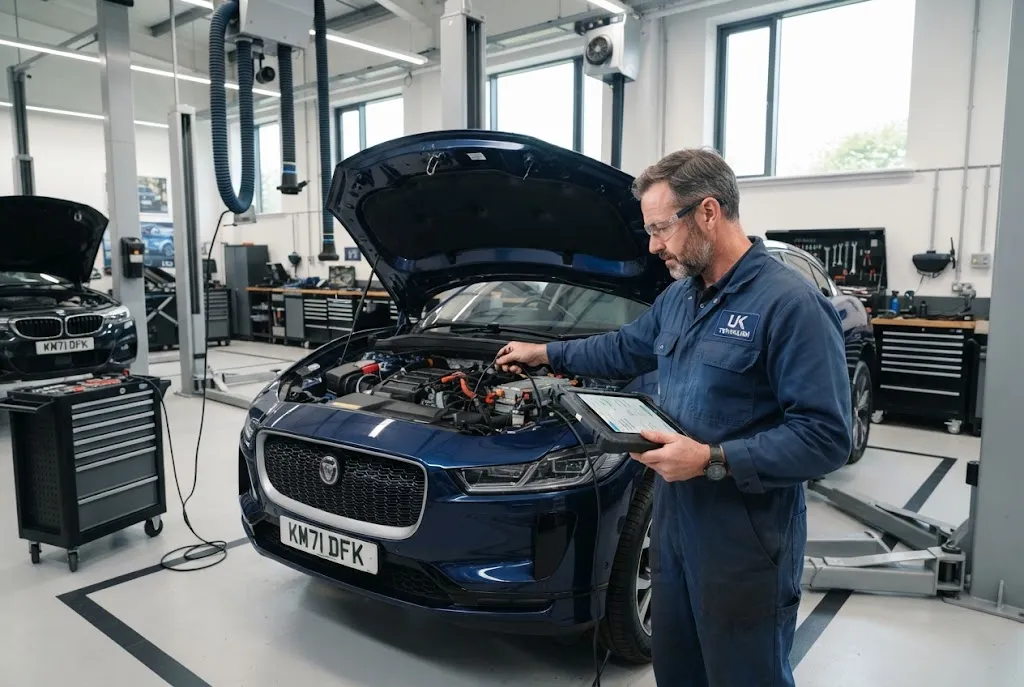
Digital diagnostics are already an important part of modern vehicle servicing. Technicians can connect specialist equipment to vehicle systems to retrieve information that may help with fault diagnosis.
Diagnostic information can save time by giving technicians a clearer starting point when investigating an issue. However, a diagnostic result is not necessarily a complete diagnosis. The information still needs to be interpreted alongside physical inspection, testing and professional experience.
This distinction matters because replacing a component solely because a system has reported an associated fault can sometimes fail to address the underlying cause. Skilled technicians use digital information as one part of a broader diagnostic process.
Maintenance Apps Are Making Information More Accessible
Smartphones are becoming another part of the vehicle maintenance experience. Maintenance apps and connected vehicle platforms can provide owners with reminders, service information and other vehicle-related details.
For drivers, having maintenance information in one place can make it easier to remember upcoming servicing requirements. Digital records may also help owners keep track of previous work, depending on the system and provider.
Apps can also make communication with service providers more convenient. Some modern workshops allow customers to request appointments, receive updates or review recommendations through digital channels.
This development connects with the wider growth of modern garage innovations, particularly online bookings and connected service-centre technology.
Vehicle Monitoring Can Support Preventive Maintenance
Preventive maintenance aims to address vehicle needs before they develop into more significant problems. Regular checks of tyres, brakes, fluids, batteries and other components remain fundamental to this approach.
Vehicle monitoring can add another layer of information. When a vehicle continuously measures certain operating conditions, the resulting information may help identify changes that deserve investigation.
For example, a persistent change in a monitored system could encourage a driver to arrange an inspection rather than continuing to use the vehicle without checking the issue.
Even so, monitoring should not replace routine maintenance. Some components require physical inspection, and not every developing fault can be detected electronically.
Smart Maintenance Could Change Service Scheduling
One potential advantage of connected maintenance systems is more flexible service planning. Instead of treating every vehicle identically, future servicing systems may increasingly combine scheduled intervals with information about vehicle use and condition.
This could help workshops understand which vehicles need attention and why. It may also help drivers organise appointments before an issue becomes disruptive.
For workshops, better information can support planning. If a service team knows more about a vehicle before it arrives, technicians may be better prepared with appropriate diagnostic equipment, parts or inspection procedures.
Ownership Technology Is Becoming More Important
Vehicle ownership increasingly involves digital services alongside the physical car. Drivers may use apps for maintenance reminders, digital records, roadside assistance, charging information, insurance services and appointment scheduling.
This creates a broader ownership technology ecosystem. The vehicle is no longer necessarily treated as an isolated machine; instead, it can form part of a network of services and information.
For motorists, the main benefit is convenience. Having useful information available digitally can make routine ownership tasks easier to manage. However, owners should still understand which information comes from the vehicle, which comes from a service provider and which requires professional verification.
How Predictive Vehicle Maintenance Could Help Drivers
Predictive approaches can provide several potential advantages when used appropriately.
- Earlier attention to potential problems: Vehicle data may highlight changes that deserve investigation.
- Better maintenance planning: Drivers can arrange inspections before an issue becomes urgent.
- More informed servicing: Technicians can use available diagnostic information alongside physical checks.
- Greater convenience: Digital systems can provide reminders and maintenance information.
- Improved workshop preparation: Relevant vehicle information can help service teams plan their work.
These benefits depend on accurate data, suitable technology and professional interpretation. Predictive systems are useful when they support responsible maintenance rather than encouraging drivers to ignore conventional servicing requirements.
Electric Vehicles Add New Maintenance Considerations
The transition towards electric vehicles is also influencing the maintenance landscape. Electric vehicles have different powertrain components and servicing requirements compared with conventional petrol and diesel cars.
Some traditional maintenance tasks may become less relevant, while areas such as battery systems, thermal management, software and electronic components become increasingly important.
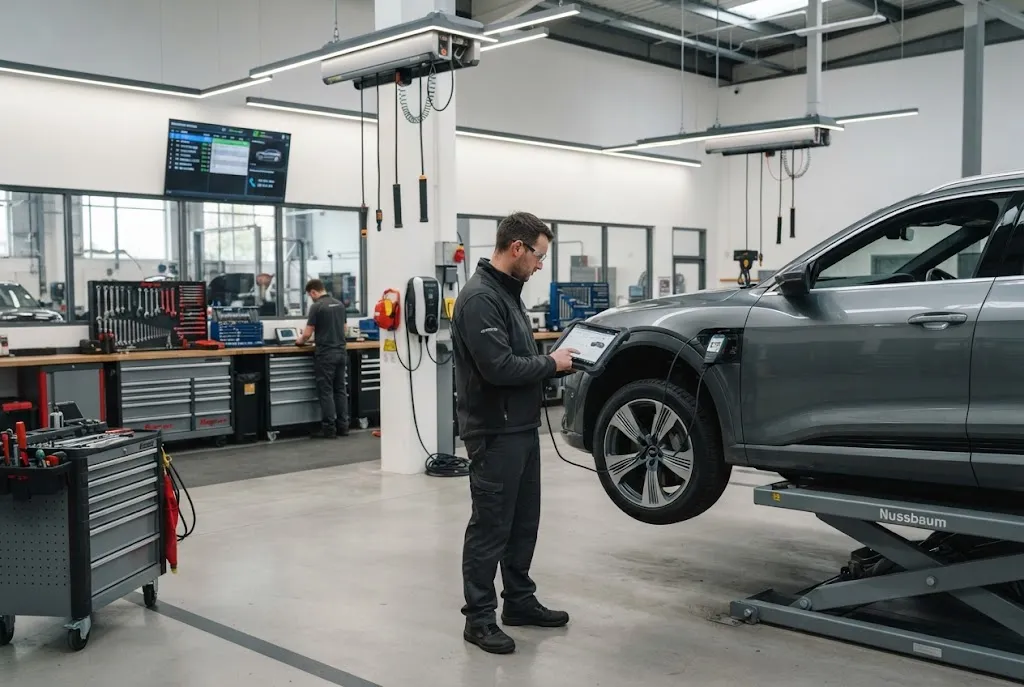
This means technicians need appropriate training and equipment for the vehicles they service. Digital diagnostics can become particularly important where vehicle functions depend heavily on electronic control systems.
What Drivers Should Still Do
Technology should not encourage motorists to abandon basic maintenance habits. Owners should continue following the manufacturer’s servicing recommendations and respond appropriately to warning lights, unusual noises, changes in handling and other signs that a vehicle may require attention.
Tyre condition, brakes, lights, fluids and other safety-related areas still require appropriate checks. Even a highly connected vehicle cannot remove the need for responsible ownership.
Drivers can also ask their garage how diagnostic information is used and whether digital inspection reports or maintenance records are available. Understanding the process can make it easier to distinguish useful technology from unnecessary complexity.
The Future of Vehicle Maintenance
The future of vehicle maintenance is likely to combine scheduled servicing with increasingly sophisticated monitoring and digital diagnostics. Connected vehicles can provide more information, maintenance apps can make that information easier to access, and modern workshops can use digital systems to organise the resulting data.
The biggest change may be the move from purely reactive servicing towards more informed preventive decisions. A vehicle does not have to wait for a major fault before its condition becomes part of a maintenance conversation.
As automotive technology continues to develop, predictive servicing, connected vehicles and digital diagnostics will become increasingly relevant to everyday ownership. Drivers who understand these tools can make better-informed maintenance decisions while continuing to rely on qualified technicians for inspections, diagnosis and repairs.
The development of smarter maintenance also connects with wider auto care trends, where technology is changing not only how vehicles are repaired but also how owners manage their cars throughout the ownership lifecycle.