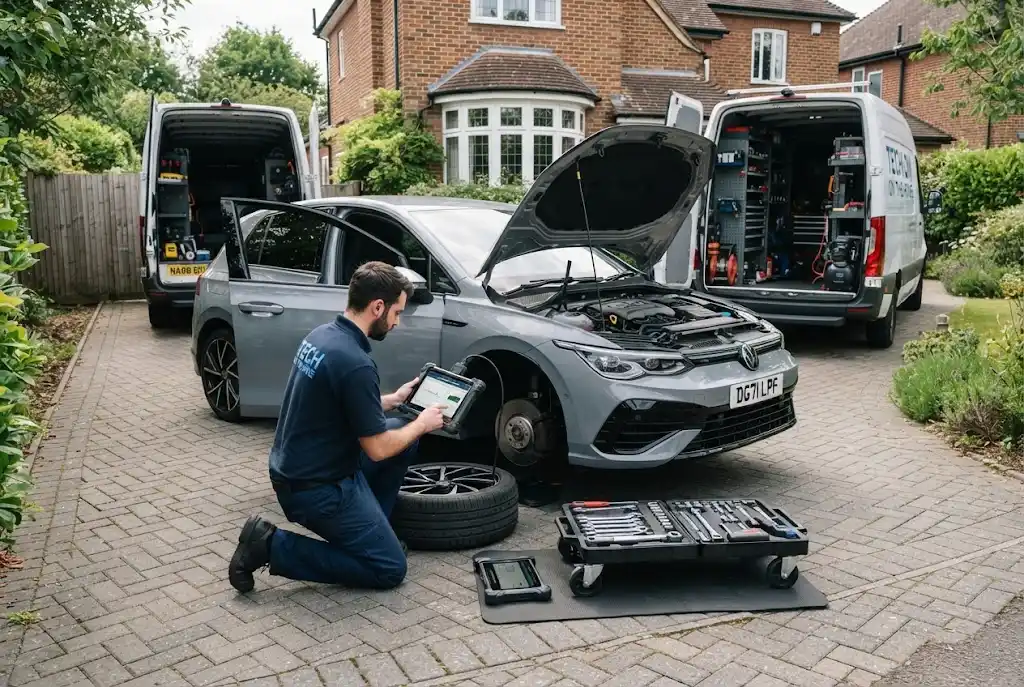


Technology is changing how drivers maintain, diagnose and repair their vehicles. Modern auto repair services are moving beyond traditional inspections and mechanical fixes as garages adopt digital tools, connected equipment, advanced diagnostics and smarter ways to manage customer bookings. For UK motorists, this shift means vehicle servicing can become more data-driven, transparent and convenient.
The transformation is not about replacing skilled technicians with technology. Instead, modern repair technology is giving technicians better information and helping workshops identify problems more efficiently. From AI-assisted diagnostics to predictive maintenance, several developments are already influencing the way vehicles are serviced and repaired.
Why Auto Repair Services Are Becoming More Digital
Vehicles have become increasingly dependent on electronic systems, sensors and software. As a result, repairing a modern car often involves much more than checking mechanical components. Technicians may need to interpret electronic fault codes, inspect digital systems and understand how different vehicle components communicate with each other.
This has encouraged garages to invest in digital tools that support diagnosis and workshop management. Electronic inspection reports, digital job cards, diagnostic platforms and connected equipment can all help technicians organise information more effectively.
For customers, the benefit can be a clearer repair process. Instead of relying entirely on verbal explanations, a workshop may be able to provide digital reports, photographs, diagnostic information and updates about the work being carried out.
AI Diagnostics Are Changing Vehicle Troubleshooting
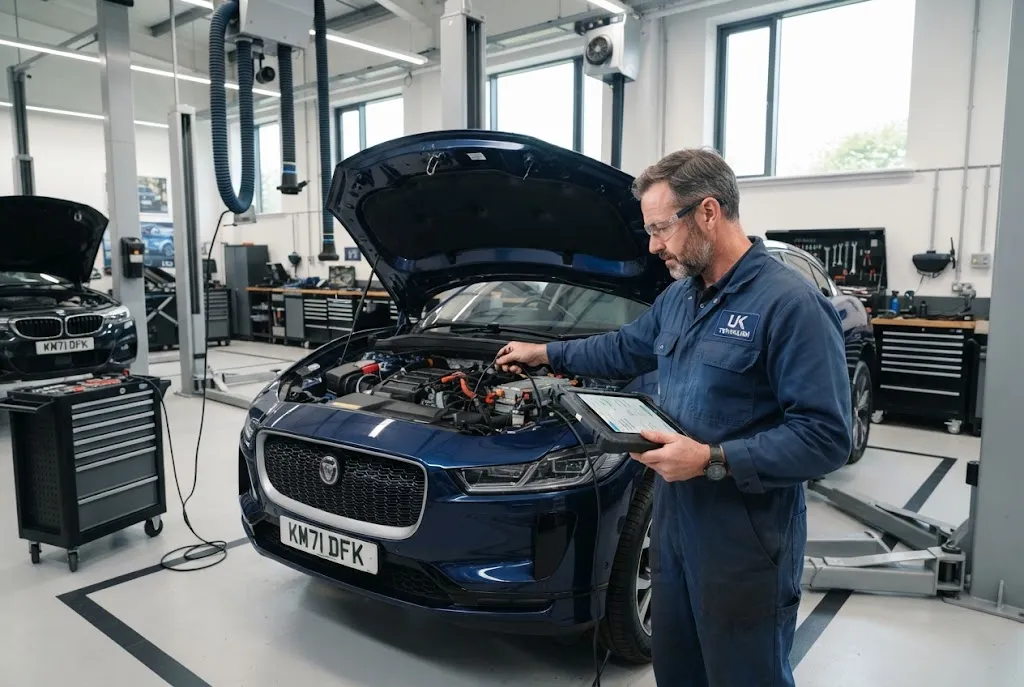
One of the most closely watched developments in automotive technology is AI diagnostics. Artificial intelligence can be used alongside diagnostic data to help identify patterns, compare symptoms and support technicians when investigating faults.
AI does not necessarily mean that a computer independently decides what is wrong with a vehicle. In practical workshop environments, technology can instead act as an additional information layer. A technician can combine diagnostic results with physical inspections, manufacturer information and their own experience before deciding how a vehicle should be repaired.
This approach could become particularly useful as vehicles become more complex. A fault involving sensors, electronic control units or interconnected systems can sometimes require information from several parts of the vehicle. Smarter diagnostic tools can help technicians organise that information and narrow down potential causes.
Smart Workshops Are Becoming More Connected
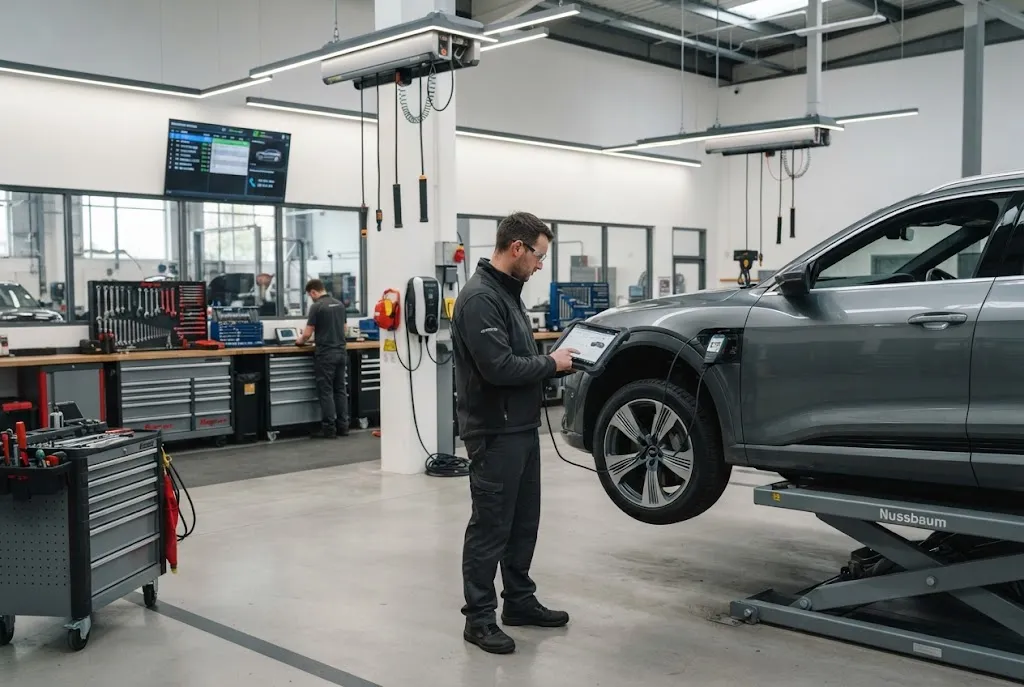
The modern workshop is increasingly becoming a connected environment. Smart workshops can use networked diagnostic equipment, digital inspection systems, workshop management software and connected testing equipment to move information between different stages of a repair.
This is particularly relevant in the UK, where digital systems are already part of the MOT testing environment. The Driver and Vehicle Standards Agency provides digital tools and connected equipment requirements for MOT testing, showing how technology is becoming integrated into vehicle testing and workshop processes.
Connected systems can reduce repetitive data entry and make it easier to keep records organised. They can also help workshops track jobs from initial inspection through diagnosis, repair and final checks.
For customers, this can create a more straightforward experience. A garage may be able to send a digital inspection report, confirm approval for additional work and provide an update when the vehicle is ready.
Predictive Maintenance Could Reduce Unexpected Repairs
Traditional maintenance generally follows a schedule based on mileage, time or manufacturer recommendations. Predictive maintenance takes a more data-focused approach by looking at the condition and behaviour of vehicle components.
Connected vehicles can generate information from sensors and onboard systems. When this information is analysed over time, it may help identify patterns that indicate a component requires attention.
For example, unusual readings or changes in vehicle behaviour could prompt a driver to arrange an inspection before a minor issue develops into a larger repair. This does not eliminate unexpected breakdowns, but it can support a more proactive approach to vehicle ownership.
The idea also connects with predictive vehicle maintenance, where technology and vehicle data can play a greater role in planning servicing and monitoring vehicle condition.
Repair Automation Is Improving Workshop Efficiency
Automation is another area receiving attention across the automotive sector. Not every repair can or should be automated, particularly when skilled mechanical judgement is required. However, repetitive administrative and diagnostic tasks can increasingly be supported by software.
Repair automation may include automated appointment reminders, digital inspection forms, parts management, job tracking and diagnostic workflows. These systems can reduce manual administration and allow technicians to spend more time on inspection and repair work.
In larger workshops, automated processes can also help coordinate multiple vehicles at different stages of servicing. That can make workshop scheduling easier while giving service advisers better visibility over active jobs.
Digital Repairs Are Changing Customer Communication
The repair itself is only one part of the modern servicing experience. Customers increasingly expect convenient communication before, during and after a vehicle visit.
Digital repair systems can support this expectation by allowing garages to send inspection findings electronically, request approval for additional work and provide progress updates. Some workshops can also share photographs or videos that help explain why a particular repair is recommended.
This can make technical information easier for customers to understand. When a repair recommendation is supported by clear evidence and an explanation of the issue, drivers have more information when deciding how to proceed.
These developments also complement modern garage innovations, particularly the growing role of connected service centres and digital customer experiences.
Connected Garages Need Skilled Technicians Too
It is easy to assume that more technology means less need for experienced technicians. In reality, the opposite can often be true. Advanced vehicles require professionals who understand both mechanical systems and electronic technology.
A diagnostic system can identify a fault code, but the code does not always explain the complete cause of a problem. A technician still needs to interpret the information, carry out appropriate tests and determine whether a component should be repaired, recalibrated or replaced.
This makes technical training increasingly important. Future servicing is likely to combine traditional mechanical expertise with knowledge of software, electronics, diagnostics and connected vehicle systems.
How Smart Repair Technology Could Benefit Drivers
The wider adoption of smart repair technology could bring several practical benefits to motorists.
- Earlier fault detection: Digital diagnostics can help identify potential problems before they become more serious.
- Better communication: Digital reports can make repair recommendations easier to review.
- Improved efficiency: Automated workshop processes can reduce unnecessary administrative work.
- More organised servicing: Connected systems can help garages manage appointments, inspections and repairs.
- Greater visibility: Digital records can make it easier to track what work has been recommended or completed.
These benefits depend on the quality of the equipment, software and people using it. Technology should support proper inspection and professional judgement rather than encourage unnecessary repairs or replace essential safety checks.
What the Future of Auto Repair Services May Look Like
The next stage of automotive servicing is likely to be increasingly connected. Vehicles, diagnostic systems, workshop software and customer communication platforms can work together to create a more integrated servicing process.
Drivers may increasingly receive maintenance reminders based on vehicle condition, book appointments online and receive digital inspection information before approving repairs. Workshops, meanwhile, can use connected systems to organise vehicle data, technician workloads and repair histories.
The growth of electric vehicles will also influence future servicing. Electric powertrains have different maintenance requirements from conventional engines, while high-voltage systems and sophisticated electronic components require appropriate training and equipment.
As these changes continue, vehicle maintenance will increasingly involve a combination of physical inspections, digital information and condition-based decision-making.
Preparing for the Future of Vehicle Servicing
For motorists, keeping up with automotive technology does not mean replacing every traditional maintenance habit. Regular servicing, appropriate inspections and attention to warning signs will remain important.
However, drivers can benefit from choosing workshops that are equipped to work with their vehicle’s technology. Asking whether a garage provides digital inspection reports, modern diagnostics and clear communication can help customers understand what to expect from a contemporary servicing experience.
Garages can prepare by investing in suitable diagnostic equipment, staff training, secure digital systems and efficient customer communication. The goal should be to use technology where it genuinely improves accuracy, efficiency and the customer experience.
The Road Ahead for Smart Auto Repair
AI diagnostics, connected garages, predictive maintenance and repair automation are gradually changing the automotive service landscape. These technologies are not simply about making workshops look more modern. Their real value lies in helping technicians access better information, helping garages manage work efficiently and giving drivers a clearer understanding of their vehicles.
As vehicles become more connected, the relationship between mechanical expertise and digital technology will become even more important. The workshops prepared for this change will need both advanced tools and skilled people who know how to use them responsibly.
For UK motorists, the future of servicing is likely to be more digital, more connected and increasingly focused on preventative decision-making. Understanding these auto care trends can help drivers recognise how the servicing experience is evolving and what to expect from the next generation of automotive care.