

Vehicle maintenance is becoming smarter as modern cars gain more electronic systems, connected technology and advanced safety features. For UK drivers, looking after a vehicle is no longer limited to changing fluids or replacing worn mechanical components. Today’s maintenance can also involve electronic diagnostics, digital records, maintenance apps and increasingly sophisticated servicing decisions.
Despite these changes, the basic principle remains the same: regular maintenance helps drivers identify problems, manage wear and keep their vehicles in suitable condition. The difference is that technology is giving motorists and technicians more information about what may need attention and when.
Why Vehicle Maintenance Is Becoming Smarter
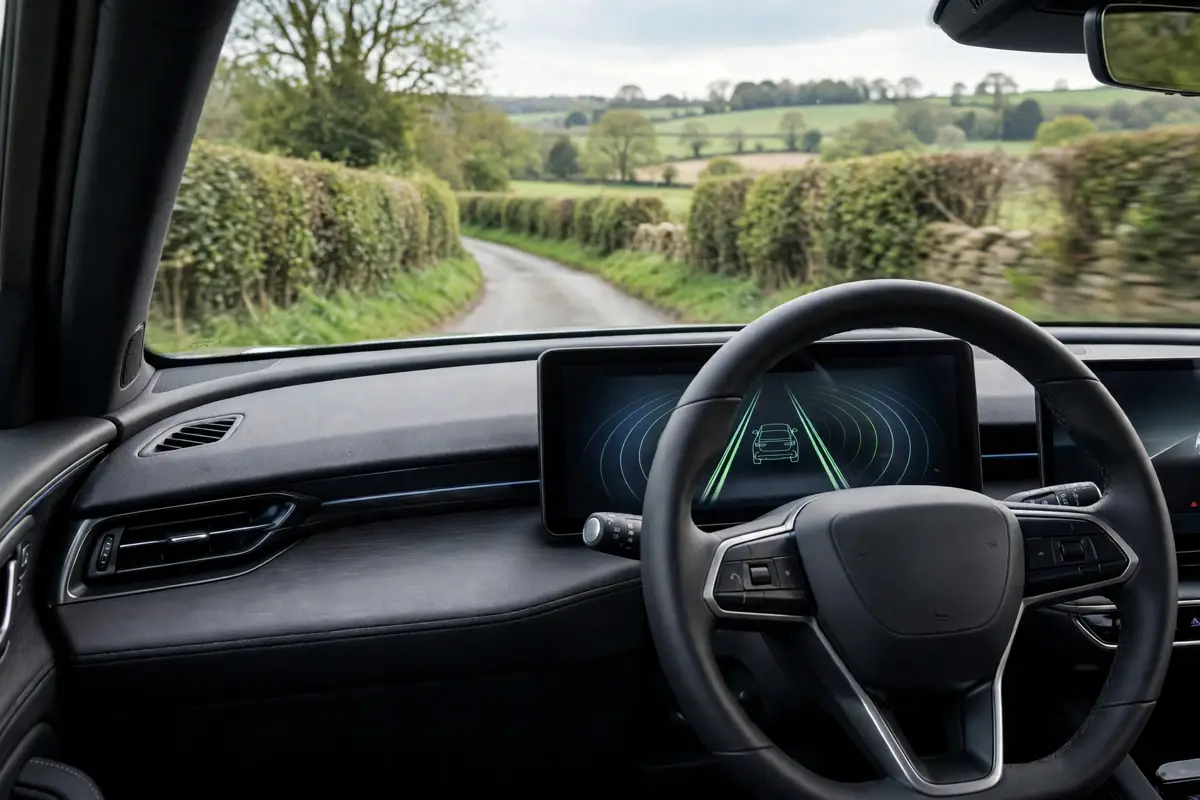
Modern vehicles are considerably more complex than many older cars. Electronic control units, sensors, cameras, driver assistance systems and connected features all contribute to the driving experience. These systems can also create additional maintenance and diagnostic requirements.
As a result, vehicle maintenance increasingly combines traditional mechanical knowledge with digital tools. A technician may inspect physical components while also checking electronic systems for diagnostic information.
This development is changing how garages approach maintenance and how drivers think about vehicle ownership. Instead of waiting for a noticeable failure, motorists can increasingly take a preventive approach and use available information to plan maintenance before smaller issues develop into larger problems.
Vehicle Maintenance and Preventive Care
Preventive maintenance means dealing with routine checks and potential problems before they cause a breakdown or compromise vehicle performance. It does not eliminate the possibility of unexpected faults, but it can make vehicle care more structured and proactive.
Routine checks can include tyres, brakes, lights, fluid levels, battery condition, suspension components and other items appropriate to the vehicle. Following the manufacturer’s recommended maintenance schedule is also important because service requirements vary between makes and models.
Drivers should pay attention to changes in the way their vehicle behaves. Unusual noises, warning lights, vibrations, changes in steering feel or unexpected changes in fuel or energy consumption can all justify further investigation.
Regular servicing should form part of this wider maintenance approach. Our guide to car servicing explores how servicing practices are evolving alongside changing vehicle technology and ownership habits.
Vehicle Monitoring Can Support Preventive Maintenance
Vehicle monitoring can add another layer of information. When a vehicle continuously measures certain operating conditions, the resulting information may help identify changes that deserve investigation.
For example, a persistent change in a monitored system could encourage a driver to arrange an inspection rather than continuing to use the vehicle without checking the issue.
Even so, monitoring should not replace routine maintenance. Some components require physical inspection, and not every developing fault can be detected electronically.
Understanding Modern Maintenance Schedules
Maintenance schedules provide a useful framework for keeping a vehicle in good condition. However, the exact schedule depends on the vehicle, manufacturer recommendations, mileage, age and driving conditions.
Some vehicles use mileage-based intervals, while others also take time or driving conditions into account. A car that regularly completes long motorway journeys may experience different wear patterns from one mainly used for short urban trips.
Drivers should therefore avoid relying on a generic maintenance timetable when their manufacturer’s guidance is available. The owner’s handbook or official manufacturer information should be the starting point for scheduled maintenance.
Keeping records of completed work is equally useful. Accurate records can help motorists understand when maintenance was last carried out and provide valuable information for technicians during future visits.
Smart Diagnostics Are Changing Vehicle Maintenance
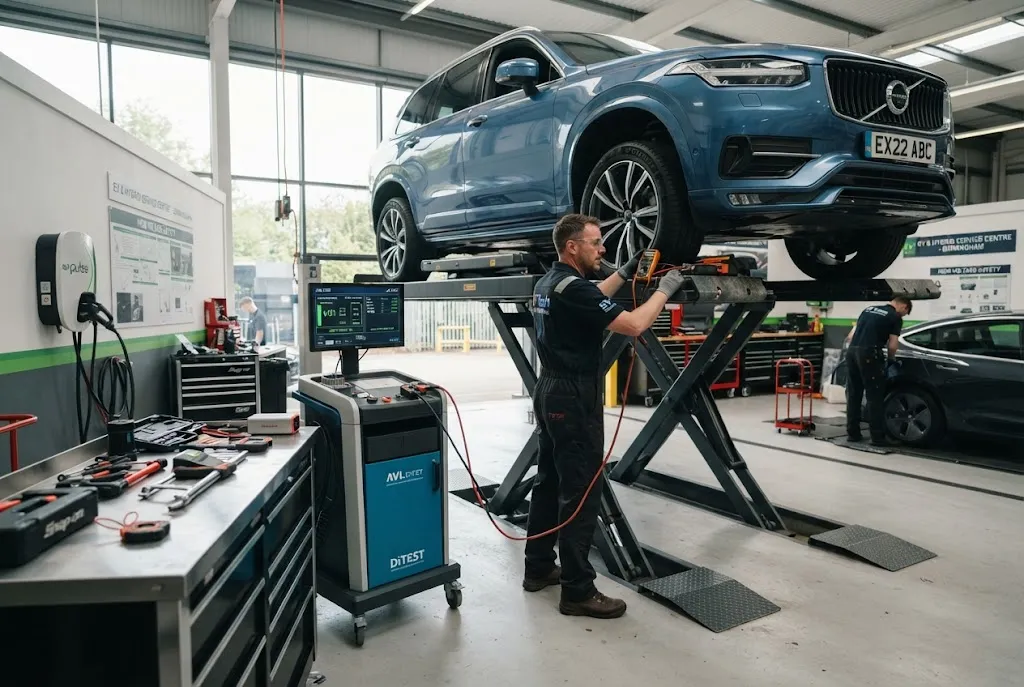
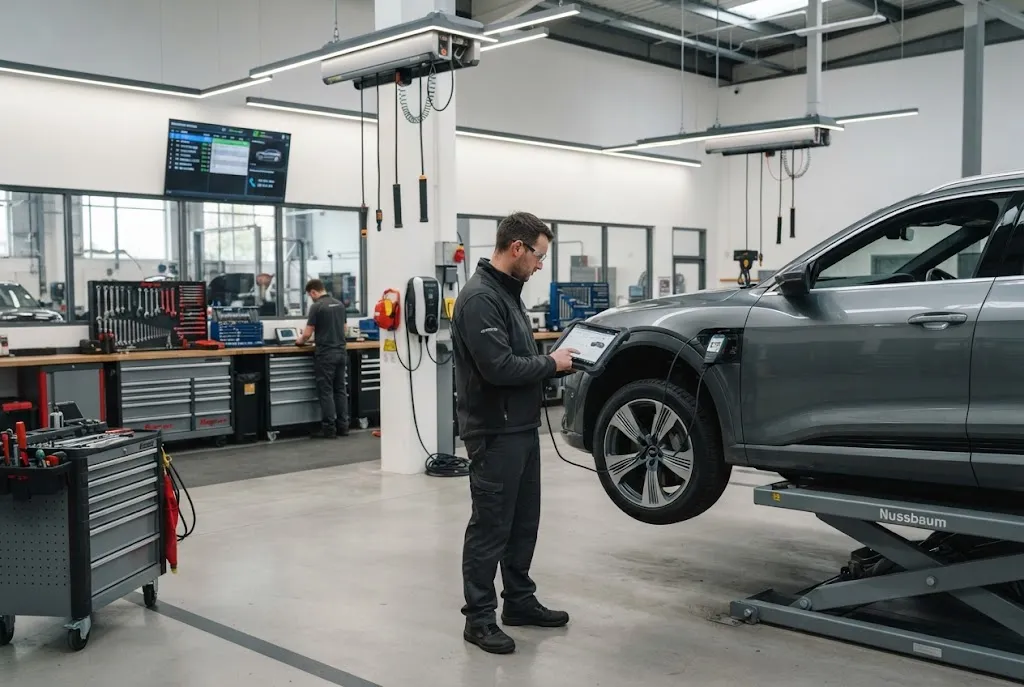
Smart diagnostics are one of the most important developments in modern vehicle maintenance. Diagnostic equipment can communicate with a vehicle’s electronic systems and provide technicians with information about detected faults or unusual readings.
However, diagnostic technology should not be confused with automatic fault resolution. A diagnostic code can indicate where a system has detected a problem, but a technician may still need to carry out additional tests to determine the actual cause.
This is why modern maintenance requires both technology and expertise. The most effective technicians know how to interpret diagnostic information, conduct physical inspections and determine an appropriate repair or maintenance solution.
As vehicles become increasingly software-dependent, diagnostic capability will continue to play an important role in professional workshops.
Connected Vehicles and Digital Maintenance
Connected vehicles are creating new possibilities for vehicle maintenance. Depending on the vehicle and its technology, connected systems can collect information about vehicle operation and communicate data through digital platforms.
This development could make maintenance more proactive. Instead of relying exclusively on a driver noticing a problem, connected systems may provide earlier indications that a vehicle system needs attention.
Digital maintenance records can also improve organisation. Instead of keeping every invoice as a paper document, motorists may increasingly have access to electronic records showing completed services and repairs.
For drivers, the practical advantage is better visibility. Having maintenance information in one place can make it easier to understand the vehicle’s history and plan upcoming work.
Maintenance Apps Are Making Vehicle Care More Convenient
Smartphone apps are another part of the changing vehicle maintenance landscape. Depending on the provider and vehicle, apps can be used for reminders, service information, vehicle status updates, garage bookings and other ownership tasks.
For busy motorists, reminders can be particularly useful. A driver may remember that their car needs servicing but forget the exact date or mileage at which the work is due. Digital notifications can provide a simple prompt.
Apps can also support a more organised approach to vehicle ownership by keeping relevant information accessible when it is needed. However, motorists should still follow the vehicle manufacturer’s official maintenance requirements rather than relying solely on a third-party application.
Ownership Technology Is Becoming More Important
Vehicle ownership increasingly involves digital services alongside the physical car. Drivers may use apps for maintenance reminders, digital records, roadside assistance, charging information, insurance services and appointment scheduling.
This creates a broader ownership technology ecosystem. The vehicle is no longer necessarily treated as an isolated machine; instead, it can form part of a network of services and information.
For motorists, the main benefit is convenience. Having useful information available digitally can make routine ownership tasks easier to manage. However, owners should still understand which information comes from the vehicle, which comes from a service provider and which requires professional verification.
Predictive Servicing Could Change Maintenance Planning
Predictive servicing represents a potential next step in smarter vehicle maintenance. Rather than relying only on fixed service intervals, predictive systems can use available vehicle information to identify patterns that may indicate developing maintenance needs.
The concept is particularly relevant as connected vehicles generate more data. Information about vehicle usage, component behaviour and diagnostic readings could potentially help service providers identify issues earlier.
Predictive maintenance does not mean drivers should ignore scheduled servicing. Manufacturer maintenance requirements remain important. Instead, predictive tools could complement those schedules by helping identify additional issues between routine service visits.
Over time, this approach could make maintenance planning more responsive to how individual vehicles are actually used.
Smart Maintenance Could Change Service Scheduling
One potential advantage of connected maintenance systems is more flexible service planning. Instead of treating every vehicle identically, future servicing systems may increasingly combine scheduled intervals with information about vehicle use and condition.
This could help workshops understand which vehicles need attention and why. It may also help drivers organise appointments before an issue becomes disruptive.
For workshops, better information can support planning. If a service team knows more about a vehicle before it arrives, technicians may be better prepared with appropriate diagnostic equipment, parts or inspection procedures.
Electric Vehicles Require a Different Maintenance Approach
The growth of electric vehicles is also changing the maintenance conversation. Electric cars do not have the same mechanical systems as conventional petrol or diesel vehicles, but that does not mean they require no maintenance.
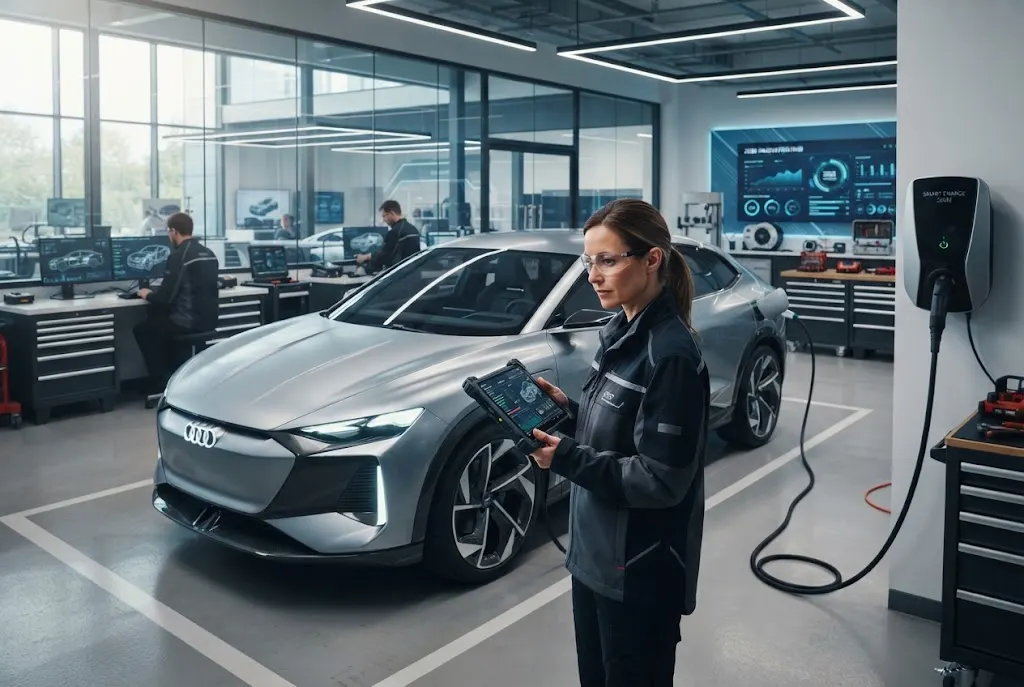
Electric vehicles still have components such as tyres, brakes, suspension, steering systems and other equipment that require inspection. They also contain high-voltage electrical systems that require appropriate technical knowledge and safety procedures.
Hybrid vehicles introduce another variation because they combine an internal combustion engine with electric drive technology.
Drivers should therefore select a service provider with appropriate knowledge and equipment for their vehicle’s powertrain. Our coverage of EV servicing looks more closely at the changing requirements associated with electric vehicles, while hybrid servicing covers the specific considerations of hybrid ownership.
Vehicle Maintenance and Tyre Care
Tyres are among the most important components for everyday road safety, making their condition an essential part of vehicle maintenance. Drivers should regularly check tyre pressures and inspect tyres for visible damage or unusual wear.
Uneven tyre wear can sometimes indicate issues with wheel alignment, suspension or other vehicle components. If a vehicle pulls to one side or tyres are wearing differently across their surface, professional inspection may be appropriate.
Correct wheel alignment can also support predictable handling and help prevent unnecessary tyre wear. Our wheel alignment guide provides further information about this aspect of vehicle care.
How Technology Can Help Drivers Maintain Their Cars
Technology can make vehicle maintenance easier, but drivers still have an important role to play. A practical digital maintenance routine can include several simple habits.
- Keep an electronic or physical record of servicing and repairs.
- Set reminders for manufacturer-recommended maintenance intervals.
- Pay attention to warning lights and investigate persistent alerts promptly.
- Check tyre pressures and condition regularly.
- Use diagnostic information as a guide rather than assuming every code identifies the final repair.
- Choose technicians with suitable training and equipment for your vehicle.
- Check official manufacturer guidance before relying on generic maintenance advice.
These habits can help motorists stay organised while making better use of modern vehicle technology.
Choosing a Garage for Modern Vehicle Maintenance
The growing complexity of vehicles makes garage selection increasingly important. A workshop that was suitable for an older vehicle may not necessarily have the equipment or expertise required for a newer electric car or a vehicle with advanced electronic systems.
Before booking, drivers can ask whether the garage has experience with their particular vehicle and whether it uses appropriate diagnostic equipment. Owners of electric or hybrid vehicles should also ask about relevant technician training and high-voltage safety procedures.
Clear communication is another useful indicator. A professional workshop should be able to explain what an inspection found, why work has been recommended and which issues require immediate attention.
The Future of Vehicle Maintenance
Vehicle maintenance is likely to become increasingly connected, digital and data-driven. As manufacturers introduce more sophisticated systems, workshops will need to combine mechanical expertise with electronic diagnostics, software knowledge and specialist training.
Connected vehicles may make it easier to identify developing problems, while predictive servicing could eventually help drivers plan maintenance around actual vehicle condition and usage.
At the same time, fundamental maintenance requirements will remain. Tyres will still need checking, brakes will still require inspection, suspension components will still wear and vehicles will still need appropriate servicing.
The difference is that technology can help drivers and technicians understand those needs earlier and manage them more efficiently.
Smarter Vehicle Maintenance for UK Drivers
The modern approach to vehicle maintenance is not about replacing traditional servicing with apps or diagnostic equipment. Instead, it combines preventive care, professional inspections and digital technology to create a more informed ownership experience.
For UK motorists, the best approach is to follow manufacturer recommendations, pay attention to changes in vehicle behaviour and use qualified professionals when specialist work is required. Digital tools can make the process easier, but good maintenance still depends on sound technical judgement.
As connected vehicles, electric powertrains and predictive technologies become more widespread, vehicle maintenance will continue to evolve. Drivers who understand these changes can make better decisions about servicing, repairs and long-term vehicle care.