
MOT and service appointments play an important role in keeping vehicles compliant, maintained and suitable for everyday driving in the UK. Although an MOT test and a vehicle service have different purposes, modern garages are increasingly using digital inspections, advanced diagnostics and improved customer communication to manage both aspects of vehicle care.
Vehicle technology is also changing what technicians need to inspect. Modern cars can contain sophisticated electronic systems, driver assistance technology, cameras, sensors and increasingly complex powertrains. As a result, today’s approach to MOT and service work combines established testing standards with newer workshop technology.
What Is the Difference Between an MOT and Service?
An MOT test and a service should not be treated as the same thing. An MOT is a regulated test that checks whether a vehicle meets specific safety and environmental requirements at the time of the test. A service is broader maintenance designed to help keep the vehicle operating properly.
A vehicle can therefore pass its MOT while still needing routine servicing or maintenance. Equally, having a service does not replace the requirement for an MOT when the vehicle is legally due for one.
Drivers should understand this distinction when planning vehicle care. The GOV.UK MOT guidance provides official information about MOT requirements, testing and fees.
MOT and Service Are Becoming More Digital
One of the biggest changes in modern MOT and service processes is the increased use of digital technology. Garages can use workshop management systems to organise bookings, vehicle information, inspections, job cards and customer communication.
For motorists, digital booking can make arranging an appointment more convenient. Instead of contacting a garage during opening hours, customers may be able to select a suitable appointment online and receive automated reminders.
Digital records can also make vehicle maintenance easier to manage. Service information, invoices and inspection results can be stored electronically, giving motorists a clearer record of work carried out on their vehicle.
These tools do not change the fundamental requirements of an MOT. Instead, they improve the way garages organise and communicate the testing and maintenance process.
How Digital MOT Records Help Drivers
The Driver and Vehicle Standards Agency (DVSA) operates the MOT service and maintains digital MOT test records. Approved testing stations use the MOT testing service to record results, while vehicle owners can access their MOT history online.
Digital MOT records are already an established part of vehicle testing in Great Britain. Every completed MOT test creates an electronic record, and that record is the legal record of the test.
For vehicle owners, this creates several practical benefits. A driver can check whether a car passed or failed, see the mileage recorded at each test and review information about previous failures and minor problems.
The online record can also show when the next MOT is due. This makes it easier for motorists to plan vehicle testing rather than relying entirely on paper documentation or remembering dates themselves.
The growth of digital records has particular value in the used-car market. Buyers can now access historical MOT information before committing to a purchase.
The official MOT history service allows motorists to see previous test results and recorded mileage for eligible vehicles. For cars, motorcycles and vans in Great Britain, records are available for tests conducted since 2005.
This does not eliminate the need for a physical inspection when buying a used vehicle. Instead, the digital record provides another source of information that can help a buyer identify questions worth asking.
A history showing repeated failures in the same area, for example, may justify closer investigation. Similarly, unusual mileage patterns can prompt a buyer to examine the vehicle’s documentation more carefully.
The digital MOT record is therefore becoming part of the broader information ecosystem surrounding vehicle ownership rather than simply a replacement for paper documentation.
How MOT Technology Is Evolving
MOT testing has always depended on defined inspection requirements, but modern workshops are operating in an increasingly technology-rich environment. Vehicles themselves now contain more electronic systems, which can make diagnosis and repair more complex when problems are identified.
Testing equipment and workshop systems can help technicians work efficiently and record relevant information. However, the MOT result remains based on the applicable testing standards rather than simply on whether a vehicle has advanced technology.
This distinction is important because motorists should not assume that newer technology automatically means a vehicle will pass its MOT. The vehicle still needs to meet the relevant requirements when it is tested.
DVSA Vehicle Photographs at MOT Tests
Smart inspections are increasingly based on the ability to capture, store and share information electronically. The latest MOT photography rollout is a clear example of this direction.
In 2026, the DVSA also began a national rollout of a feature allowing MOT testers to take and upload a photograph of the vehicle during the test. The initial phase began on 3 August 2026 and involved around 2,500 garages across Great Britain.
The photograph feature is designed to provide additional evidence that a vehicle was present at the garage during its test. According to the DVSA, it can help deter fraudulent MOT activity, support vehicle identity verification and increase confidence in the testing process. It does not replace the MOT inspection itself.
The new DVSA feature allows testers to use a smartphone, tablet or another compatible mobile device to take and upload a photograph during the MOT process. The image is uploaded directly to the MOT testing service rather than being retained in the device’s normal photo gallery.
This type of digital evidence can make vehicle testing more traceable. It gives testing authorities another piece of information that can be associated with a particular test event, alongside the vehicle registration, test result and other electronic data.
The rollout is being introduced in phases. At the initial stage, taking and uploading the photograph is optional, and garages can continue the test when they cannot upload an image by selecting an appropriate reason in the service.
Digital Inspections Can Improve Vehicle Maintenance
Digital inspection tools are becoming increasingly common in modern garages. During a service or additional vehicle health check, technicians may use digital systems to record findings and provide customers with photographs or written recommendations.
This can make maintenance decisions easier to understand. For example, rather than simply being told that a tyre or brake component requires attention, a motorist may receive supporting information from the inspection.
Digital inspections can also separate immediate concerns from items that may need monitoring. This gives customers more useful information when deciding how to manage future maintenance.
However, a digital report is only as useful as the inspection behind it. Professional judgement and appropriate physical checks remain essential.
Why an MOT Pass Does Not Mean the Car Needs No Maintenance
One common misunderstanding is that passing an MOT means a vehicle is fully maintained. In reality, an MOT assesses specific aspects of a vehicle against the applicable testing standards. It is not a substitute for the manufacturer’s recommended servicing schedule.
Routine servicing can address maintenance requirements that are separate from the MOT test. Depending on the vehicle and its service schedule, this may involve checking or replacing particular fluids, filters or components and assessing systems that require regular maintenance.
Drivers should therefore treat the MOT and regular servicing as complementary parts of responsible vehicle ownership rather than alternatives.
Smarter Diagnostics Are Supporting Modern Service Work
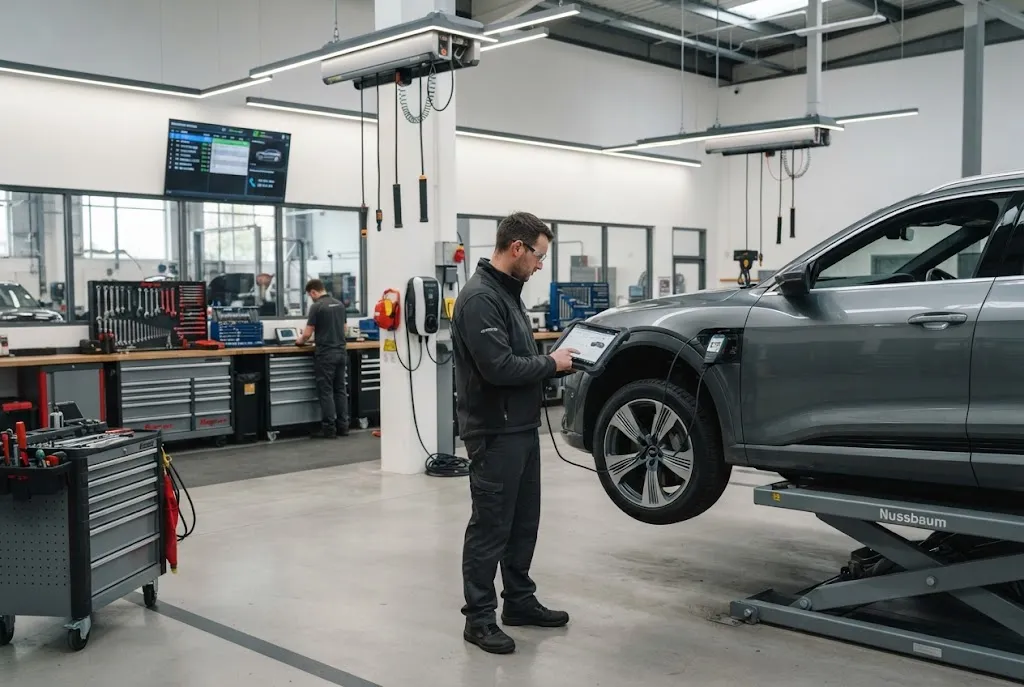
Advanced diagnostics are becoming increasingly important during vehicle servicing and repair. Modern cars can generate electronic fault information that helps technicians investigate warning lights or unusual behaviour.
Diagnostic equipment can provide useful information, but it does not automatically identify the complete cause of every problem. Technicians may need to combine diagnostic results with physical inspection and further testing.
This is particularly relevant as cars become more dependent on electronic systems. A modern workshop may need expertise across mechanical components, electrical systems, sensors and software-related faults.
Our guide to vehicle maintenance explores this broader shift towards preventive care, smart diagnostics and digitally supported maintenance.
Modern Cars Are Changing Workshop Requirements
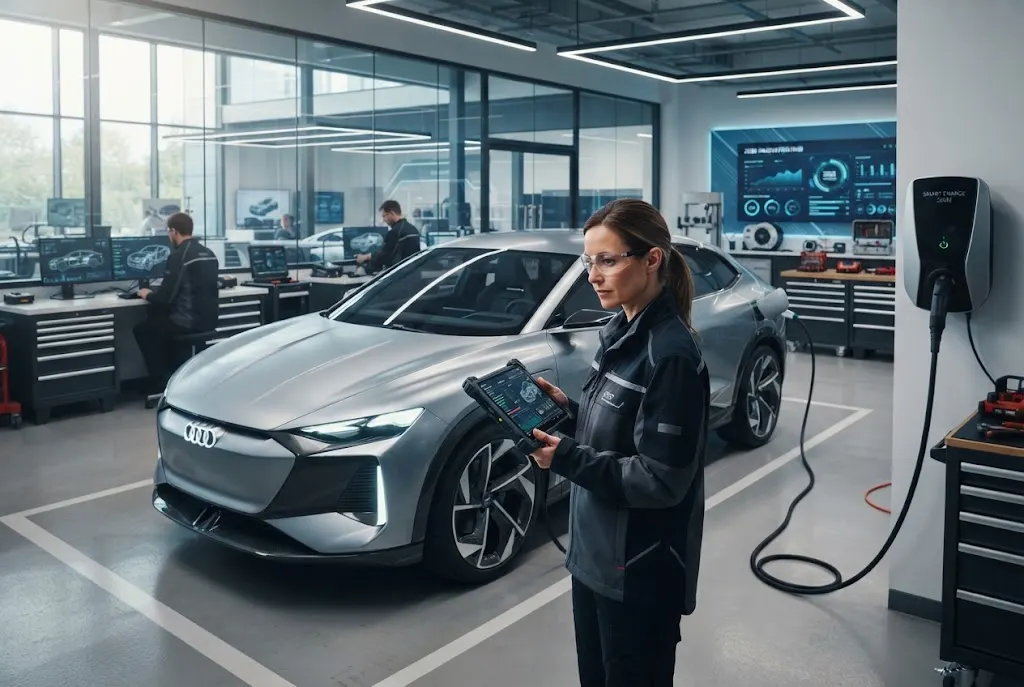
The vehicles arriving at UK garages are becoming increasingly diverse. Petrol and diesel vehicles remain important, while hybrid and electric vehicles are changing the technical requirements for workshops.
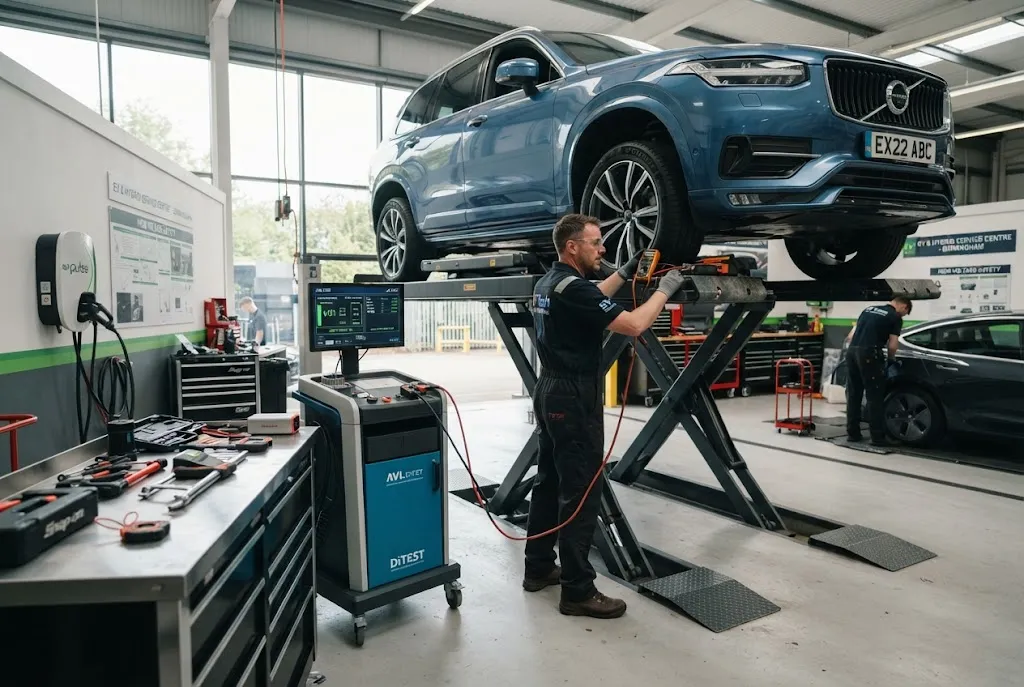
Electric vehicles use high-voltage systems and different drivetrain technology from conventional cars. Hybrid vehicles combine electric components with an internal combustion engine. Both can require appropriate training, equipment and safety procedures.
This means motorists should consider whether a garage has the relevant expertise for their vehicle. A workshop that is well equipped for conventional vehicles may need additional capabilities to work safely on newer powertrains.
Drivers can learn more about changing maintenance requirements in our guide to car servicing, which examines the broader trends affecting modern vehicle care.
What Digital MOT Means for Garages
Digital transformation also changes the operational requirements for testing stations.
Authorised examiners are responsible for supplying and maintaining the IT equipment and internet connection required for the MOT testing service. DVSA guidance states that the service is designed to work across modern computers and tablets and requires an appropriate internet connection.
Garages therefore need more than physical testing equipment. They also need reliable digital infrastructure, appropriate software access and staff who understand how to use the relevant systems.
This adds another layer to the modern garage environment. Traditional mechanical expertise remains essential, but digital administration, diagnostics and data handling are increasingly part of everyday workshop operations.
Connected Vehicles Could Influence Future Servicing
Connected vehicle technology could have a growing influence on vehicle maintenance. Depending on the vehicle and systems involved, connected technology can generate and communicate information about vehicle operation.
As this technology develops, it may become easier for drivers and service providers to identify potential maintenance issues earlier. Instead of relying entirely on a driver noticing a symptom, connected information could provide additional clues about vehicle condition.
This could support a more preventive approach to servicing. However, connected data should complement rather than replace scheduled maintenance and professional inspections.
The long-term direction is likely to be towards maintenance that is increasingly informed by the actual condition and usage of a vehicle.
Advanced Safety Systems Add Another Layer
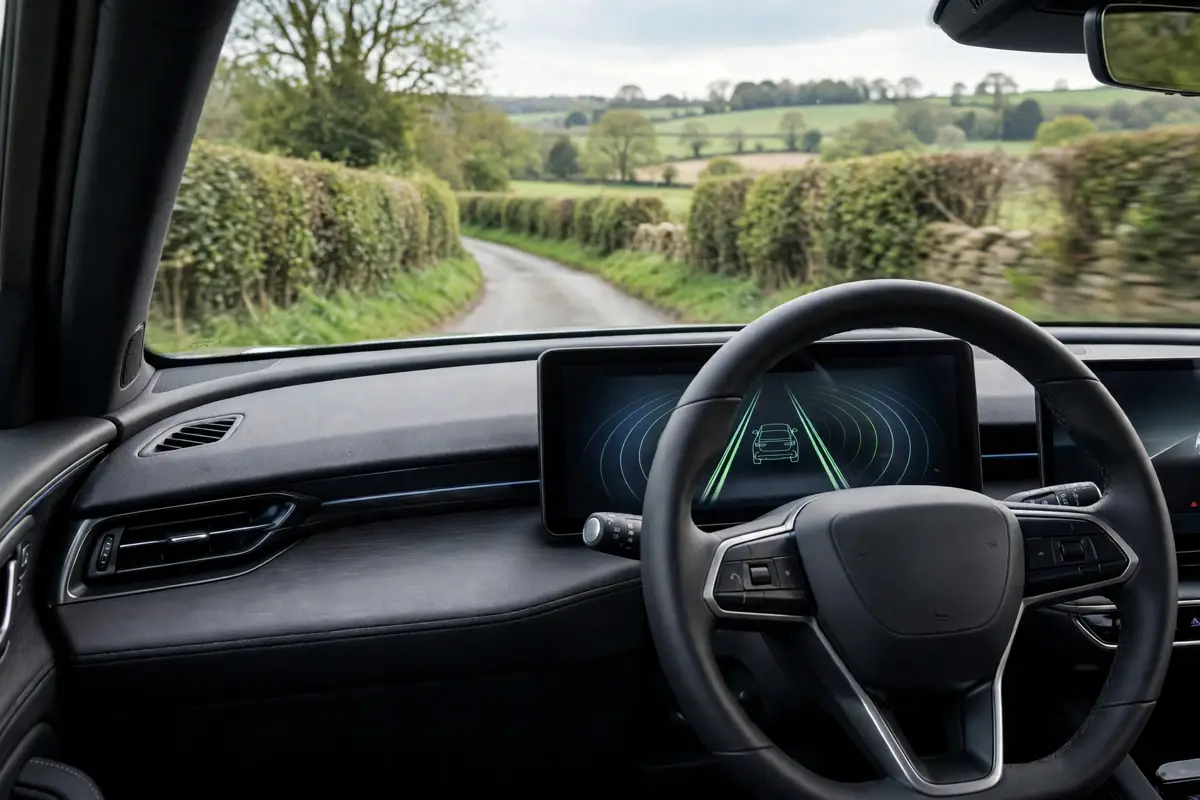
Many newer vehicles feature driver assistance systems that use cameras, radar, sensors or other technology. These systems can contribute to vehicle safety, but they also create additional technical considerations for workshops.
Certain repairs or changes to a vehicle may require relevant systems to be inspected or calibrated according to manufacturer procedures. This makes technician knowledge particularly important when working on modern vehicles.
Drivers should tell their garage about any warning messages or unusual behaviour involving driver assistance features. Ignoring electronic warnings can mean overlooking an issue that deserves professional investigation.
How Digital Technology Supports Road Safety
The purpose of the MOT is connected directly with roadworthiness and environmental standards. The DVSA states that the statutory test contributes to the government’s road safety strategy.
Digital systems can support this objective by making testing information easier to record, retrieve and monitor.
Electronic MOT records allow enforcement bodies to access relevant information directly. The DVSA also uses digital systems to monitor testing standards and manage authorised testing stations.
These developments do not change the fundamental responsibility of approved testers. MOT testers must still carry out the inspection according to the relevant standards, and testing stations remain subject to DVSA oversight.
How Drivers Can Prepare for an MOT and Service
Good preparation can make a garage visit more straightforward. Drivers do not need to perform technical work themselves, but they can keep useful information ready for the technician.
- Check when the vehicle’s MOT is due.
- Keep servicing and repair records available.
- Tell the garage about warning lights or unusual vehicle behaviour.
- Provide details of recent repairs or recurring problems.
- Check the manufacturer’s recommended service schedule.
- For electric or hybrid vehicles, choose a provider with suitable technical expertise.
- Ask what work is included in the service before approving it.
Drivers can also use the official MOT history service to review previous test results and recorded mileage. This can provide useful background information when managing a vehicle’s maintenance history.
Choosing a Garage for MOT and Service Work
Price is naturally an important consideration when choosing a garage, but motorists should also compare what is actually included in the service. Two businesses may advertise similar prices while offering different levels of maintenance or customer support.
Drivers should look for clear explanations, appropriate equipment and technicians who understand their particular vehicle. Digital inspections can be useful, but they should support thorough professional checks rather than simply provide a modern-looking customer interface.
For more complex repairs, the garage’s diagnostic capability can also matter. Our guide to auto repair services looks at how repair technology, advanced diagnostics and smart workshop systems are changing the wider repair sector.
What the Future of MOT and Service Could Look Like
The future of MOT and service work is likely to involve greater use of digital records, connected vehicle information and increasingly sophisticated workshop equipment. Garages will need to keep pace with vehicles that contain more electronic systems and new powertrain technologies.
Digital booking and inspection platforms can make the customer journey easier, while improved diagnostic technology can help technicians investigate complex problems more efficiently.
Predictive maintenance could also become more relevant as connected vehicles provide more information about component condition and vehicle usage. Such systems may eventually help identify potential maintenance needs before a driver experiences a significant problem.
Nevertheless, the basic principles of vehicle safety will remain. Professional inspection, appropriate testing standards, skilled technicians and responsible maintenance will continue to be essential.
Keeping MOT and Service Work on Track
For UK motorists, the most effective approach is to understand the different roles of an MOT and a service. The MOT addresses specific legal testing requirements, while servicing helps maintain the vehicle according to its maintenance needs.
Modern technology is making both processes more convenient and information-rich. Digital bookings, inspection reports, electronic records and advanced diagnostics can help garages deliver a better customer experience and support more informed maintenance decisions.
As vehicles become more connected and technologically advanced, workshops will need to combine established automotive skills with new diagnostic and digital capabilities. Drivers can benefit from this transition by choosing providers with the appropriate equipment and expertise for their vehicle.
Ultimately, modern MOT and service practices are not about replacing traditional vehicle care. They are about using better information and technology to support safer, more transparent and more effective vehicle maintenance.