

Car servicing is becoming more technology-driven as UK motorists adopt newer vehicles, expect greater convenience and become more aware of the importance of preventative maintenance. While regular servicing remains essential for keeping a vehicle safe and reliable, the way drivers arrange, monitor and manage vehicle care is changing.
From digital booking systems and electronic service records to smarter diagnostics and specialist expertise for hybrid and electric vehicles, modern garages are adapting to changing customer expectations. These developments are also influencing what motorists look for when choosing a garage and planning their vehicle maintenance.
Why Car Servicing Is Changing
For many years, car servicing followed a relatively familiar process. Drivers booked their vehicle into a garage, technicians carried out scheduled checks and maintenance, and the customer collected the vehicle once the work was complete.
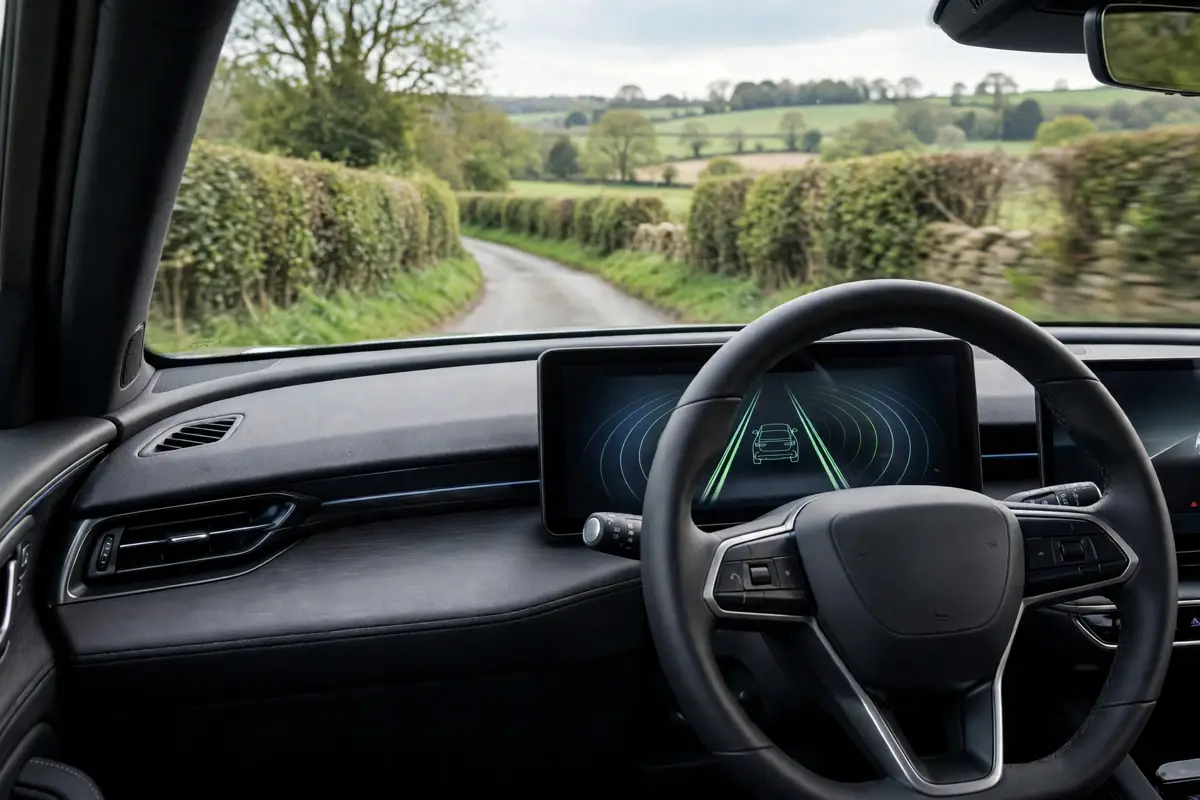
That basic process remains important, but modern vehicles have introduced additional technical requirements. Cars now contain more electronic systems, sensors, driver assistance technology and software than older models. As a result, servicing increasingly involves both traditional mechanical inspections and electronic diagnostics.
Customer expectations are changing at the same time. Drivers want easier booking, clearer estimates, better communication and greater visibility over work recommended by a garage. These factors are helping shape the latest servicing trends across the UK.
Car Servicing Is Becoming More Digital
One of the clearest changes in car servicing is the growing use of digital tools. Drivers can increasingly research garages, compare services and book appointments online without making a phone call.
Digital booking systems can make the process more convenient for both motorists and garages. Customers can select available appointment times, enter vehicle information and receive reminders before their booking.
Some workshops are also using digital vehicle inspections. Instead of relying entirely on a verbal explanation, technicians can provide customers with photographs, inspection notes and recommendations through digital platforms.
This can make repair decisions easier to understand. It also gives motorists a clearer record of what was found during an inspection and which work may need attention.
Full Car Service, Interim Service and Major Service
Not every vehicle requires the same level of servicing at every visit. The appropriate service depends on the vehicle manufacturer’s recommendations, its age, mileage, usage and previous maintenance history.
Full Car Service
A full car service generally involves a broader range of checks and maintenance than a basic interim inspection. Depending on the vehicle and service schedule, technicians may inspect components such as brakes, tyres, steering, suspension, fluids and engine-related systems.
Drivers should always check what is included before booking because service packages can vary between garages.
Interim Service
An interim service can be useful for vehicles that cover high mileage or are used particularly frequently. It provides an additional opportunity to check important components between larger scheduled services.
Whether an interim service is appropriate depends on the manufacturer’s servicing schedule and the way the vehicle is used.
Major Service
A major service normally involves more extensive checks and replacement of certain service items where required by the manufacturer’s schedule. The exact requirements differ between vehicles.
Rather than selecting a service package based solely on its name, motorists should ask the garage to explain which checks and replacement items are included for their specific vehicle.
Smarter Diagnostics Are Influencing Servicing Trends
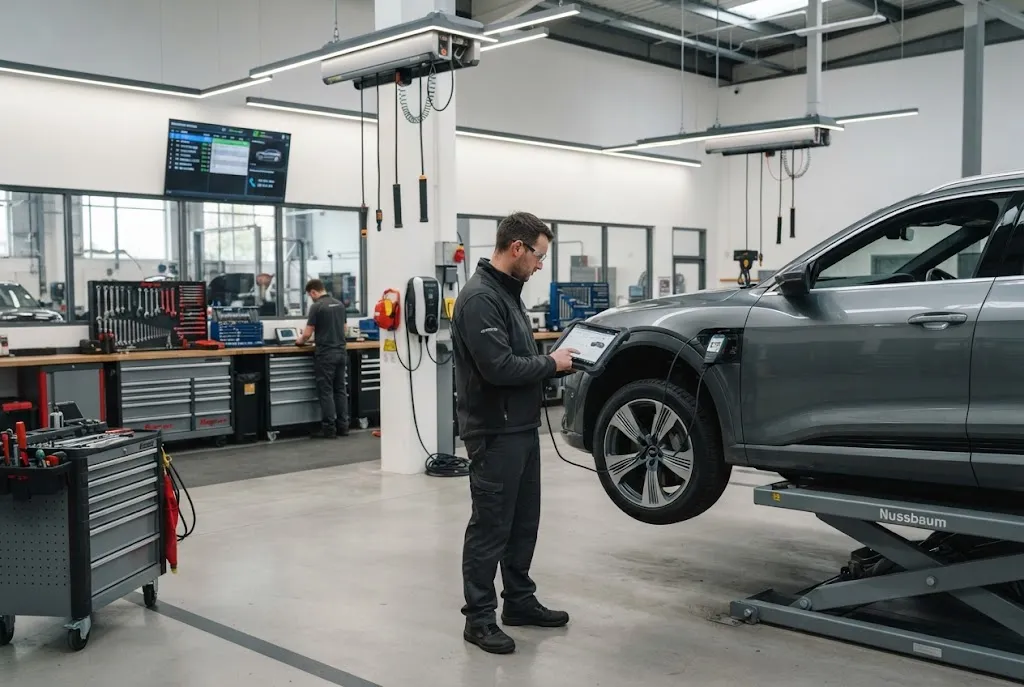
Modern diagnostic technology is becoming increasingly important in car servicing. A technician may need to assess electronic control systems and interpret information from sensors before deciding whether a component requires attention.
Diagnostic equipment can help identify faults more efficiently, but it should be used alongside physical inspections and professional judgement. A fault code does not always mean that the component displaying the code needs to be replaced.
This is why technician knowledge remains essential. Modern servicing requires professionals who understand both mechanical systems and increasingly sophisticated electronic vehicle architecture.
Drivers can learn more about this wider development through our guide to vehicle maintenance, which explores how preventive and technology-led maintenance are changing modern vehicle ownership.
Electric and Hybrid Cars Are Creating New Servicing Requirements
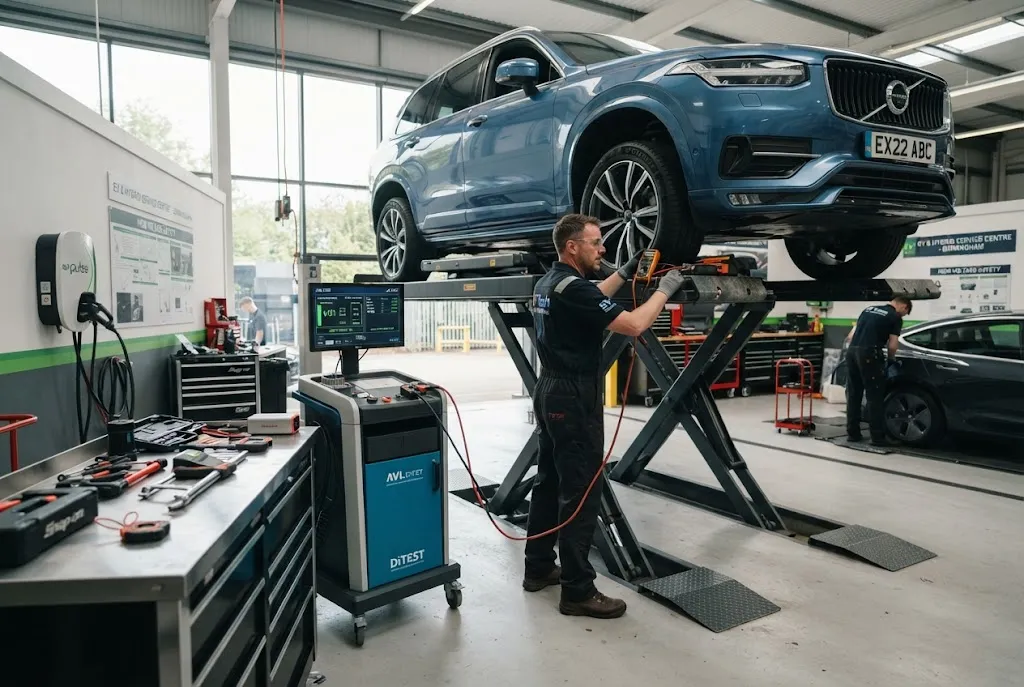
The changing UK vehicle market is also affecting garage services. Hybrid and electric vehicles use different powertrain technologies, which means technicians need appropriate knowledge, equipment and safety procedures.
Electric vehicles contain high-voltage components, while hybrids combine electric systems with conventional engines. Servicing these vehicles can therefore involve procedures that differ from those used on traditional petrol or diesel cars.
This does not mean every electric or hybrid vehicle requires servicing in exactly the same way. Maintenance requirements vary according to the vehicle manufacturer and model. However, motorists should make sure that their chosen garage is equipped and trained to work safely on the relevant vehicle.
For a closer look at this changing area of vehicle care, see our guide to EV servicing and our related coverage of hybrid servicing.
Ownership Habits Are Affecting Car Servicing
Changes in vehicle ownership are also influencing servicing behaviour. Some motorists keep cars for longer, while others change vehicles more frequently. Drivers who cover high annual mileage can have different maintenance needs from those who use their vehicles mainly for short local journeys.
Driving conditions matter too. Frequent short journeys, heavy traffic, towing and repeated stop-start driving can place different demands on a vehicle compared with regular motorway driving.
This is why servicing should not be treated as a completely generic process. The manufacturer’s recommended schedule provides an important starting point, while actual vehicle use can help determine which maintenance issues deserve additional attention.
Preventive Maintenance Is Becoming a Bigger Priority
One of the most useful servicing trends is the greater emphasis on preventing problems rather than simply reacting to failures.
Regular inspections can help identify worn tyres, brake issues, fluid problems, battery concerns and other developing faults before they become more serious. Early attention does not guarantee that a vehicle will avoid every breakdown, but it can help motorists manage maintenance more proactively.
Tyres are a particularly important part of routine vehicle care. Checking tread depth, tyre condition and pressures should form part of responsible vehicle ownership. Wheel alignment can also affect tyre wear and handling, making it another area worth considering when unusual wear develops.
Our wheel alignment guide provides further information about why correct alignment matters for modern vehicles.
Garage Innovations Are Improving Customer Service
Technology is changing the customer experience as well as the technical side of servicing. Modern garages can use workshop management systems to coordinate bookings, vehicle records, estimates, job progress and invoices.
Automated updates can also keep customers informed while their vehicle is being inspected. Instead of waiting for a phone call, motorists may receive a message when an inspection is complete or when additional work has been identified.
Digital inspection reports can make recommendations easier to understand. Where supported by the garage’s system, customers may be able to see images of worn or damaged components before authorising work.
These developments are particularly useful when they improve transparency rather than simply adding another layer of technology. Customers still need clear explanations from qualified professionals when a significant repair is recommended.
What Drivers Should Look for in Modern Car Servicing
As servicing becomes more sophisticated, motorists have more factors to consider when choosing a garage. Price is naturally important, but it should not be the only consideration.
- Check whether the garage has experience with your vehicle make and model.
- Ask what is included in the proposed service.
- Check whether the workshop has suitable diagnostic equipment.
- For hybrid or electric vehicles, confirm that technicians have the appropriate training.
- Ask how the garage communicates inspection findings and additional recommendations.
- Keep copies of invoices and service records for future reference.
- Compare the service specification rather than comparing headline prices alone.
A transparent garage should be able to explain what your vehicle needs and distinguish between essential work, recommended maintenance and items that can reasonably be monitored.
How Digital Records Could Change Vehicle Servicing
Service history is becoming increasingly important as vehicle maintenance becomes more digital. Electronic records can make it easier to track previous work, scheduled maintenance and repairs.
For motorists, keeping accurate records can also be useful when selling a vehicle. A clear history gives prospective buyers a better understanding of how the car has been maintained.
Digital records may become even more useful as connected vehicles provide more information about vehicle condition. In the future, maintenance systems could potentially combine service history, diagnostic information and vehicle usage data to help predict when certain maintenance tasks may be required.
The Future of Car Servicing in the UK
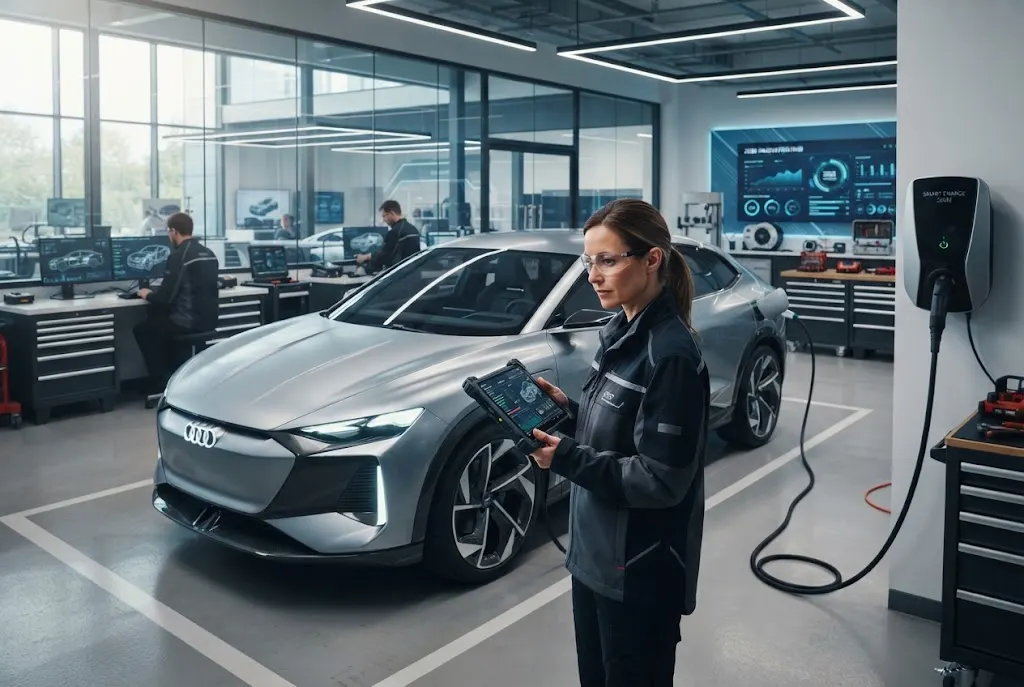
The future of car servicing is likely to combine established mechanical expertise with increasingly advanced digital technology. Garages will continue to inspect brakes, tyres, suspension and other physical components, while also dealing with software, sensors, electronic systems and new powertrain technologies.
Predictive servicing could become more common as connected vehicles generate more useful information. Instead of relying entirely on fixed intervals, some maintenance decisions may increasingly take actual vehicle condition and usage into account.
Artificial intelligence and advanced diagnostic systems may also help technicians analyse complex vehicle information. However, these technologies are most useful when they support qualified professionals rather than replace human assessment.
For motorists, the biggest benefit should be a more convenient and transparent approach to vehicle care. Better diagnostics, digital inspections and clearer communication can help drivers understand their vehicles and make more informed maintenance decisions.
Car Servicing Trends to Watch
Several developments are likely to remain important as the UK automotive service sector evolves. These include greater use of digital booking systems, smarter diagnostic tools, connected vehicle data, specialist EV and hybrid expertise and more convenient maintenance services.
At the same time, the fundamentals of good servicing will remain unchanged. Vehicles still require appropriate maintenance, qualified technicians and careful inspections to remain safe and dependable.
Ultimately, the most successful car servicing businesses will be those that combine technical capability with a customer-focused approach. For drivers, understanding these changes can make it easier to choose suitable services and keep vehicle maintenance on track.