

Auto inspection services are changing rapidly as modern vehicles become more connected, software-driven and dependent on advanced electronic systems. A traditional visual check still has an important role, but today’s vehicle inspection can go much further by combining physical assessments with digital diagnostics, electronic data and smarter maintenance planning.
For UK drivers, this shift matters because vehicle ownership is becoming increasingly technology-focused. Cars can now monitor numerous systems, store diagnostic information and communicate with connected devices. As a result, inspection technology is helping drivers and automotive professionals develop a clearer picture of overall vehicle health rather than simply reacting when a warning light appears.
Why Auto Inspection Services Are Becoming More Advanced
Vehicle inspections have traditionally focused on visible condition, mechanical components, safety-related checks and identifying obvious faults. Those fundamentals remain essential. However, modern vehicles contain a growing number of electronic control units, sensors and software systems that cannot always be assessed through a visual inspection alone.
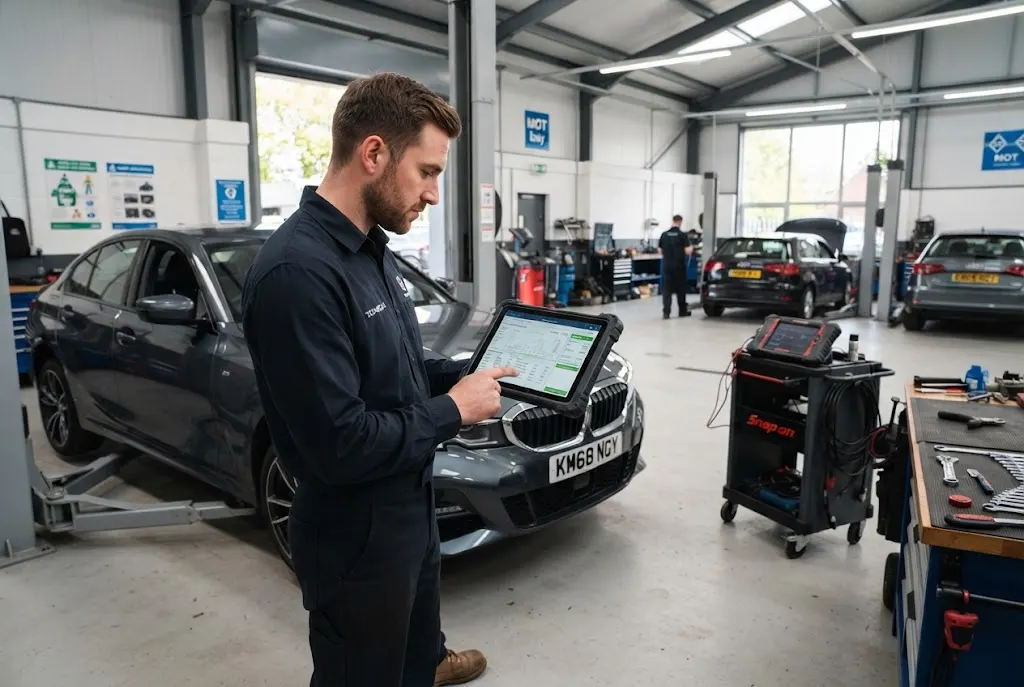
This is where digital diagnostics becomes increasingly useful. Diagnostic equipment can communicate with a vehicle’s onboard systems and help technicians identify stored fault information, irregular readings and potential areas requiring further investigation.
For drivers interested in broader mobile auto service, auto care services and convenient vehicle maintenance, advanced inspection technology can also make servicing more informed and efficient.
What a Modern Vehicle Inspection Can Reveal
A modern vehicle inspection is not simply about finding something that is already broken. The wider objective is to understand the condition of the vehicle and identify issues that may deserve attention before they become more expensive or disruptive.
Depending on the vehicle and inspection provider, a comprehensive assessment may consider warning lights, electronic fault codes, battery performance, braking components, tyres, fluid levels, suspension, steering and other important systems.
Digital records can make this information easier to understand and compare over time. Instead of relying entirely on memory, drivers can build a clearer maintenance history and identify recurring issues.
This approach connects naturally with car service cost planning. Understanding a vehicle’s condition earlier can help owners plan maintenance rather than being caught unexpectedly by a major repair bill.
Digital Diagnostics Are Changing Vehicle Inspections
Digital diagnostics is one of the most important developments in modern inspection technology. Many vehicles can provide electronic information about systems that would otherwise require extensive troubleshooting.
A diagnostic scan does not automatically mean that a fault has been fully diagnosed. Instead, it gives a technician valuable information that can guide further testing. A warning code, for example, may indicate an area requiring investigation rather than identifying one specific failed component.
This distinction is important for consumers. Good inspection services should combine diagnostic information with professional assessment rather than treating a computer-generated code as a complete diagnosis.
The UK’s approach to electronic vehicle information is also evolving. Government guidance on access to vehicle onboard diagnostic and repair information highlights how important digital information is becoming to modern vehicle maintenance. UK government information on vehicle onboard diagnostics provides useful context for this development.
AI Inspections and Smarter Vehicle Health Monitoring
Artificial intelligence is another technology increasingly associated with automotive inspection. AI inspections can potentially help analyse large amounts of vehicle information, identify unusual patterns and support technicians when prioritising areas for further investigation.
However, AI should be viewed as a supporting technology rather than a replacement for skilled automotive professionals. Physical components still need appropriate examination, and unusual diagnostic results may require hands-on testing.
The greatest opportunity is the combination of human expertise and intelligent software. A technician can use digital information to work more efficiently while applying experience and judgement to determine what actually needs repair or replacement.
This development is closely connected with wider automotive trends, including smart vehicles, connected cars, digital garages and increasingly sophisticated servicing systems.
Connected Vehicles Are Creating More Maintenance Data
Connected vehicles can generate significantly more information than older cars. Depending on the model and technology involved, vehicles may communicate information about system status, faults, driving conditions and maintenance requirements.
This creates opportunities for more proactive vehicle care. Instead of waiting until a problem becomes obvious, connected systems may help identify circumstances that deserve attention earlier.
For drivers, however, more data also creates a need for responsible handling. Vehicle information can be valuable, but owners should understand what information is being collected, who can access it and how it is being used.
Cybersecurity is also becoming increasingly important as vehicles become more connected. Modern automotive systems rely heavily on software, communications and electronic control systems, making security an important part of the wider connected-vehicle conversation.
Predictive Maintenance Could Reduce Unexpected Problems
Predictive maintenance takes the idea of proactive servicing further. Rather than following a purely fixed schedule or waiting for a failure, predictive systems can use available information to identify potential maintenance needs.
For example, repeated diagnostic information or changes in system performance may indicate that a component deserves closer attention. The goal is not necessarily to replace parts earlier than required, but to give drivers and technicians better information about when intervention may be appropriate.
Predictive maintenance can therefore become particularly useful when combined with a detailed vehicle history. Inspection results, service records and diagnostic information can collectively provide a stronger picture of long-term vehicle health.
Drivers exploring modern auto care services should increasingly expect maintenance to involve both physical checks and digital information.
How Inspection Technology Can Help Drivers
The biggest benefit of advanced inspection technology is better decision-making. A driver does not necessarily need to understand every diagnostic code or electronic system. What matters is receiving clear information about the vehicle’s condition and what action, if any, is recommended.
A useful inspection report should distinguish between urgent safety concerns, recommended maintenance and issues that can reasonably be monitored. This makes it easier to prioritise spending and avoid unnecessary repairs.
That approach can also support better car service cost planning. When drivers understand which work is urgent and which maintenance can be scheduled later, vehicle ownership becomes easier to budget for.
Auto Inspection Services for Electric and Connected Cars
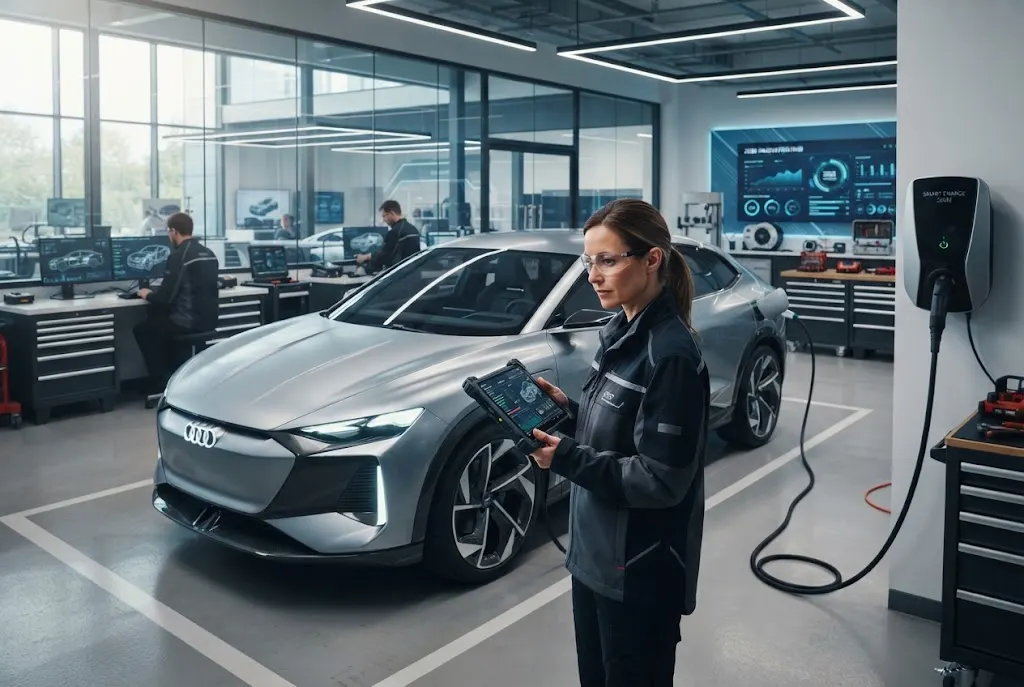
Electric vehicles and increasingly software-dependent cars are adding new considerations to vehicle inspections. Although many traditional inspection principles remain relevant, technicians may also need to understand high-voltage systems, electronic controls, battery-related information and software-dependent features.
This does not mean every inspection will become entirely digital. Tyres still need physical examination, brakes still require assessment and suspension components still need appropriate checks. Instead, future inspections are likely to combine traditional mechanical expertise with increasingly sophisticated digital tools.
This is one reason future automotive trends and mobile auto service are becoming increasingly connected. Consumers are looking for services that can work around modern vehicles as well as modern lifestyles.
What to Look for in Modern Inspection Services
When choosing auto inspection services, drivers should look beyond the promise of advanced technology. The quality of the inspection process and the expertise of the person interpreting the results remain crucial.
Consider whether the provider offers a clear inspection report, explains diagnostic findings in understandable language and separates confirmed faults from areas requiring additional testing.
It is also useful to ask whether digital records are retained and whether inspection findings can support future servicing decisions. A well-organised maintenance history can make subsequent vehicle care easier.
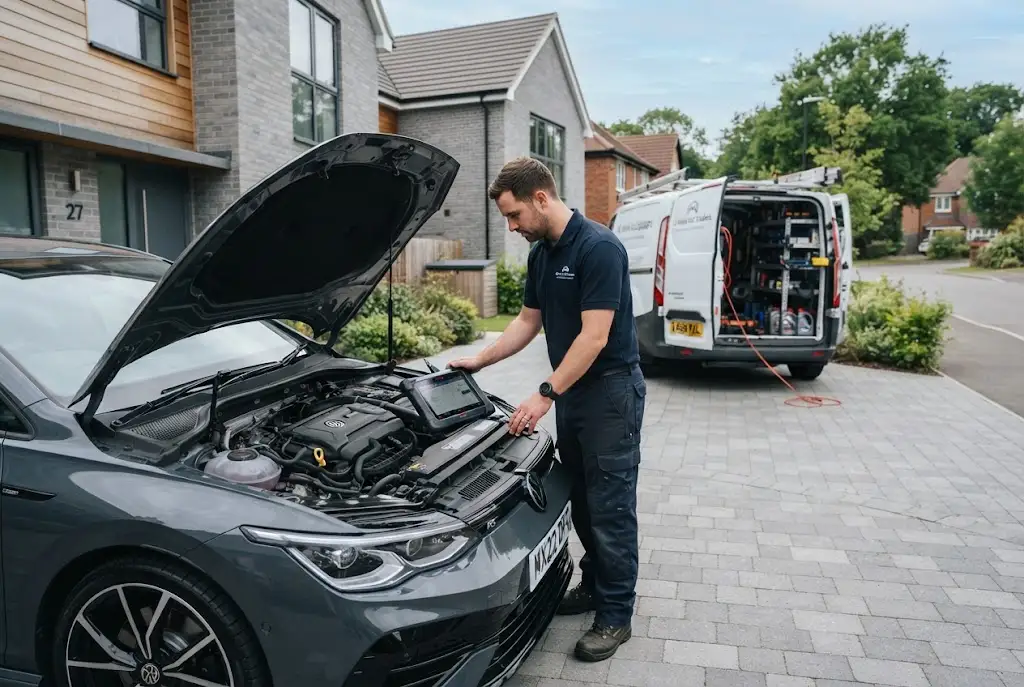
For people who value convenience, home servicing and mobile inspection options may also become increasingly attractive. The ability to arrange certain checks without taking time out for a traditional workshop visit reflects changing consumer expectations.
The Future of Vehicle Inspection
The next generation of vehicle inspections is likely to be more connected, data-driven and proactive. Digital diagnostics will continue to support technicians, while AI-powered tools may help analyse information and identify patterns. Connected vehicles will generate more maintenance data, and predictive maintenance could help owners address potential problems earlier.
At the same time, the fundamentals of responsible vehicle care will remain important. Technology can identify information, highlight anomalies and improve efficiency, but qualified professionals still need to interpret findings and carry out appropriate physical checks.
For UK motorists, the result could be a more transparent approach to vehicle ownership. Instead of treating an inspection as a single event, drivers can increasingly view vehicle health as an ongoing process supported by inspection technology, digital records and smart servicing.
These developments will also influence the wider automotive trends shaping the industry, from connected cars and AI servicing to digital garages and new approaches to mobility.
Why Vehicle Health Will Matter More
As vehicles become more sophisticated, understanding vehicle health will become increasingly important. A car may look perfectly normal while an electronic or mechanical issue is developing beneath the surface. Advanced inspection methods can provide another layer of visibility.
For owners, that means better information can lead to better maintenance decisions. For service providers, it means investing in the right inspection technology and developing the expertise needed to interpret increasingly complex vehicle data.
Ultimately, the future of auto inspection services is not about replacing traditional automotive knowledge. It is about combining proven inspection practices with digital diagnostics, connected technology, AI-assisted analysis and predictive maintenance to create a more informed approach to vehicle care.
As these technologies mature, drivers can expect inspections to become more detailed, more convenient and increasingly focused on understanding the complete health of the vehicle rather than simply reacting to a breakdown.