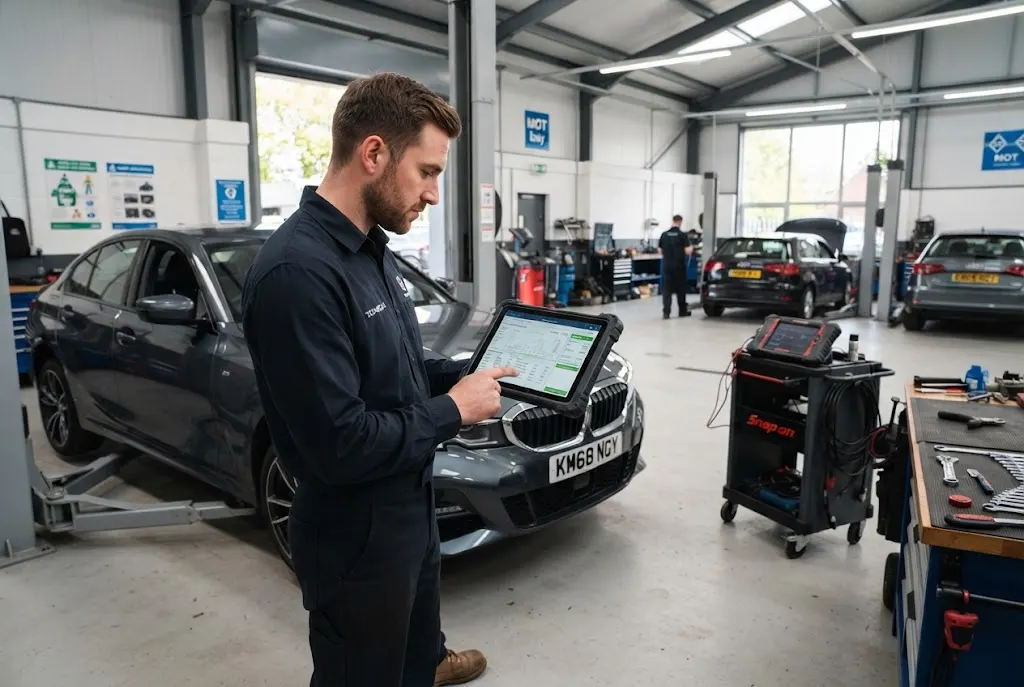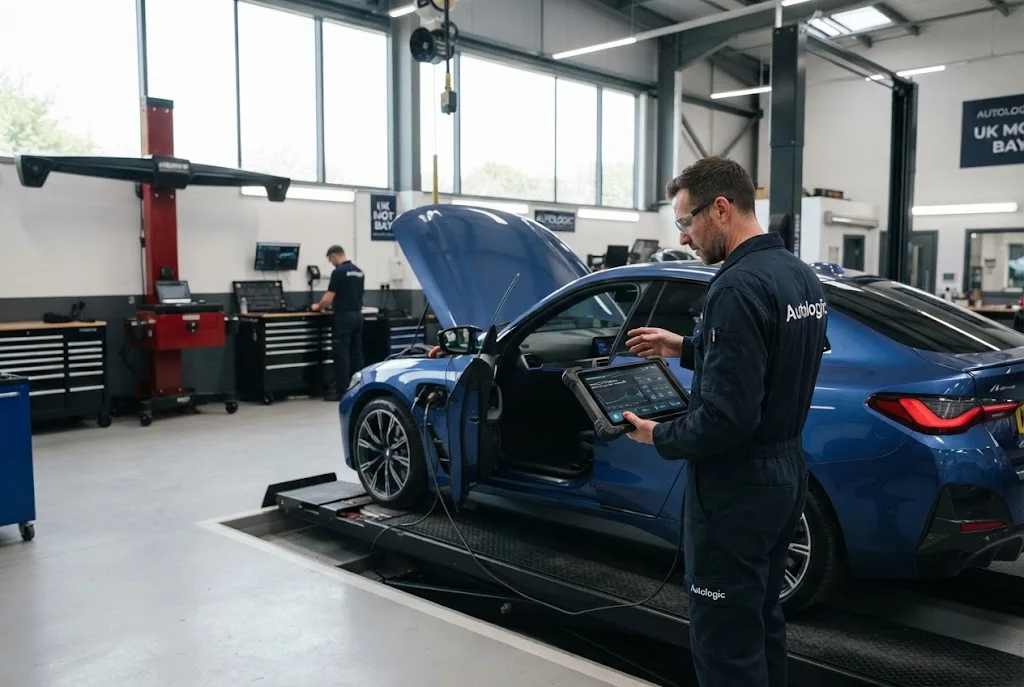


Mobile auto service is becoming an increasingly practical option for drivers who want vehicle maintenance and repairs without making a traditional garage visit. Instead of taking a car to a workshop, a mobile mechanic can travel to a customer’s home, workplace or another suitable location to carry out selected services.
This shift reflects a wider change in consumer expectations. Drivers increasingly value convenience, transparent communication and services that fit around busy schedules. At the same time, improvements in diagnostic equipment and digital booking systems are making it easier for automotive professionals to deliver more services outside a conventional workshop.
Mobile servicing does not replace every type of garage repair. However, for suitable maintenance and repair jobs, it can provide a convenient alternative that combines professional automotive expertise with on-demand servicing.
Why Mobile Auto Service Is Growing
The traditional garage model requires the vehicle owner to make time for the journey, arrange transport or wait while work is completed. For many drivers, that process can be inconvenient, particularly when the car is used for commuting, childcare, business travel or other daily responsibilities.
Mobile auto service changes the process by bringing the technician to the customer. Depending on the provider and the job, work may be completed at a residential driveway, workplace car park or another appropriate location.
This convenience is one reason mobile servicing is becoming part of wider automotive trends. The industry is increasingly moving towards digital bookings, connected vehicles, smarter diagnostics and services designed around the customer’s schedule.
What Does a Mobile Mechanic Do?
A mobile mechanic is an automotive professional who performs suitable inspection, maintenance and repair work away from a fixed workshop. The exact services available vary between providers because some jobs require specialist equipment, lifting facilities or controlled workshop conditions.
Common mobile services may include routine maintenance, battery-related work, diagnostic checks, minor repairs, brake-related work and other tasks that can be safely completed at the customer’s location.
Before booking, drivers should explain the vehicle’s symptoms and ask whether the required work can be completed as a mobile repair. A reputable provider should be able to clarify what is practical before arranging the appointment.
Home Servicing Makes Maintenance More Convenient
One of the strongest attractions of mobile mechanics is home servicing. Instead of rearranging a day around a garage appointment, a driver may be able to have suitable maintenance completed while staying at home.
This can be particularly useful for people who work remotely, have limited access to alternative transport or simply prefer not to spend time waiting in a workshop. It also provides a practical option when a vehicle has developed a problem but can still be safely accessed at its current location.
However, convenience should never take priority over safety. If a vehicle has suffered a serious mechanical failure or is unsafe to drive, roadside assistance or vehicle recovery may be more appropriate than attempting to move it to another location.
On-Demand Servicing Fits Changing Consumer Habits
On-demand servicing is part of a broader consumer shift towards services that can be booked when and where they are needed. Customers are already familiar with scheduling deliveries, appointments and other services through digital platforms, so automotive maintenance is increasingly being viewed through the same convenience-focused lens.
App-based mechanics can take this concept further by allowing customers to request services, select appointment times, provide vehicle information and communicate with technicians digitally.
The precise features vary by provider, but the underlying idea is straightforward: make the process of arranging vehicle care simpler and more accessible.
Mobile Repairs Can Save Valuable Time
Time is one of the biggest advantages associated with mobile repairs. When a suitable job can be completed at a customer’s location, there may be no need to arrange a separate journey to and from a workshop.
For business users, this can be especially useful. A vehicle that supports daily work activities can potentially receive suitable maintenance at a convenient location rather than being unavailable for longer than necessary.
That does not mean every mobile repair will be faster than a workshop repair. Some problems require additional diagnosis, specialist machinery or parts that are not immediately available. The value of mobile servicing is therefore best understood as flexibility rather than a guaranteed shorter repair time.
Roadside Assistance and Mobile Mechanics
Mobile mechanics and roadside assistance can overlap, but they are not always the same service. Roadside assistance is generally associated with helping motorists when a vehicle becomes immobilised or develops an urgent problem during a journey.
A mobile mechanic may instead be booked for planned maintenance, diagnosis or repairs at a customer’s chosen location.
For drivers, understanding the distinction can make it easier to choose the right service. An unexpected breakdown on a busy road may require immediate roadside assistance, while a known maintenance issue may be better suited to a scheduled mobile appointment.
Digital Diagnostics Are Supporting Mobile Servicing
Modern diagnostic equipment is helping mobile technicians handle increasingly sophisticated vehicles. Many contemporary cars contain extensive electronic systems, and portable diagnostic tools can provide useful information when investigating warning lights or other symptoms.
A diagnostic scan is not necessarily a complete diagnosis. Skilled interpretation is still important because a fault code can point towards an area requiring investigation rather than identify one specific failed component.
This development connects mobile servicing with the wider growth of auto inspection services, where digital diagnostics, connected vehicles and vehicle health monitoring are becoming increasingly relevant.
As vehicle technology continues to develop, mobile technicians will need suitable equipment and knowledge to work effectively with both conventional and increasingly software-dependent vehicles.
What Mobile Auto Service Cannot Always Replace
Despite its advantages, mobile auto service is not suitable for every repair. Some jobs require specialist workshop equipment, vehicle lifts, extensive dismantling or controlled working conditions.
Major engine repairs, complex transmission work, extensive bodywork and certain high-voltage vehicle procedures may require a dedicated workshop. The appropriate choice depends on the vehicle, fault and equipment available to the technician.
For that reason, drivers should not choose a mobile provider simply because it is more convenient. The technician should have the appropriate qualifications, tools and experience for the work being requested.
How to Choose a Reliable Mobile Mechanic
As consumer demand grows, drivers have more choices. Taking a few sensible steps before booking can help separate professional providers from less suitable options.
Check the Service Offered
Confirm that the provider actually handles the type of work your vehicle requires. Give as much information as possible about the symptoms, warning lights and previous repairs.
Ask About Pricing
Request clarity about labour charges, diagnostic fees, parts and any call-out costs. A clear estimate can make it easier to understand the likely expense before work begins.
Look for Professional Standards
Check whether the technician has appropriate automotive experience and whether the business provides clear terms for its work. Reviews and customer feedback can also help you understand how a provider communicates and handles appointments.
Confirm the Location Requirements
Not every driveway, car park or roadside location is suitable for mechanical work. The technician may need adequate space, safe access and suitable conditions. Always follow the provider’s instructions regarding where the vehicle should be positioned.
Mobile Auto Service and Vehicle Ownership Costs
Convenience is not the only consideration when comparing servicing options. Drivers also need to understand the overall cost of maintaining their vehicles.
Mobile servicing can sometimes reduce the indirect cost of maintenance by saving travel time and reducing disruption. However, pricing varies according to the job, vehicle, parts and provider.
Understanding wider car service cost trends can therefore help drivers compare different maintenance options more effectively. The cheapest quote is not automatically the best choice if it comes with unclear terms or inadequate expertise.
Good maintenance planning also works alongside broader auto care services. Regular servicing, inspections and appropriate repairs can help owners make more informed decisions about long-term vehicle care.
The Future of App-Based Mechanics
Digital booking is likely to remain an important part of the mobile servicing model. Customers increasingly expect straightforward scheduling, appointment notifications and clear communication before and after work is completed.
As connected vehicles become more common, the relationship between digital vehicle information and mobile servicing may become even stronger. Diagnostic information could help technicians prepare for appointments, while digital service records could make vehicle histories easier to maintain.
These developments may also encourage more personalised maintenance. Instead of treating every vehicle according to a generic schedule, service providers may increasingly use vehicle-specific information to determine what deserves attention.
Mobile Auto Service Reflects a New Kind of Convenience
The rise of mobile mechanics is not simply about repairing cars outside a garage. It reflects a broader transformation in how consumers expect automotive services to work.
Drivers want professional help without unnecessary disruption, and technology is making that possible for an expanding range of services. Mobile repairs, home servicing, app-based bookings and portable diagnostics can all contribute to a more flexible ownership experience.
At the same time, responsible vehicle maintenance still depends on professional judgement and appropriate safety standards. Not every job belongs on a driveway, and customers should choose the service that genuinely suits the vehicle and repair.
As consumer demand for convenience continues to influence the automotive industry, mobile auto service is likely to become an increasingly familiar part of vehicle ownership in the UK. Its strongest advantage is simple: when the job is suitable for mobile servicing, professional vehicle care can come to the driver rather than requiring the driver to rearrange their day around the car.