

Car service cost remains an important consideration for UK motorists in 2026, particularly as drivers continue to balance routine maintenance with rising household expenses. The amount a motorist spends can vary considerably depending on the vehicle, its age, mileage, condition, service requirements and the type of garage or technician carrying out the work.
There is no single price that applies to every car. A basic service and a major service can involve very different levels of work, while unexpected repairs can add considerably to annual ownership costs. Understanding what influences servicing prices can therefore help drivers plan ahead, compare quotes and avoid treating vehicle maintenance as an unexpected expense.
Modern servicing is also becoming more closely connected with digital diagnostics, mobile repairs and preventive maintenance. As a result, drivers have more options for managing their vehicles than simply visiting a traditional garage whenever a problem appears.
What Determines Car Service Cost in 2026?
Several factors influence the price of maintaining a vehicle. The most obvious is the type of service required. A routine service may involve relatively straightforward checks and replacements, while a major service can require considerably more time and additional components.
The make and model of the vehicle also matter. Some cars use specialist parts, require particular diagnostic equipment or take longer to service. Premium and performance vehicles can have higher maintenance expenses because of their components and technical requirements.
Vehicle age and mileage are equally important. Older vehicles may require additional repairs as components wear, while higher-mileage cars can need more frequent attention to certain mechanical systems.
Servicing Prices Depend on the Type of Service
Drivers often use the word “service” to describe several different levels of vehicle maintenance. Understanding the distinction can make a quote easier to evaluate.
Interim Servicing
An interim service is generally associated with vehicles that are driven regularly and may need maintenance between larger scheduled services. The exact checks and replacements depend on the vehicle and manufacturer’s requirements.
Full Servicing
A full service typically involves a broader range of checks than an interim service. It may include inspections of important mechanical and safety-related components alongside routine maintenance tasks.
Major Servicing
A major service can involve additional checks and replacement items. The work required varies according to the vehicle’s maintenance schedule, mileage and condition.
For this reason, motorists should always ask exactly what is included in a quoted service rather than comparing prices based only on the word “service”.
Repair Costs Can Change the Annual Budget
Routine servicing is only one part of vehicle ownership. Unexpected repairs can have a much greater effect on annual spending, particularly when a component has failed or several issues are discovered during an inspection.
Brakes, suspension components, batteries, tyres, exhaust systems and other mechanical parts can eventually require attention. The cost depends on the specific vehicle and the extent of the work involved.
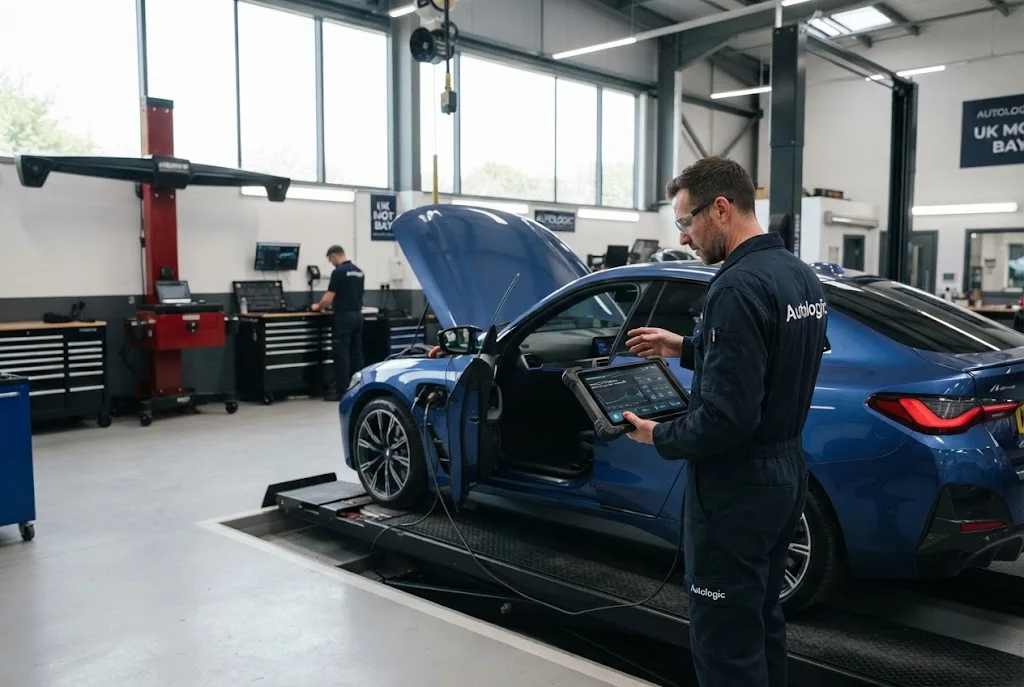
This is where regular auto inspection services can play a useful role. Identifying developing issues earlier does not guarantee that repairs will be cheaper, but it can give drivers more time to understand the problem and plan the necessary work.
How Inflation Can Affect Maintenance Expenses
Inflation can influence vehicle ownership in several ways. Labour, energy, workshop operating expenses, parts and other business costs can all affect what service providers charge.
However, motorists should avoid assuming that every increase in a garage quote is simply caused by inflation. Prices can also vary because of parts quality, technician expertise, vehicle complexity, diagnostic requirements and the amount of work involved.
For consumers, the most useful approach is to compare like-for-like quotes. A cheaper price may not represent better value if important checks, quality parts or necessary diagnostic work are excluded.
Car Service Cost and Consumer Spending
Vehicle maintenance competes with many other household expenses, so budgeting has become increasingly important. Drivers who wait until a major repair is unavoidable may find it more difficult to manage the resulting bill.
A better approach is to treat maintenance as a predictable part of ownership. Setting aside money regularly can make routine servicing and likely repairs easier to absorb.
Keeping accurate service records can also help. When owners know what work has already been completed, they are better positioned to discuss upcoming maintenance with a technician and avoid unnecessary duplication.
Smart Maintenance Can Improve Budget Planning
Smart maintenance is about being proactive rather than simply reacting to breakdowns. Drivers can follow the manufacturer’s recommended servicing schedule, monitor warning lights, check tyres and fluids as appropriate, and address unusual changes in vehicle behaviour.
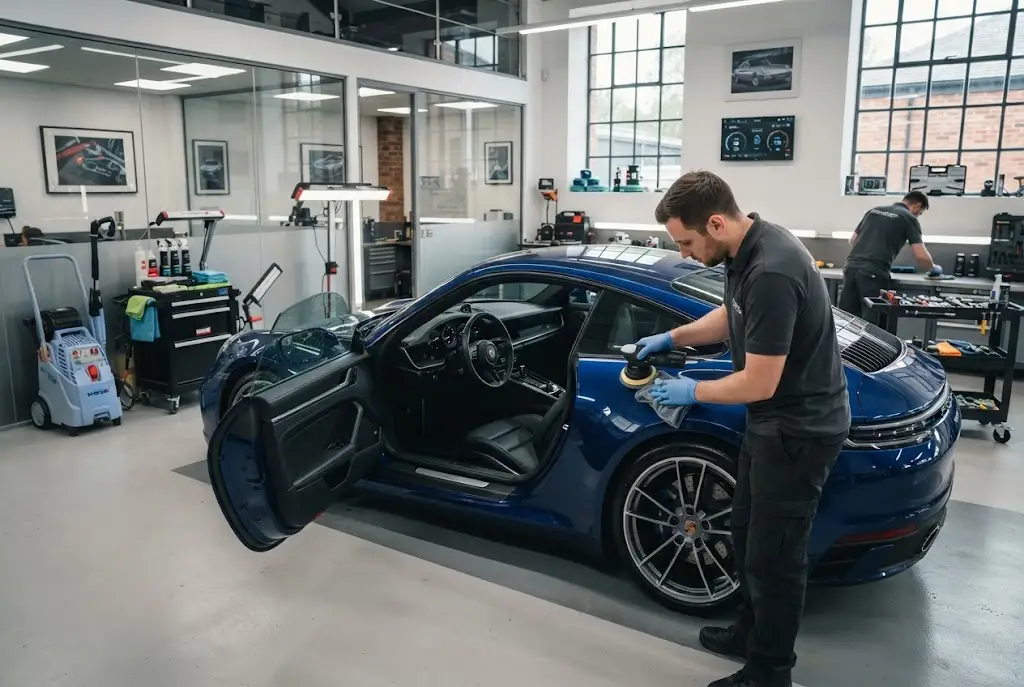
Modern auto care services can support this wider approach by combining routine maintenance with vehicle cleaning, detailing and other ownership needs.
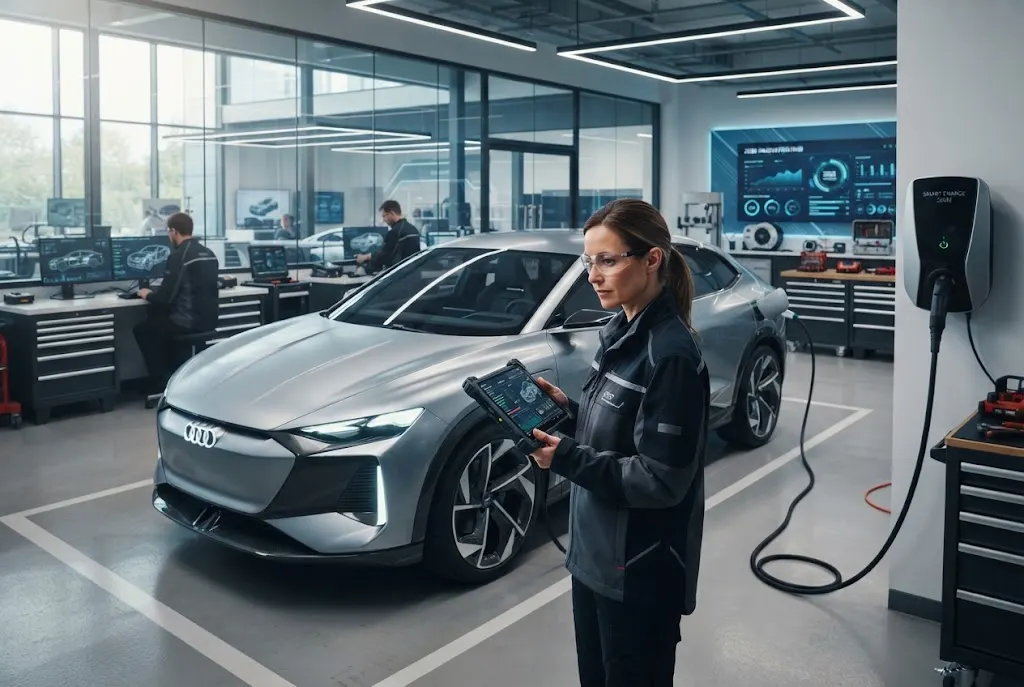
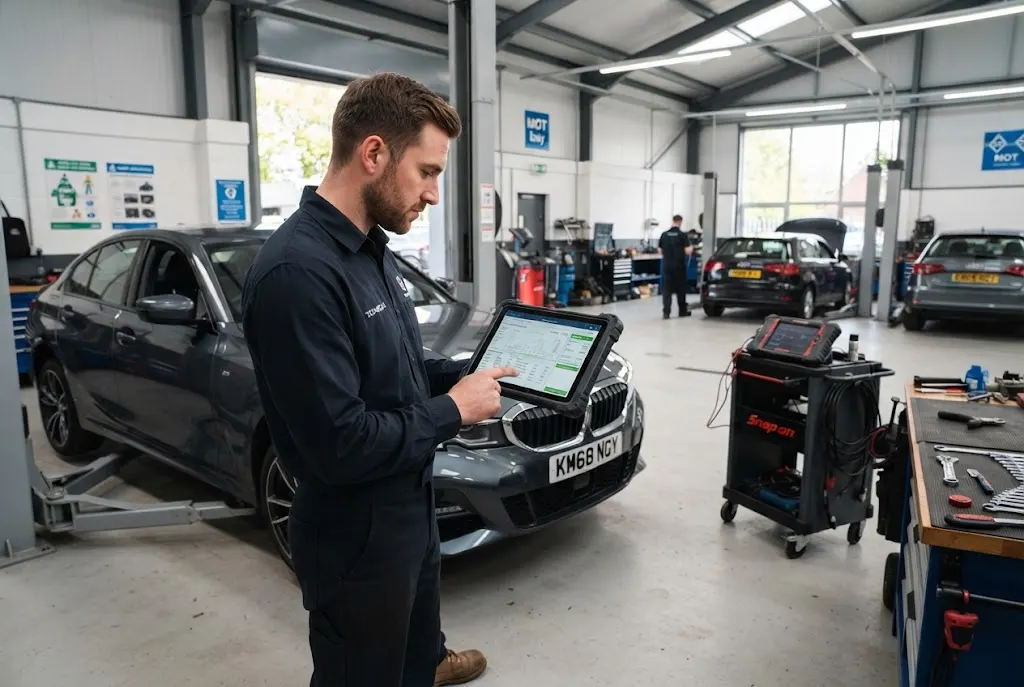
Advanced diagnostic systems can also provide useful information when a warning light appears. While electronic diagnostics do not replace professional inspection, they can help technicians identify where further investigation may be required.
Does Mobile Servicing Change the Cost?
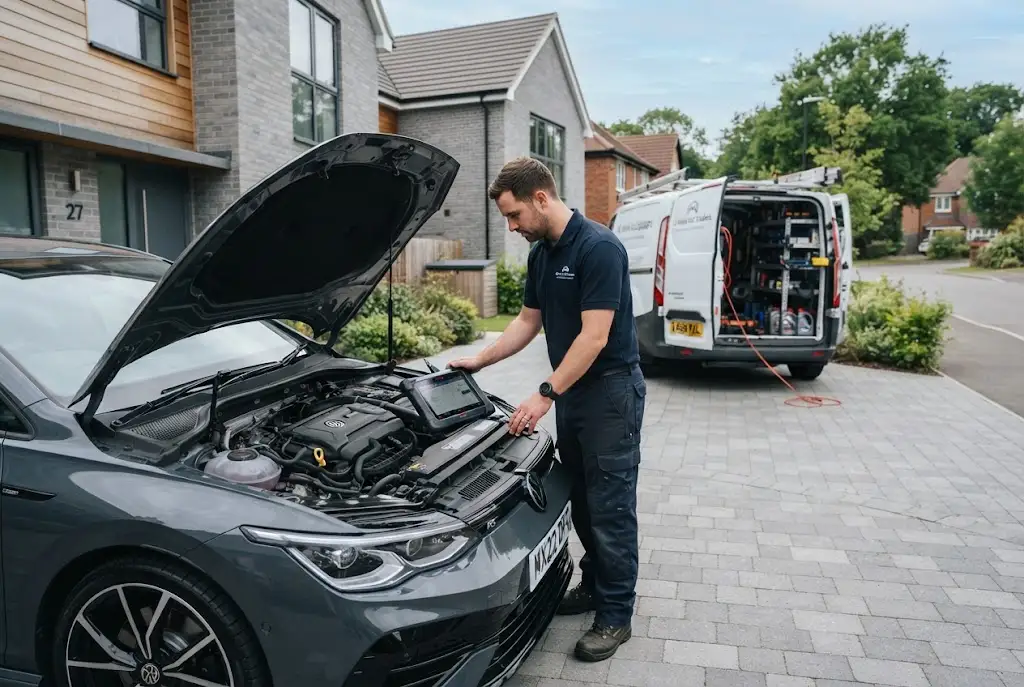
The growth of mobile auto service has introduced another option for drivers comparing maintenance arrangements. A mobile mechanic can perform suitable work at a customer’s home, workplace or another appropriate location.
Mobile servicing does not automatically mean a lower bill. Prices vary according to the technician, vehicle, parts and job. However, convenience can have value because the driver may save travel time and avoid arranging transport to and from a traditional workshop.
For suitable repairs, this flexibility can make maintenance easier to fit around work and family commitments. More complex jobs may still require a conventional workshop with specialist equipment.
How to Compare Servicing Prices Properly
When comparing servicing prices, motorists should look beyond the headline figure. Ask the provider to explain what is included and whether parts, labour, diagnostics and any additional charges are covered.
It is also worth confirming whether the quoted price is fixed or whether additional work could be recommended after inspection. This does not necessarily indicate a problem with the provider; unexpected findings are possible during legitimate vehicle maintenance.
A useful comparison should consider:
- The exact type of service being offered.
- Which components and checks are included.
- Whether labour is included in the quoted price.
- Whether parts are included and what type will be used.
- Whether diagnostic work carries a separate charge.
- Whether additional repairs require approval before work begins.
This makes it easier to compare the real value of different servicing options rather than choosing based solely on the lowest initial figure.
How Vehicle Age Influences Ownership Costs
Newer vehicles can still have significant servicing requirements, but older vehicles may present a different financial pattern. As a car ages, wear-related repairs can become more frequent, particularly when components reach the end of their useful service life.
That does not automatically mean an older car is uneconomical. A well-maintained vehicle can continue to provide useful transportation for many years. The important consideration is whether expected maintenance remains reasonable compared with the vehicle’s value and the cost of replacing it.
Regular inspections and sensible maintenance planning can help owners make that decision using information rather than guesswork.
Technology Is Changing Automotive Pricing
Vehicle technology is influencing both servicing and the way maintenance is delivered. Modern cars increasingly rely on electronic systems, sensors and software, meaning technicians may need specialist diagnostic tools and training.
This development forms part of wider automotive trends, including connected vehicles, predictive diagnostics and digital garages.
As vehicles become more sophisticated, some servicing tasks may require more technical expertise than they did in older vehicles. At the same time, improved diagnostics can help technicians identify problems more efficiently when the correct tools and expertise are available.
How to Plan Your Vehicle Maintenance Budget
A practical maintenance budget should account for both predictable servicing and the possibility of unexpected repairs. Start by understanding the vehicle manufacturer’s maintenance schedule and identifying the work likely to be required during the year.
Next, consider the car’s age, mileage and recent repair history. A vehicle with recently replaced major components may have different short-term maintenance needs from one that has accumulated several unresolved issues.
It can also help to keep a separate reserve for unexpected repairs. This prevents routine servicing money from being consumed by an emergency repair and leaves the owner better prepared when something does go wrong.
Making Sense of Car Service Cost in 2026
The most important lesson for drivers is that car service cost cannot be reduced to one standard figure. Maintenance expenses depend on the vehicle, the work required, the provider and the condition of individual components.
Rather than searching for the cheapest possible service, motorists should focus on transparent pricing, appropriate expertise and maintenance that genuinely matches the vehicle’s requirements. A clear quote and a well-explained service can make it much easier to manage ownership expenses.
Drivers should also think beyond individual garage visits. Regular inspections, smart maintenance, appropriate vehicle care and convenient servicing options can all contribute to a more predictable ownership experience.
As automotive technology continues to develop, servicing will become increasingly connected with digital diagnostics, predictive maintenance and flexible service models. For UK motorists, understanding these changes can make it easier to plan spending and make informed decisions throughout the life of a vehicle.
Ultimately, managing maintenance expenses in 2026 is less about predicting one exact price and more about preparing for the different costs that vehicle ownership can bring. With sensible budgeting, regular servicing and timely attention to problems, drivers can reduce unpleasant surprises and take greater control of their long-term motoring expenses.