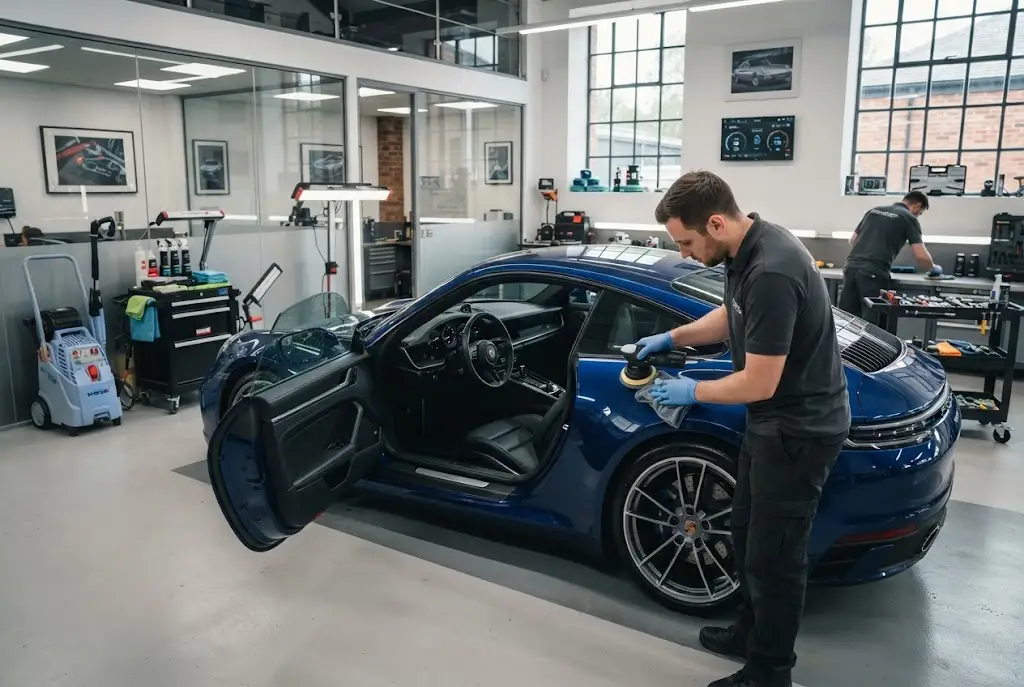


Auto care services are becoming more closely connected with the way people live, work and use their vehicles. Car ownership is no longer simply about keeping an engine running. Drivers increasingly care about appearance, comfort, convenience, preventive maintenance and the long-term condition of their vehicles.
This shift has created a broader approach to vehicle care. Traditional servicing remains essential, but modern drivers are also turning to car detailing, premium cleaning, smart maintenance tools and digital services. At the same time, growing awareness of sustainability is encouraging motorists to consider eco-friendly products and more responsible approaches to looking after their cars.
Understanding these changing ownership habits can help drivers build a practical routine that protects their vehicles without turning maintenance into an unnecessary chore.
Why Auto Care Services Are Changing
Modern vehicles are increasingly sophisticated, while drivers have become more conscious of how much their cars cost to own. Keeping a vehicle in good condition can support reliability, comfort and resale appeal, making regular care an important part of responsible ownership.
At the same time, convenience has become a major factor in consumer decisions. Drivers can now arrange many automotive services online, compare providers more easily and, in some cases, have suitable services performed at home or another convenient location.
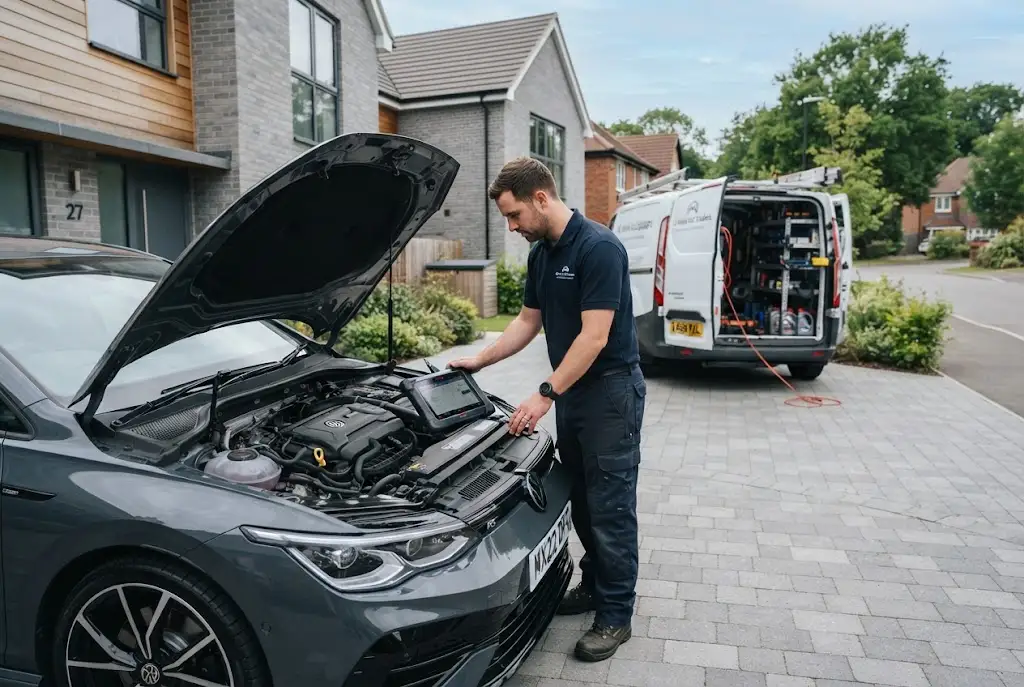
This is closely connected with the rise of mobile auto service. Mobile mechanics and other on-demand providers reflect a broader expectation that vehicle care should fit around the owner’s schedule rather than requiring unnecessary disruption.
What Modern Auto Care Services Include
Auto care services cover a wide range of activities designed to maintain a vehicle’s appearance, condition and usability. The exact combination depends on the driver’s needs and the age and type of vehicle.
Routine vehicle care may include exterior washing, interior cleaning, paint protection, wheel and tyre care, glass cleaning and more detailed cosmetic treatments. Mechanical maintenance and inspections are equally important, although they serve a different purpose.
For drivers, the most effective approach is to see these activities as complementary. A clean vehicle can improve presentation and comfort, while scheduled maintenance helps address mechanical and safety-related requirements.
Car Detailing Is Becoming Part of Vehicle Care
Car detailing goes beyond a quick wash. It focuses on thoroughly cleaning and improving the condition of both the exterior and interior of a vehicle.
Depending on the service, detailing can involve careful cleaning of paintwork, wheels, glass, seats, carpets, dashboards and other surfaces. Some premium treatments may also focus on protecting surfaces against everyday contamination and wear.
For many owners, detailing has become more than an occasional luxury. It can form part of a broader vehicle care routine, particularly for people who take pride in their cars or want to maintain a vehicle’s presentation over a longer ownership period.
Premium Cleaning and Lifestyle Motoring
The growth of premium cleaning services reflects a wider change in lifestyle motoring. For some drivers, a vehicle is an important part of their personal image and daily experience. As a result, cleanliness, presentation and interior comfort can influence how they feel about their car.
Premium cleaning can be particularly attractive for vehicles that receive heavy daily use. Regular attention to high-contact areas and interior surfaces can help maintain a more pleasant environment.
However, premium does not necessarily mean that every available treatment is necessary. Drivers should select services based on the vehicle’s condition, usage and their own priorities rather than paying for treatments that provide little practical benefit.
Smart Maintenance Is Becoming More Important
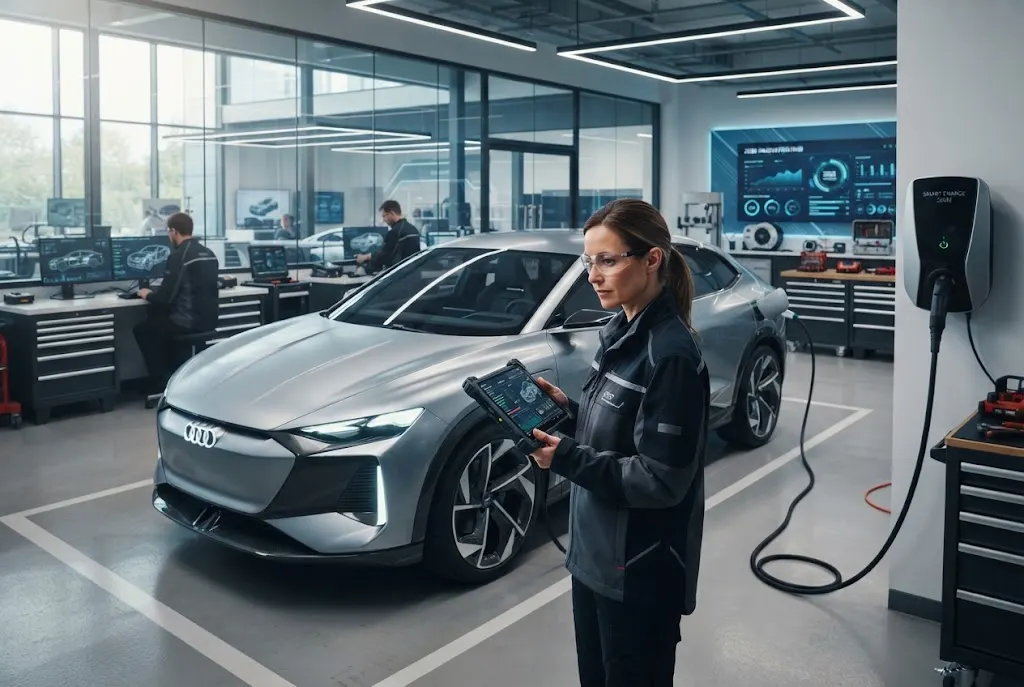
Modern vehicle care increasingly involves information as well as physical maintenance. Drivers can use service records, dashboard alerts, diagnostic information and digital reminders to keep track of their vehicles.
Smart maintenance means paying attention to the condition of a vehicle rather than waiting until a major problem appears. It can include monitoring warning lights, checking tyre condition and pressures, following appropriate servicing schedules and responding to unusual noises or changes in driving behaviour.
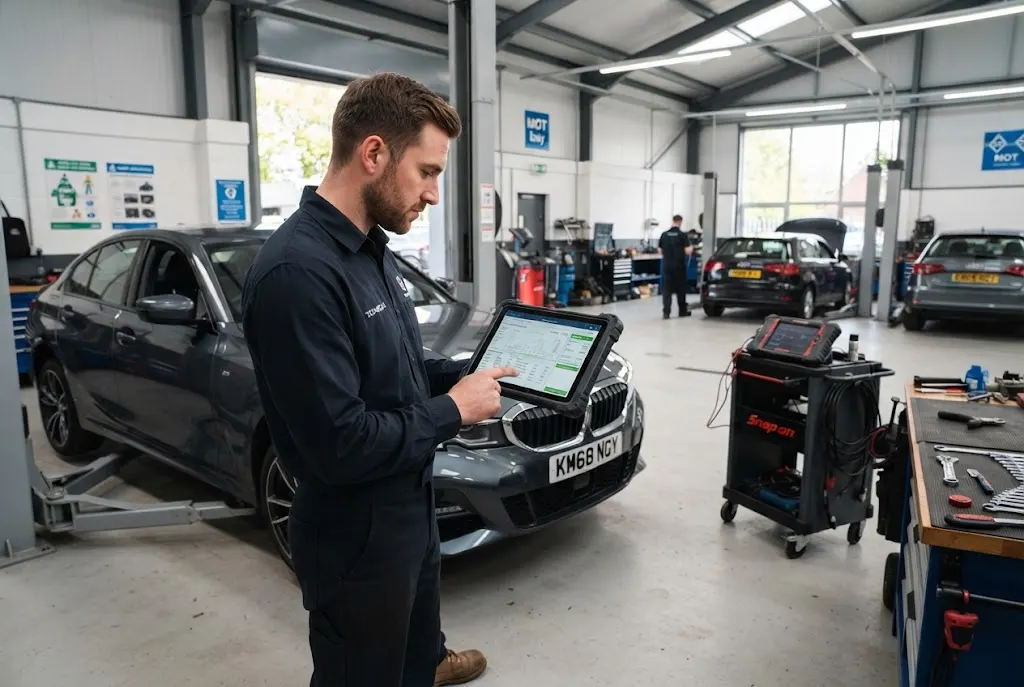
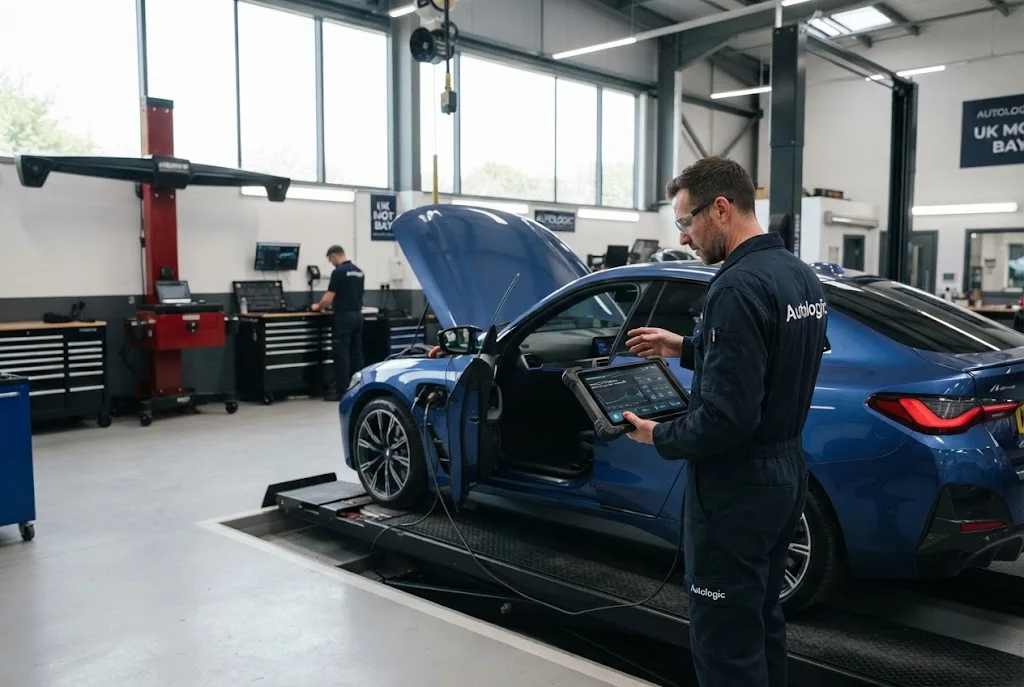
This approach complements advanced auto inspection services, where digital diagnostics and other inspection technology can provide additional information about vehicle health.
The objective is straightforward: identify potential issues early, keep essential maintenance organised and make vehicle care part of a consistent ownership routine.
Digital Services Are Simplifying Vehicle Care
Digital services are changing how drivers arrange and manage automotive care. Online booking systems can make it easier to schedule detailing, maintenance or inspections without relying entirely on phone calls or visits to a business.
Digital records can also help owners keep track of previous work. This can become particularly valuable when a vehicle has changed hands or when several different service providers have worked on it.
Some modern automotive platforms also combine appointment management, service reminders and vehicle information in one place. As connected vehicle technology develops, these systems may become increasingly integrated with the vehicle itself.
Eco-Friendly Products Are Influencing Car Care
Environmental awareness is also influencing vehicle care habits. Some consumers are becoming more interested in products and cleaning methods that reduce unnecessary environmental impact.
Eco-friendly vehicle care can involve choosing products with appropriate environmental credentials, reducing excessive water use where practical and avoiding unnecessary waste. The right approach depends on the service and the products being used.
Drivers should nevertheless avoid assuming that a product is environmentally preferable simply because it is marketed as “green”. Looking at how a product is used, what it contains and how waste is managed provides a more useful basis for comparison.
How Often Should You Use Auto Care Services?
There is no single schedule that works for every vehicle. Cleaning and detailing frequency depends on factors such as mileage, weather, parking conditions, driving environment and personal preferences.
A vehicle that spends most of its time outside may need more frequent exterior attention than one kept in a garage. Similarly, cars used for long commutes or family journeys may benefit from more regular interior cleaning.
Mechanical maintenance should be treated separately. Drivers should follow the appropriate manufacturer’s servicing guidance and address safety concerns promptly rather than relying on cosmetic care as an indicator of mechanical condition.
Vehicle Care Can Support Long-Term Ownership
Looking after a car consistently can make ownership more predictable. Regular cleaning helps prevent accumulated dirt and contamination from becoming a neglected problem, while appropriate maintenance helps owners stay aware of the vehicle’s mechanical condition.
Long-term care can also make it easier to identify changes in a vehicle. When drivers regularly inspect and clean their cars, unusual wear, damaged trim, warning lights or other changes may become more noticeable.
That awareness can complement financial planning. Drivers considering the broader car service cost of ownership may find it easier to budget when routine maintenance and vehicle care are planned rather than handled only after problems arise.
Modern Car Care and Consumer Convenience
Convenience is likely to remain one of the strongest influences on automotive services. Drivers increasingly expect businesses to provide straightforward booking, clear communication and flexible service options.
Mobile detailing, home servicing and digital appointment systems can all reduce the friction involved in maintaining a vehicle. These services are particularly appealing to busy owners who want professional care without spending unnecessary time travelling to and waiting at a workshop.
However, convenience should still be balanced with quality. A professional service should use appropriate equipment, understand the vehicle and clearly explain what is included in the work.
How Auto Care Habits Are Evolving
The modern approach to vehicle care is becoming more proactive and personalised. Drivers are no longer limited to occasional washing and scheduled garage visits. They can combine regular cleaning, detailing, maintenance, inspections and digital tools according to how they actually use their vehicles.
This reflects wider automotive trends, including connected vehicles, digital garages, smarter diagnostics and increasingly flexible service models.
Electric and connected cars may accelerate this change further. Although many traditional care practices remain relevant, newer vehicles can introduce different maintenance requirements and greater reliance on electronic systems.
A Practical Approach to Better Vehicle Care
A sensible vehicle care routine does not need to be complicated. Start with the basics: keep the exterior and interior reasonably clean, monitor tyres and fluids as appropriate, follow the manufacturer’s maintenance guidance and investigate warning signs rather than ignoring them.
From there, drivers can add services according to their needs. Regular detailing may suit an owner who prioritises appearance, while mobile servicing can help someone who values convenience. Digital records and smart maintenance reminders can make the overall routine easier to manage.
The key is consistency. Small, sensible actions performed regularly are generally more useful than allowing maintenance and cleaning to accumulate until the vehicle requires significant attention.
The Future of Vehicle Care
Auto care is moving towards a more integrated ownership experience. Cleaning, servicing, inspections and digital tools are increasingly connected by a common goal: keeping vehicles safe, functional, comfortable and presentable throughout their useful life.
Technology will continue to influence this process, but traditional vehicle care will not disappear. Professional knowledge, appropriate cleaning techniques and regular mechanical maintenance will remain important regardless of how sophisticated cars become.
For today’s drivers, the best strategy is therefore not to chase every new automotive service. Instead, build a practical care routine around the vehicle’s age, condition, usage and ownership goals.
Ultimately, modern auto care services are about making vehicle ownership easier and more sustainable over time. By combining smart maintenance, appropriate detailing, premium cleaning when needed, digital services and responsible products, drivers can take a more proactive approach to caring for the vehicles they depend on every day.