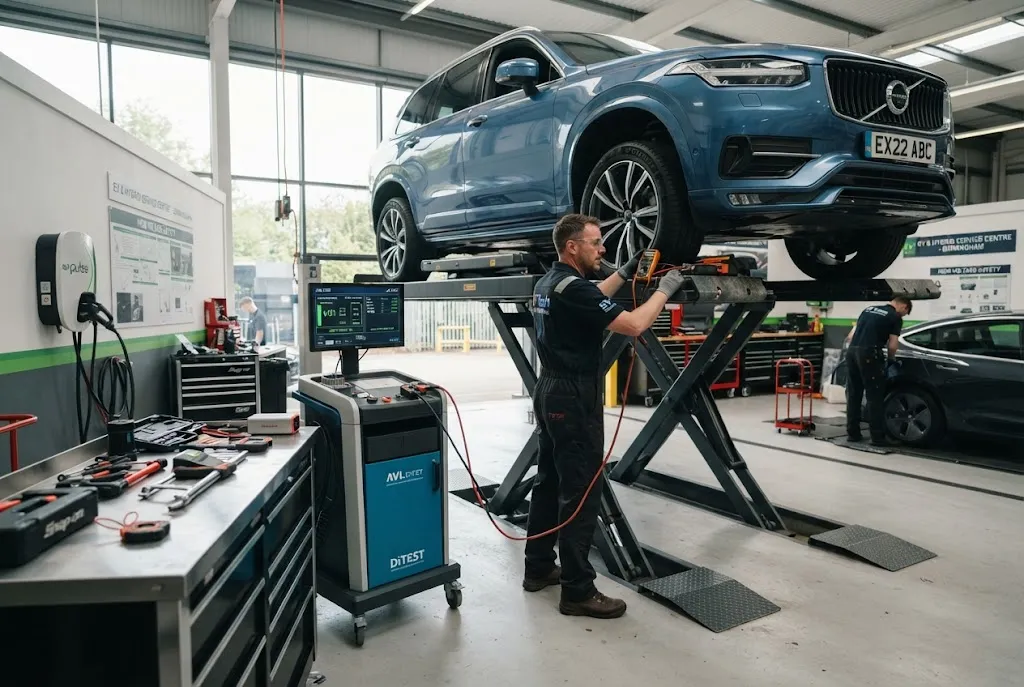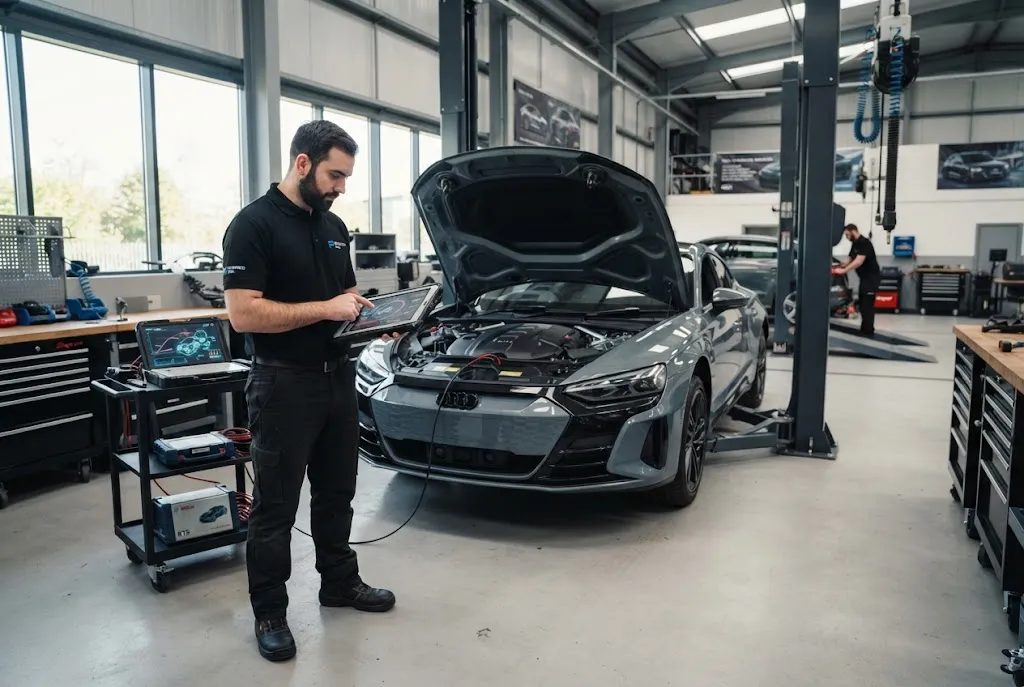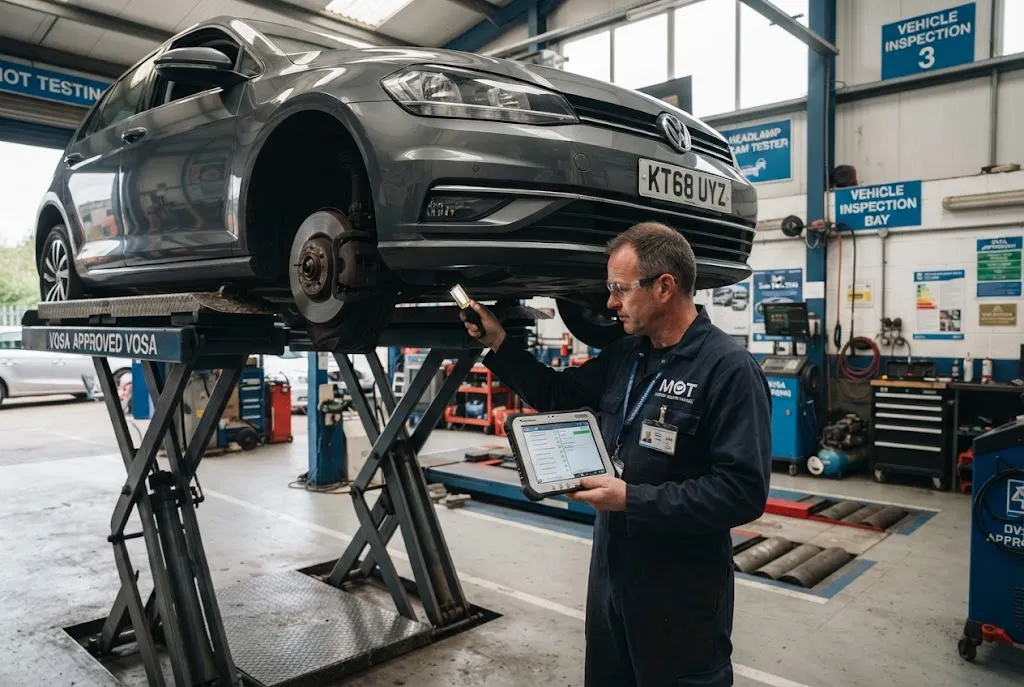


Tyre services are becoming more technology-driven as modern vehicles gain smarter safety systems, connected features and increasingly sophisticated maintenance requirements. For UK drivers, tyre fitting is no longer simply about removing an old tyre and installing a replacement. Digital diagnostics, tyre monitoring, connected vehicles and maintenance technology are gradually changing how drivers identify problems, plan servicing and manage tyre safety.
This shift matters because tyres remain one of the most important points of contact between a vehicle and the road. Drivers need tyres that are correctly fitted, properly inflated and free from dangerous defects. At the same time, newer vehicles can provide more information about tyre pressure and vehicle condition, giving drivers and technicians additional tools for preventative maintenance.
As automotive technology continues to develop, understanding these changes can help motorists make better decisions about tyre fitting, inspections and ongoing vehicle maintenance.
Why Tyre Services Are Becoming More Technology-Driven
Traditional tyre services have always relied on practical inspections, accurate fitting and regular maintenance. However, modern vehicles increasingly combine mechanical components with electronic monitoring systems. This means tyre-related work can now involve both physical inspection and digital information.
For example, tyre pressure monitoring systems can alert drivers when pressure falls below an appropriate level. While such systems do not replace physical checks, they can provide an additional layer of awareness between service visits.
Technology is also helping workshops work more efficiently. Digital inspection records, vehicle diagnostics and automated equipment can support technicians when identifying potential problems. In turn, this can make routine tyre maintenance more systematic and easier to document.
The broader trend is towards preventative maintenance rather than waiting for a visible failure. Drivers can use information from their vehicles alongside professional inspections to identify issues earlier.
Smart Tyres and the Next Generation of Tyre Technology
Smart tyres are one of the most interesting developments within the wider automotive technology sector. The term generally refers to tyres that can work with sensors or other technologies to provide additional information about their condition or operating environment.
Depending on the system, tyre-related data can potentially include information about pressure, temperature, load or other operating characteristics. The objective is to provide useful information that can support safer and more efficient vehicle operation.
For drivers, the appeal is straightforward: instead of relying entirely on periodic visual checks, connected technology can provide more frequent information. For workshops and fleet operators, data can also support preventative maintenance decisions.
However, smart technology should complement rather than replace professional inspections. A sensor can provide information, but it cannot necessarily identify every physical defect, unusual wear pattern or damage affecting a tyre.
How Tyre Monitoring Supports Tyre Safety
Tyre monitoring is becoming increasingly important as vehicles become more connected. Drivers may receive dashboard warnings when a monitoring system detects a pressure-related issue. This can help bring attention to a problem that might otherwise go unnoticed.
Correct tyre pressure is particularly important because incorrect inflation can affect handling, braking and tyre wear. UK Highway Code guidance states that car tyres should be correctly inflated to the vehicle manufacturer’s specification, while tyre pressures should be checked weekly when the tyres are cold.
Monitoring technology therefore has a useful role in modern tyre safety. It can provide an early warning, but drivers should still check tyres regularly and respond appropriately to warning messages.
Physical condition remains equally important. Cuts, bulges, uneven wear and other defects can indicate that a tyre requires professional attention. A dashboard warning cannot be treated as a complete substitute for checking the tyre itself.
Tyre Fitting Is Becoming More Precise
Tyre fitting remains a practical service, but modern workshop equipment is making the process increasingly precise. Digital balancing machines, improved alignment equipment and diagnostic tools can help technicians assess wheels and tyres more accurately.
Correct fitting involves more than simply mounting a tyre onto a wheel. The replacement tyre needs to be suitable for the vehicle, correctly inflated and installed according to the relevant specifications. Wheel balance and alignment can also influence tyre wear and driving behaviour.
Modern equipment can help technicians identify problems that may not be immediately obvious to a driver. Uneven wear, for example, can sometimes point towards alignment, suspension or braking issues rather than simply indicating that the tyre itself is old.
This makes professional tyre services increasingly valuable as vehicles become more technically complex. A good tyre inspection can reveal information about the wider condition of the vehicle.
What UK Drivers Need to Know About Tyre Safety
Technology may be advancing quickly, but the fundamentals of tyre safety remain essential. UK drivers are responsible for ensuring that their vehicles are safe and roadworthy, and tyres must meet applicable legal requirements.
For cars, light vans and light trailers in Great Britain, the legal minimum tread depth is 1.6mm across the central three-quarters of the tread and around the entire circumference. Tyres must also be free from relevant cuts and defects.
Drivers should therefore avoid relying solely on technology. A tyre pressure warning, for example, may indicate a problem, but a tyre can also have physical damage without triggering a digital warning.
Regular visual inspections, correct inflation, appropriate tread depth and professional checks remain central to responsible vehicle ownership.
Connected Vehicles Are Changing Maintenance
The growth of connected vehicles is creating a wider change in how maintenance information is collected and used. Modern cars can generate and communicate significantly more data than older vehicles, creating opportunities for more proactive servicing.
In the future, connected systems could make it easier for drivers to receive maintenance reminders based on vehicle usage rather than relying only on fixed service intervals. Tyre-related information could become part of a broader vehicle health picture.
For example, a vehicle may identify a gradual pressure change or provide information that encourages the driver to arrange an inspection. Fleet operators could potentially use similar information to manage several vehicles more efficiently.
However, connected data also needs to be interpreted correctly. A warning does not automatically explain the underlying cause of a problem. Professional technicians still play an important role in diagnosis, inspection and repair.
Maintenance Technology and Preventative Vehicle Care
Maintenance technology is increasingly focused on preventing problems rather than responding to failures after they occur. This approach can be particularly useful for tyres because wear and pressure changes can develop gradually.
Digital service records can help motorists keep track of previous work, while workshop diagnostic equipment can provide technicians with additional information. Fleet businesses can benefit from maintenance systems that organise inspections, defects and servicing requirements across multiple vehicles.
This trend also connects tyre care with the wider cost of vehicle ownership. A driver who identifies abnormal wear early may be able to investigate an underlying alignment or suspension issue before it causes further tyre damage.
Preventative maintenance does not eliminate every unexpected repair, but it can make vehicle care more organised and give drivers better visibility of their maintenance needs.
How Tyre Technology Could Affect UK Drivers
For everyday motorists, the biggest change may be convenience. Instead of discovering a tyre issue only during a manual inspection or after handling has changed, drivers may increasingly receive useful information through vehicle systems.
There may also be benefits for drivers who use vehicles heavily. People with long commutes, business vehicles or high annual mileage can gain from maintenance systems that make inspections and servicing easier to manage.
At the same time, technology may increase the importance of choosing competent tyre professionals. Modern vehicles can require knowledge of both traditional mechanical procedures and electronic systems. Technicians need to understand how tyre-related components interact with vehicle technology.
Drivers can also expect tyre buying itself to become more informed. UK tyre labels already provide information such as fuel efficiency, wet grip and external noise classification for applicable tyres supplied to the market.
What Drivers Should Look For When Choosing Tyre Services
Technology is useful, but drivers should still focus on the fundamentals when selecting a tyre service provider.
- Choose a provider that can identify the correct tyre specification for the vehicle.
- Ask for tyres that are appropriate for the vehicle’s requirements and intended use.
- Make sure tyre pressure is set according to the manufacturer’s specification.
- Ask about balancing and alignment when uneven wear is present.
- Use professional inspections when a tyre shows visible damage or unusual wear.
- Pay attention to dashboard tyre warnings rather than ignoring them.
- Keep a record of tyre replacements and other relevant maintenance work.
For broader ownership planning, drivers can also consider how maintenance expenses fit into their overall vehicle budget. Understanding repair finance and maintenance costs can be useful when an unexpected tyre or vehicle repair creates a significant expense.
The Future of Tyre Services in the UK
The future of tyre services is likely to combine physical expertise with increasingly sophisticated digital tools. Smart tyres, tyre monitoring and connected vehicle systems can give drivers and technicians more information, while improved workshop equipment can make fitting, balancing and diagnosis more precise.
Yet the basic principles of safe tyre maintenance are unlikely to disappear. Drivers will still need to check condition, maintain correct pressures and replace tyres when they are worn or damaged.
As vehicle ownership becomes increasingly digital, tyre care is becoming part of a broader connected maintenance ecosystem. The most effective approach will not be technology alone, but technology combined with qualified inspection and sensible driver behaviour.
Drivers researching their next vehicle can also explore wider car finance trends, particularly as technology, ownership costs and vehicle specifications continue to evolve. For those considering the used market, our guide to used cars and changing market trends provides another useful perspective on modern vehicle ownership.
Ultimately, the growth of tyre technology should make vehicle maintenance more informed rather than less hands-on. Digital monitoring can provide valuable warnings, while professional tyre services remain essential for checking the physical condition of the tyres and ensuring that vehicles remain safe and roadworthy.
Final Thoughts
Tyre technology is moving beyond traditional replacement and repair. Smart tyres, digital monitoring, connected vehicles and advanced maintenance technology are changing how drivers understand tyre condition and vehicle maintenance.
For UK motorists, the best strategy is to combine these developments with established safety practices. Technology can provide valuable information, but regular checks and professional tyre fitting remain fundamental. As connected vehicle technology develops further, tyre services are likely to become an increasingly integrated part of the wider digital automotive experience.